 Orders placed between June 24 and July 5 may experience slight processing delays due to inventory reconciliation and warehouse maintenance.



Muscle growth and recovery are essential goals for many people who train regularly. With so much information online, two terms that are increasingly popular in fitness and muscle growth are SARMs and peptides. These compounds are widely discussed in the fitness world, but they work in different ways and have varying levels of effect. If you are an avid fitness enthusiast aiming to build muscle or enhance recovery, this blog is for you. In this post, we will explain what these substances are, how they work, and their potential drawbacks.
What Are SARMs?
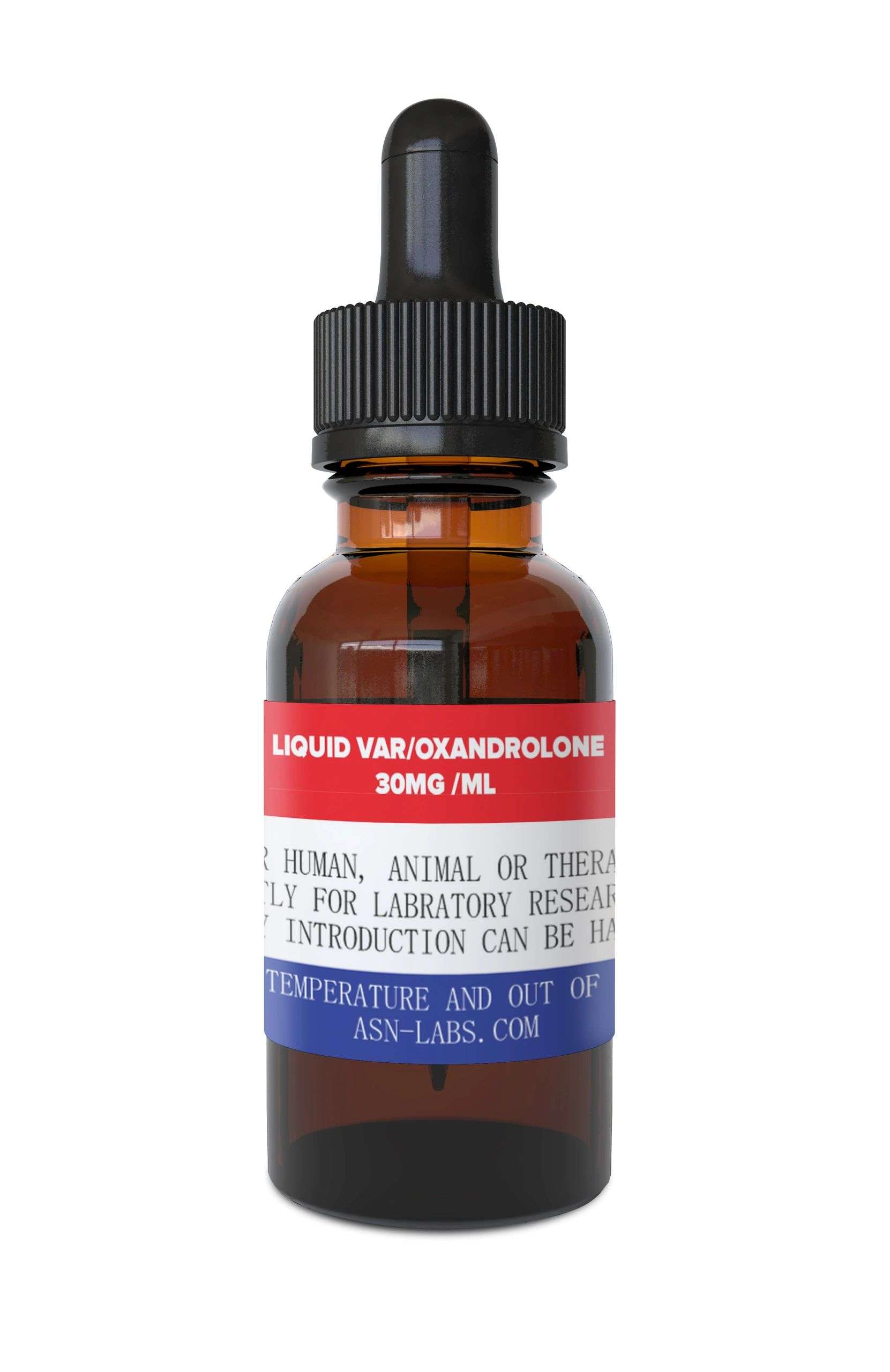
SARMs, or Selective Androgen Receptor Modulators, are synthetic compounds designed to target androgen receptors in the body. These receptors are responsible for processes related to muscle growth, bone strength, and physical performance. SARMs were originally developed for medical use, primarily to help with muscle-wasting and bone-loss conditions.
How SARMs Work
SARMs bind to androgen receptors in muscle and bone tissue. Once they bind, they trigger signals that tell the body to build more muscle protein, increase strength, and support bone growth. This targeted action is the main reason they became popular in bodybuilding circles.
However, because SARMs still influence hormone pathways, they can disrupt the body’s natural hormone balance. Their overall effect comes from boosting protein synthesis, supporting faster strength development, and helping the body create stronger, denser muscle and bone tissue.
What Are Peptides?
Peptides are short chains of amino acids that act like tiny messengers inside the body. They help regulate many natural processes, including tissue healing, hormone release, inflammation control, and immune responses. In the fitness world, certain peptides have gained attention because they may support better recovery, improved muscle and joint repair, and more efficient training results.
How Peptides Work
Peptides work very differently from SARMs. They do not bind to androgen receptors. Instead, many peptides signal the body to naturally release more growth hormone, a key hormone involved in muscle repair, recovery, and overall athletic performance.
By boosting the body’s own healing processes, peptides can support faster recovery between workouts, help reduce inflammation, and promote the repair of cells, tissues, and joints stressed during training. Their action is more regulatory and restorative, helping the body rebuild itself more efficiently rather than forcing direct muscle growth.
Evidence and Scientific Support
- Research on SARMs is still limited, and most findings come from animal studies or small clinical trials.
- Studies on peptides vary widely, with some being well-researched for certain medical conditions and others remaining experimental.
- Neither SARMs nor most performance-focused peptides are approved for typical bodybuilding use.
- Many SARMs are banned in competitive sports and are not approved for human use by major health authorities.
- Peptides may have medical approval for specific conditions but remain unregulated when sold for performance or cosmetic purposes.
Which Works Better for Muscle Growth and Recovery?
There isn’t a single clear winner because both SARMs and peptides include many different compounds, each working in its own way. Based on current information, SARMs tend to produce faster, stronger muscle-building signals, but they also carry higher risks to hormones and organs. Their direct activation of androgen receptors often leads to quick strength and size increases, which is why some athletes use them during short bulking phases.
Peptides work more indirectly. Instead of acting on androgen receptors, they encourage the body to release natural growth hormone, which supports tissue repair, recovery, and steady performance improvements. The results are usually slower, but many people prefer peptides for long-term use because the approach feels more natural and may come with fewer serious side effects. This makes them a popular option for athletes who want sustainable recovery rather than rapid, intense gains.
SARMs vs. Peptides – What Should You Choose?
The better choice depends on your goals, your risk tolerance, and the type of support you have. SARMs can deliver fast muscle and strength gains, but they also carry a higher risk of hormonal disruption, liver strain, and changes in cholesterol levels. Peptides take a more supportive approach, helping the body heal, recover, and regulate itself while generally posing fewer severe risks.
Conclusion
Suppose you want clear, science-based information and access to high-quality peptide products. In that case, ASN-LABS offers trusted, lab-tested options designed for people who want to support recovery, performance, and overall wellness with confidence. It’s important to note that both SARMS and Peptides are widely discussed, but long-term research remains limited. Understanding how they work and the potential risks they pose is essential before adding anything to your routine.