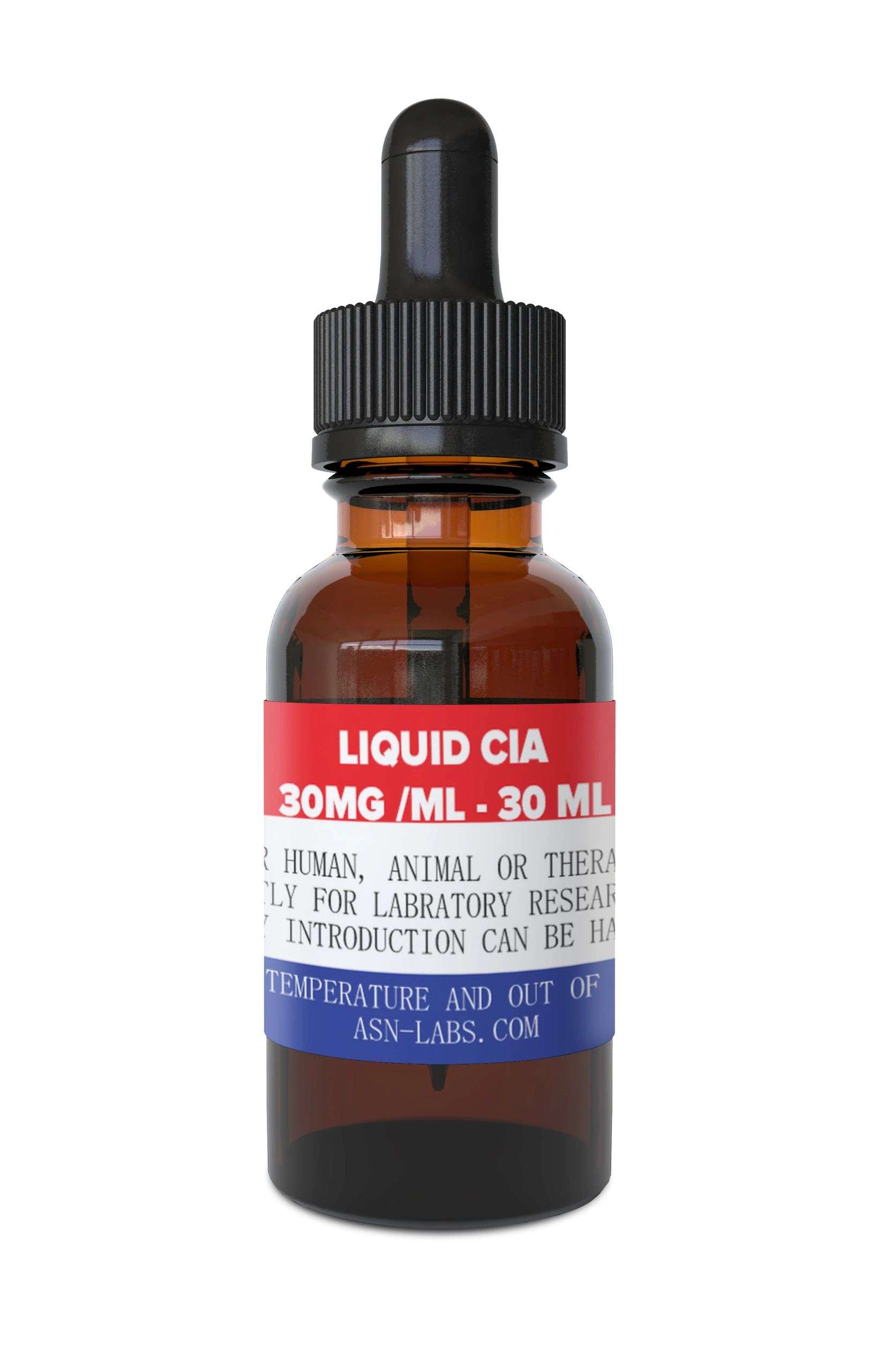
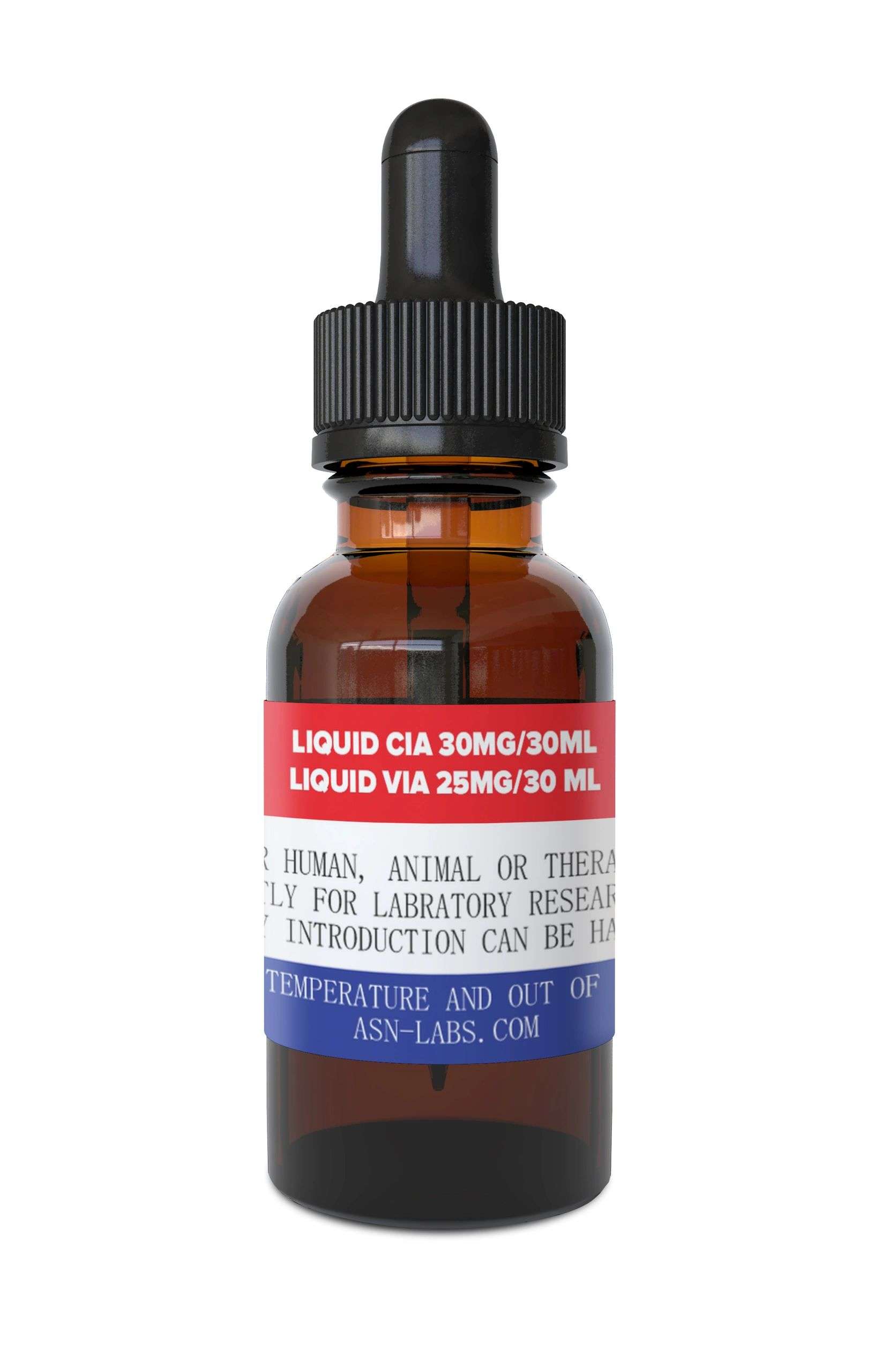
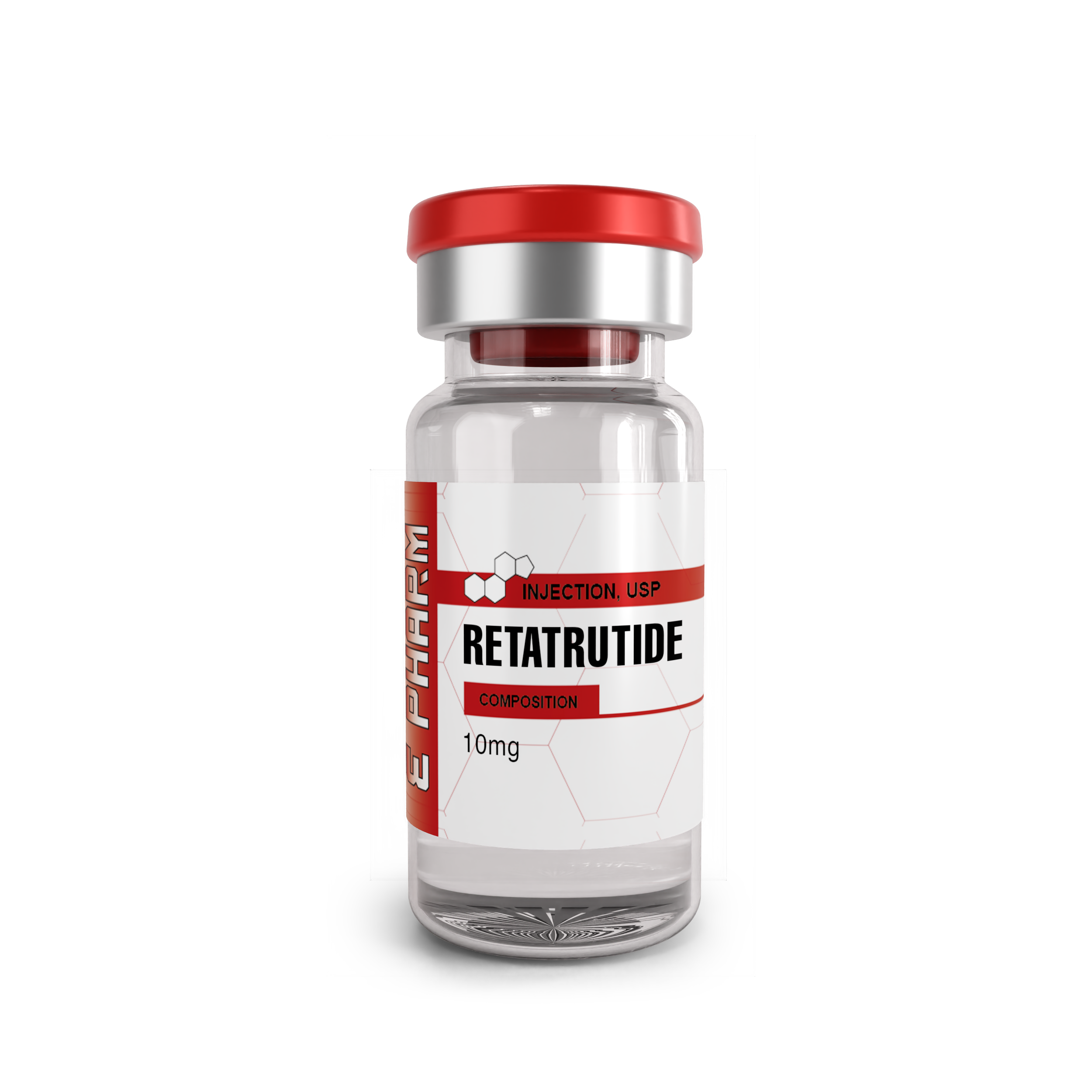
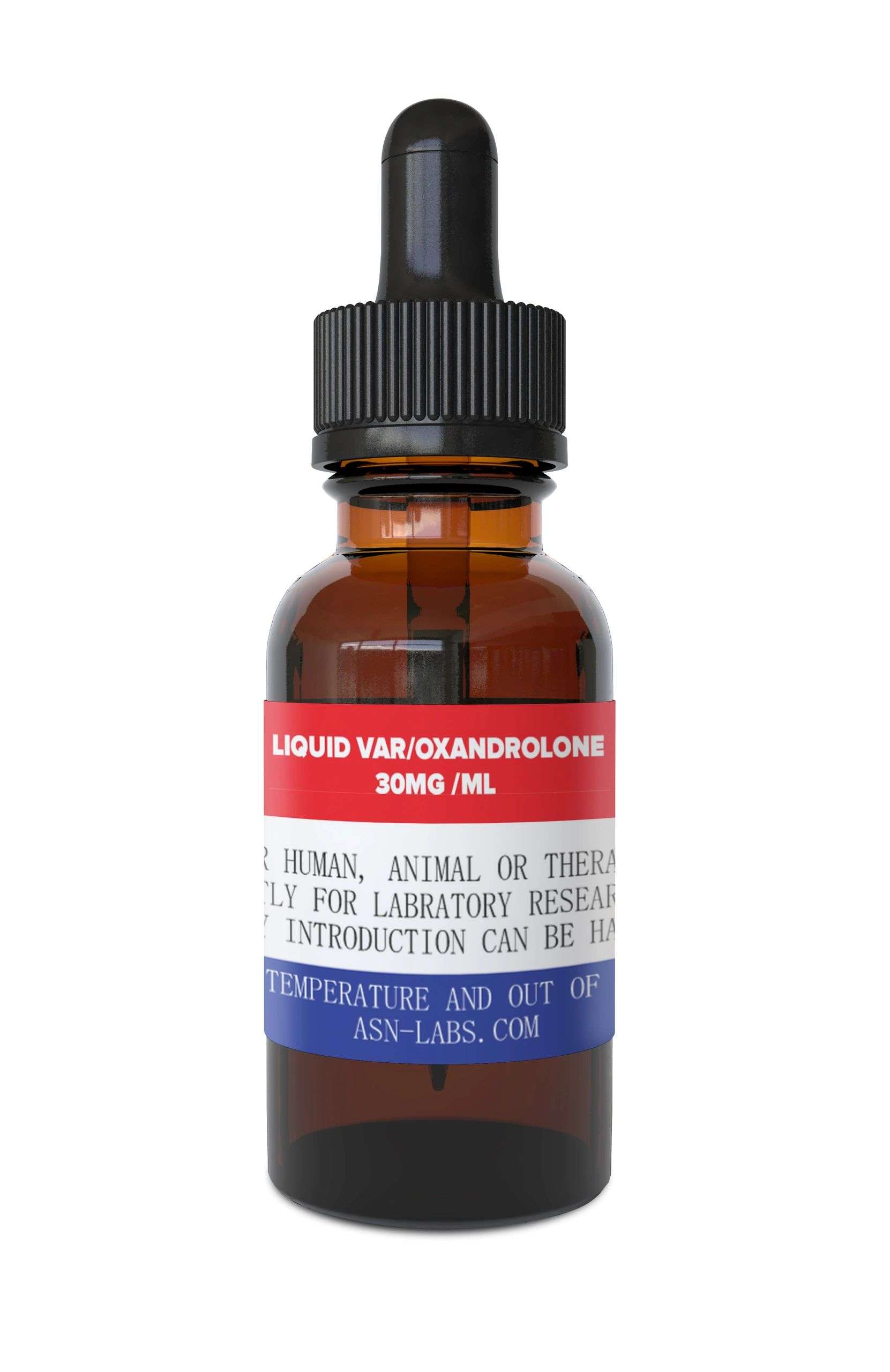
 Orders placed between June 24 and July 5 may experience slight processing delays due to inventory reconciliation and warehouse maintenance.



The gap between a serious research buy and a bad one usually comes down to one thing – supplier quality. If you are looking for a lab tested sarms supplier, the real question is not who has the loudest claims. It is who can back those claims with testing transparency, manufacturing discipline, and consistent order fulfillment every time.
This category attracts attention fast, and for good reason. SARMs buyers tend to know exactly what they want from a supplier: clean products, reliable purity, fast shipping, and no guesswork. That means vague promises, recycled product descriptions, and thin quality language are not enough. A supplier either operates with precision or it does not.
What a lab tested SARMs supplier should actually prove
A credible supplier does more than put the words lab tested on a product page. The standard is evidence, not branding. That starts with third-party testing tied to the specific compounds being sold, with purity claims that make sense for the product and batch consistency that supports repeat ordering.
Testing matters because this market has very little room for sloppiness. A mislabeled compound, weak concentration, or contamination issue does not just create a disappointing purchase. It destroys confidence in the entire sourcing process. Buyers who understand performance research are not looking for hype. They are looking for control.
A serious supplier should also communicate how products are handled before they ever reach the customer. USA manufacturing claims, GMP-oriented production standards, and structured quality control all signal a business built for consistency. None of these factors alone guarantees excellence, but together they create a much stronger sourcing profile than price-first vendors operating without visible standards.
Why testing transparency separates premium suppliers from cheap sellers
Low-cost sellers often compete on volume and surface-level marketing. Premium suppliers compete on trust. That difference becomes obvious when you compare how each one talks about quality.
A weak seller typically leans on broad statements such as high purity, top quality, or premium grade without much support behind them. A stronger supplier frames quality with specifics: third-party testing, research-use positioning, manufacturing controls, and a clear commitment to consistency. That language matters because experienced buyers know purity is not a slogan. It is the baseline.
There is also a practical trade-off here. Suppliers investing in testing, better manufacturing workflows, and dependable shipping are rarely the cheapest option. That is not a flaw. It is usually the cost of tighter standards. If your priority is getting the lowest possible price, you will find it. If your priority is reducing uncertainty, quality-backed sourcing is the smarter move.
Purity claims need context
Purity percentages can be useful, but only when they are presented responsibly. Buyers should be cautious with suppliers that throw out impressive numbers without explaining their testing process or quality controls. Precision is only credible when it comes with a system behind it.
The best suppliers understand that informed buyers are skeptical buyers. They know trust is earned by showing discipline across the entire operation, from sourcing and manufacturing to packaging and fulfillment.
The role of USA manufacturing and professional fulfillment
For many U.S. buyers, domestic manufacturing is more than a convenience claim. It is a quality signal. A supplier operating with USA-based manufacturing and professional logistics usually has better control over timelines, handling standards, and customer experience than vendors relying on opaque overseas channels.
Fast nationwide shipping matters in this category because buyers are not looking for a dragged-out ordering process. They want a clean transaction, prompt processing, and a predictable delivery window. A professional ecommerce operation should feel organized from start to finish. Product selection, checkout, order confirmation, and shipping communication all reflect how seriously a supplier runs its business.
This is one of the easiest ways to spot the difference between a polished operation and a disposable storefront. Reliable suppliers build confidence at every step. Unreliable ones create friction early.
What experienced buyers look for in a lab tested SARMs supplier
Experienced customers usually evaluate suppliers through a narrower lens than new shoppers. They are less impressed by flashy branding and more interested in consistency over time. A trustworthy lab tested sarms supplier earns repeat business by performing well across the details that matter most.
Product quality sits at the center, but it is not the only factor. Buyers also watch for concentration accuracy, stack availability, inventory consistency, and whether the supplier clearly understands the performance-focused research market. A supplier serving this audience well should offer more than random listings. The catalog should make sense for common research goals such as lean mass, recomposition, cutting support, and advanced stack planning.
That said, more products does not always mean a better supplier. Depth without quality control can create more risk, not less. A tighter catalog backed by testing and consistency is often the better sign.
Watch how the supplier positions the products
Professional suppliers in this space balance strong merchandising with clear compliance language. That matters. It signals a company that understands the category and presents products with confidence while maintaining a defined research-use framework.
For buyers, this creates a more credible purchasing environment. It suggests the brand is not improvising its way through a high-demand market. It is operating with structure, which tends to show up in product consistency and customer experience.
Red flags that should lower your confidence
Not every issue is obvious at first glance. Some of the biggest warning signs show up in how little a supplier says when quality should be front and center.
If a site avoids discussing third-party testing, manufacturing standards, or purity practices, that is a problem. If product pages are thin, generic, or copied across multiple compounds, that is another. If the business appears built around urgency tactics without matching credibility signals, buyers should slow down.
Pricing can also be a clue. Extreme discounts may look attractive, but they often raise a bigger question: what had to be cut to get there? Testing, sourcing standards, packaging discipline, and customer support all cost money. In this market, unusually cheap inventory can be a sign that corners were cut somewhere behind the scenes.
Customer experience is another revealing detail. Delayed processing, poor communication, or inconsistent stock levels often point to deeper operational weakness. Precision is not just about what is inside the bottle. It is about whether the supplier runs the entire business with control.
Why serious buyers pay for consistency
In a category built around research performance, consistency has value. Buyers who reorder are not just purchasing compounds. They are purchasing confidence in the next order matching the last one.
That is why premium positioning works when it is supported by real standards. Testing, USA manufacturing, professional packaging, and dependable fulfillment all contribute to a better sourcing experience. The result is less uncertainty and a more credible path for buyers who do not want to gamble with low-tier suppliers.
This is also where brands like ASN-LABS stand out. The combination of lab-tested products, U.S. manufacturing standards, and a performance-driven catalog speaks directly to buyers who expect more than generic ecommerce. It fits the needs of customers who care about purity, precision, and fast delivery without compromising on professional presentation.
Choosing the right supplier comes down to standards
A supplier does not become trustworthy because it uses the right buzzwords. It becomes trustworthy by showing a pattern of discipline. Testing transparency, quality-focused manufacturing, clear research-use positioning, and reliable shipping are not extras. They are the foundation.
For some buyers, price will still be the deciding factor. That is their choice. But for customers who value consistency, measurable quality signals, and a supplier built for repeat confidence, the better move is usually the one with stronger standards behind it.
When you are evaluating your next source, look past the sales language and focus on the operation. The right supplier should make confidence feel earned, not assumed.