 Orders placed between June 24 and July 5 may experience slight processing delays due to inventory reconciliation and warehouse maintenance.



Mass-gain marketing moves fast. A new bottle, a bigger claim, a more aggressive bundle – and suddenly every product page promises a shortcut to size. The reality is that the best SARMs stack for mass is not defined by the number of compounds in a cart. It is defined by a defensible research rationale, verified product identity, controlled variables, and a clear understanding of risk.
SARMs are not FDA-approved for human use, and products sold for research use are not intended for human consumption. That distinction matters. Anyone evaluating these compounds should reject casual advice, miracle claims, and unverified blends in favor of transparent documentation and disciplined decision-making.
Is There a Best SARMs Stack for Mass?
There is no universal best SARMs stack for mass because “mass” is not one outcome. Scale weight can rise through muscle tissue, fat mass, glycogen storage, water retention, or a combination of all four. A research objective focused on anabolic signaling is different from one examining body-composition changes, recovery markers, or receptor activity.
Stacking also creates a major trade-off: more compounds can mean more variables, more potential interactions, and less clarity around what produced a particular result. If an unexpected effect appears, a multi-compound setup makes attribution harder. That is a poor foundation for serious research.
The strongest approach is not to chase the longest ingredient list. It is to ask whether every compound has a specific, evidence-based reason to be included, whether the interaction is understood, and whether the supplier can verify exactly what is in each container. If those questions do not have clear answers, the stack is marketing, not precision.
Mass Research Starts With a Defined Outcome
A useful evaluation begins before any product selection. Define the outcome being examined and the variables that could distort it. Body weight alone is a weak measure. Meaningful mass-related research requires a broader view of body composition, training status, nutrition, recovery, biomarker monitoring, and time.
This matters because compounds in the SARM category are often marketed with broad phrases such as lean mass support, strength potential, or anabolic research value. Those phrases do not establish that every compound is appropriate for every goal. Selective receptor activity is complex, individual responses vary, and preclinical or limited data should never be treated as a guaranteed outcome.
A credible mass-focused research framework should be narrow enough to answer a real question. It should also account for confounders. Major changes in food intake, training volume, sleep quality, stimulant use, or other compounds can make a result difficult to interpret. More variables do not create more certainty.
Why Bigger Stacks Are Not Automatically Better
The appeal of a stack is obvious: combine several mechanisms and pursue a bigger outcome. But this logic ignores the cost of complexity. A larger stack may increase the difficulty of assessing tolerability, identifying an adverse response, or determining whether a product is delivering the claimed material.
There are also biological concerns. SARMs and other performance-oriented research compounds may affect hormone signaling, lipids, liver markers, mood, and cardiovascular risk factors. Combining compounds can compound uncertainty. Product labels and social media testimonials cannot replace qualified medical guidance, independent research, or appropriate health monitoring.
For researchers, simplicity has value. A tighter design preserves signal quality. For buyers, that same principle is practical: avoid being persuaded by bundles that disclose little beyond bold branding and a long list of ingredients. Precision beats noise.
What to Check Before Evaluating Any SARM Stack
Lot-Specific Testing and Identity Verification
The label is not proof. A serious supplier should make product identity and purity central to the buying experience. Look for third-party testing, lot-specific documentation, transparent labeling, and batch information that can be matched to the product in hand.
A certificate should be meaningful, not decorative. It should identify the analyte tested, report the result in a usable format, and connect to a real lot or batch. Vague claims of pharmaceutical grade or maximum strength are not substitutes for analytical transparency.
Manufacturing Standards and Handling
Research quality starts long before shipping. Supplier discipline includes controlled manufacturing practices, appropriate storage, consistent packaging, and clear handling procedures. The goal is repeatability. If the same labeled product varies dramatically from batch to batch, research outcomes become unreliable.
Made in the USA claims, GMP-oriented processes, and fast fulfillment can be positive signals, but they should sit alongside verifiable testing rather than replace it. Premium positioning only carries weight when the documentation supports it.
Clear Research-Use Positioning
Professional suppliers do not blur the line between research materials and consumer supplements. They provide clear research-use labeling, avoid unsupported medical promises, and do not present compounds as approved treatments.
This is more than a compliance detail. It is a credibility marker. A company willing to make reckless claims about results may be equally careless about sourcing, formulation, or quality control.
Transparent Formula Design
Be cautious with proprietary blends and unnamed combinations. A buyer should be able to identify each material, the stated amount, and the reason it is included. Without that transparency, it is impossible to properly assess overlap, interaction risk, or product value.
For mass-oriented research, clarity is especially important. A blend built around hype can conceal redundant ingredients or materials included merely to make a stack appear more advanced.
The Non-Negotiable Role of Risk Controls
No mass-gain objective justifies ignoring risk. Research involving SARMs should include appropriate oversight, documented procedures, and defined stop criteria. Unexpected physical or psychological changes should not be rationalized as part of the process. They should be evaluated seriously.
Marketing often treats adverse effects as an afterthought. That is not the standard serious buyers should accept. Hormonal suppression concerns, changes in lipid markers, liver-related concerns, and cardiovascular considerations are part of the broader risk conversation around this category. Existing health conditions, prescription medications, and other substances can further change the risk profile.
The disciplined move is to protect the quality of the research and the people involved in it. That means respecting legal and regulatory boundaries, consulting qualified professionals where appropriate, and refusing to treat anonymous forum anecdotes as a safety framework.
Choosing a Supplier That Matches the Standard
For a buyer who values performance and consistency, supplier selection is not a minor detail. It is the foundation of the entire purchase. Low-cost products with weak documentation can undermine every assumption made about a stack. Price matters, but unverified materials are not a bargain.
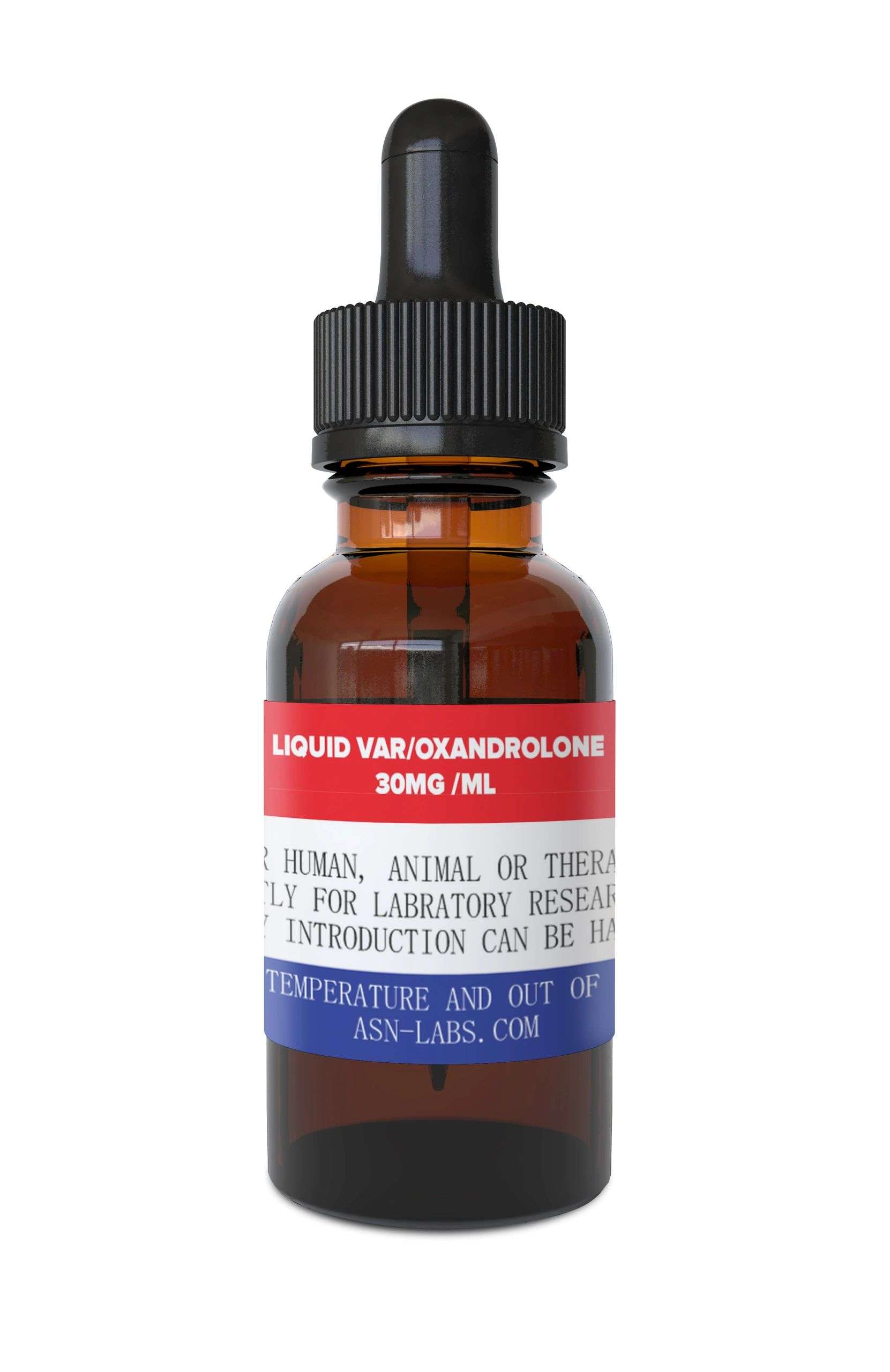
ASN-LABS positions its research compounds around lab-tested quality, U.S. manufacturing, and a professional purchasing experience. Those are the standards worth demanding across the category: traceable quality claims, transparent product information, secure handling, and dependable fulfillment. A supplier should make it easier to verify what you are purchasing, not harder.
The best question is not which stack sounds most extreme. Ask which option gives you the cleanest rationale, the fewest uncontrolled variables, and the strongest evidence of product integrity. When mass research is approached with that level of discipline, hype loses its advantage and quality becomes the real performance edge.