 Orders placed between June 24 and July 5 may experience slight processing delays due to inventory reconciliation and warehouse maintenance.



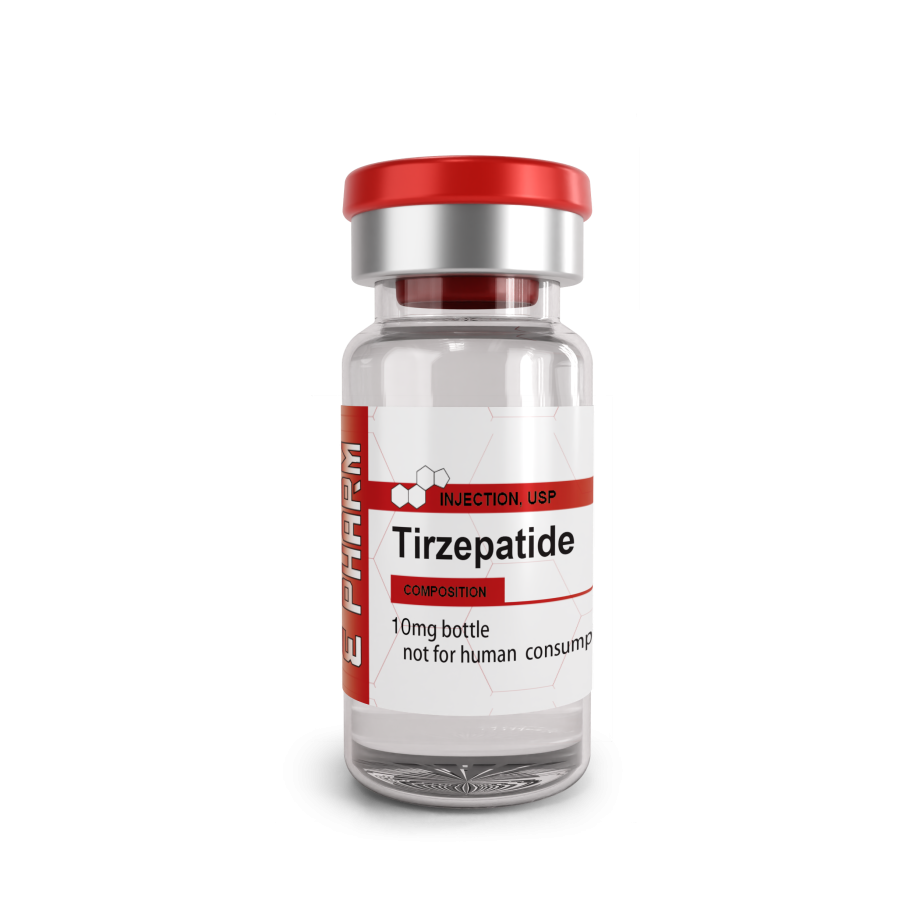
Tirzepatide research peptide USA searches often lead to one critical question: what separates a credible research-material supplier from a vial with little more than a promising label? For serious researchers, the answer is not hype, aggressive pricing, or vague purity claims. It is a disciplined chain of identity verification, batch-specific documentation, controlled handling, and clear compliance boundaries.
Tirzepatide is also the active ingredient in an FDA-approved prescription medication. That fact matters. A material marketed for laboratory research is not interchangeable with an approved drug product, and research-use labeling does not authorize human administration. Any responsible evaluation starts by keeping those categories separate.
Tirzepatide Research Peptide USA: Define the Category First
The phrase “research peptide” is used broadly across the market, but it can hide meaningful differences in product type, intended use, and quality controls. Tirzepatide is a synthetic peptide-based compound studied for its activity at GIP and GLP-1 receptors. Its scientific interest has made it highly visible in metabolic research, but visibility also attracts questionable claims and poorly documented material.
For a U.S. research buyer, the standard should be straightforward: assess the material as a research input, not as a consumer wellness product or a substitute for prescribed care. That means asking whether the supplier can support the identity and stated quality of a specific lot, whether its labeling is consistent with its intended research-only status, and whether its operational practices match the confidence it is trying to sell.
Why the Label Alone Is Not Evidence
A label can state a compound name, mass, and purity percentage. None of those claims carries much weight without records tied to the actual batch. The strongest suppliers treat labeling as the final step in a documented quality process, not the process itself.
Researchers should be skeptical of generic certificates reused across multiple lots, test reports with no batch number, and purity claims that do not identify the analytical method. Those gaps do not automatically prove a material is unsuitable, but they prevent a buyer from making a defensible quality assessment.
The Evidence Package Behind a Credible Batch
For tirzepatide research material, identity and purity are related but distinct questions. Identity asks whether the analyzed material matches the expected compound. Purity asks how much of the measured sample is the intended compound relative to detectable impurities or related substances. A serious review needs evidence for both.
Analytical methods commonly used in peptide quality work include high-performance liquid chromatography or ultra-high-performance liquid chromatography for purity profiling, along with mass spectrometry for molecular identity confirmation. Each method answers a different question. Chromatography can show the distribution of peaks in a sample, while mass analysis helps confirm that the main component aligns with the expected molecular mass.
A batch-specific certificate of analysis should identify the lot, test date, analytical method, reported result, and testing organization or laboratory details. It should also be legible enough for a researcher to evaluate rather than merely functioning as a marketing graphic. If a supplier claims third-party testing, its documentation should make that claim meaningful.
Purity numbers deserve context. A single high percentage is not a complete risk profile, especially with complex peptide materials. The analytical approach, the presence of related peaks, the sample’s age, and the conditions between release and delivery can all affect how useful that number is. Precision is earned through records, not rounded-up claims.
Manufacturing and Handling Are Part of the Result
Peptides are not commodities that become reliable simply because their name is familiar. The handling chain matters from synthesis through packaging, storage, and shipment. A supplier’s manufacturing claims should be supported by operational specificity: controlled production practices, traceable lots, appropriate packaging, and quality procedures designed to reduce mix-ups or contamination.
Made in the USA can be a meaningful trust signal when it reflects real domestic manufacturing and accountable operations. It should not be used as a substitute for testing. Likewise, GMP-oriented processes can indicate a higher level of quality discipline, but buyers should distinguish between a broad marketing statement and an actual certification or documented standard applicable to the facility and product.
Storage claims require the same level of care. A responsible supplier provides handling guidance based on the material’s stated form and available stability information, rather than offering generic instructions designed to sound technical. Packaging should protect the material during ordinary transit, and the product should arrive with lot traceability intact.
For organizations maintaining laboratory records, receiving inspection is a useful control point. Confirm that the package condition, product label, lot number, and accompanying documentation all match the purchase record before the material enters research inventory. This small step can expose preventable errors before they become expensive experimental variables.
Compliance Is Not Fine Print
A professional tirzepatide research peptide USA supplier should communicate its boundaries plainly. Research-use material is not for human or veterinary consumption, diagnosis, treatment, or administration. Clear language protects the integrity of the research environment and distinguishes responsible suppliers from sellers trying to blur regulatory lines.
The U.S. regulatory context is especially relevant with a compound connected to an approved prescription product. An approved pharmaceutical product is manufactured, reviewed, labeled, and distributed under a distinct framework. Research material does not inherit that status because it shares a compound name. It cannot be represented as equivalent, safer, or appropriate for self-directed use.
This is not a minor disclaimer. It is a core quality signal. Suppliers that make therapeutic promises, imply personal-use outcomes, or provide instructions intended to facilitate administration are creating the wrong incentives. Serious research requires a supplier that respects the line between a laboratory material and a medical product.
Build a Defensible Supplier Review
The strongest purchasing decision is based on a pattern of evidence, not one headline claim. Start with lot-specific documentation and verify that the reported batch number matches the offered material. Then examine whether the supplier identifies its analytical methods and whether the test data appear specific, current, and internally consistent.
Next, assess operational transparency. Can the company explain its research-use position without evasive language? Does it provide clear contact information, professional product labeling, and a coherent process for resolving order or documentation issues? Reliable nationwide fulfillment is valuable, but speed should never outrank traceability.
Finally, look at how the supplier talks about quality. Credible language is specific: lab-tested, batch-traceable, identity confirmed, purity analyzed, and professionally packaged. Weak language leans on absolutes, miracle outcomes, or claims that no test report can reasonably support. ASN-LABS and other quality-focused research suppliers should be judged by what they can document, not simply by how forcefully they market.
Questions Worth Asking Before a Purchase
Before adding any research material to a laboratory workflow, confirm four practical points: whether a batch-specific COA is available, whether the lot number matches the product documentation, which methods were used to assess identity and purity, and whether the product is clearly designated for legitimate research use only. If those answers are unclear, the apparent bargain may carry a much higher cost in unusable data and avoidable uncertainty.
What High Quality Cannot Tell You
Even excellent analytical documentation has limits. A certificate of analysis reflects the tested sample and reported methods at a given point in time. It does not validate a research hypothesis, guarantee outcomes in a particular model, or replace sound experimental design.
Researchers still need appropriate controls, documented procedures, competent oversight, and an understanding of the limitations of the material. For work involving biological systems, protocol design, institutional requirements, and applicable regulations determine whether a project is scientifically and legally appropriate. Supplier quality supports research integrity, but it cannot carry the whole burden.
That distinction is valuable because it keeps the standard high. The right material reduces an unnecessary source of variability. It does not turn speculation into evidence.
Set a Higher Standard for Research Materials
The market rewards attention, but credible research depends on verification. When evaluating tirzepatide research materials in the U.S., prioritize lot-level testing, transparent quality records, controlled handling, and uncompromising research-use compliance. A supplier willing to show its work gives researchers something more useful than a bold promise: a clearer basis for disciplined, accountable decisions.