 Orders placed between June 24 and July 5 may experience slight processing delays due to inventory reconciliation and warehouse maintenance.



A peptide label can look polished, carry a familiar compound name, and still leave the most important questions unanswered. With USA manufactured peptides, the real standard is not the flag on the bottle. It is whether the supplier can support that claim with traceable production, analytical documentation, controlled handling, and lot-level consistency.
For serious buyers, sourcing is part of the research protocol. A compromised material can distort observations, waste time, and create avoidable uncertainty before a project has even started. Domestic manufacturing can offer meaningful advantages, but only when the operation behind the claim is disciplined enough to prove what it is selling.
Why USA Manufactured Peptides Matter
Peptides are not commodities in the casual sense. They are sequence-specific compounds whose quality is shaped by synthesis conditions, purification, characterization, packaging, storage, and transport. A minor impurity profile difference or a mislabeled concentration can materially change the reliability of research work.
A U.S.-based manufacturing and fulfillment model can tighten control across that chain. It may reduce transit time, simplify communication with the supplier, and make documentation easier to obtain and evaluate. It can also help limit the handoffs that occur when material moves through several brokers, foreign warehouses, and relabeling operations before reaching the buyer.
That said, Made in the USA is not a substitute for evidence. A domestic company may formulate, package, or distribute a compound in the United States while the active material comes from elsewhere. Those models are not automatically unacceptable, but they are different. Buyers should know whether a supplier is referring to synthesis, final processing, filling, packaging, or simply domestic shipping.
The strongest suppliers are precise with their language. They explain what their manufacturing claim means, identify the quality controls used, and make the relevant lot documentation available rather than relying on broad marketing statements.
The Proof Behind a Domestic Manufacturing Claim
A credible peptide supplier does not ask sophisticated buyers to accept purity on faith. It provides a record that can be reviewed. The Certificate of Analysis is the starting point, but it should not be treated as a decorative PDF.
First, confirm that the lot number on the document matches the lot number on the product. Then look at the test method, the reported purity result, the date of analysis, and the identity of the testing laboratory. For peptide materials, high-performance liquid chromatography is commonly used to assess purity, while mass spectrometry can support molecular identity. A meaningful COA names the compound, identifies the batch, and reports actual results rather than generic pass language.
Third-party testing is especially valuable because it creates separation between manufacturing and verification. It does not eliminate the need for scrutiny, but it is a stronger quality signal than an unverified in-house claim alone. The question is not whether a supplier says its material is tested. The question is whether the results are specific, recent, batch-linked, and believable.
Manufacturing standards deserve the same level of attention. GMP-oriented processes, controlled environments, documented procedures, equipment cleaning, and raw-material controls all support consistency. Be careful with the phrase “GMP-certified,” however. It can refer to different scopes and standards depending on the facility and product category. A trusted supplier should be able to clarify what quality framework applies instead of using GMP as a vague catchall.
Purity Is More Than a Percentage
A high purity number is important, but it is not the entire quality story. A 99% result sounds decisive until buyers ask what makes up the remaining 1%, how the material was identified, whether the sample represented the full batch, and how the result was generated.
For research applications, identity, concentration, and consistency matter alongside purity. The correct sequence must be present. The stated amount must align with the material supplied. Each lot should perform within defined specifications so one order does not introduce variables that were absent in the previous one.
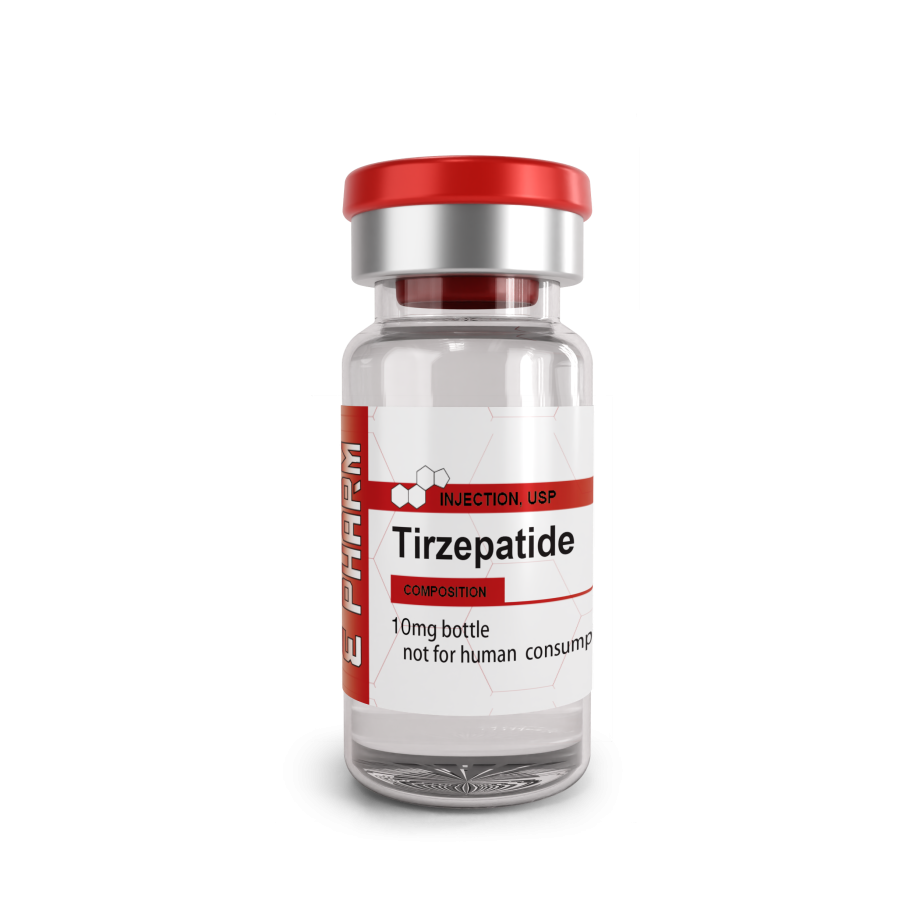
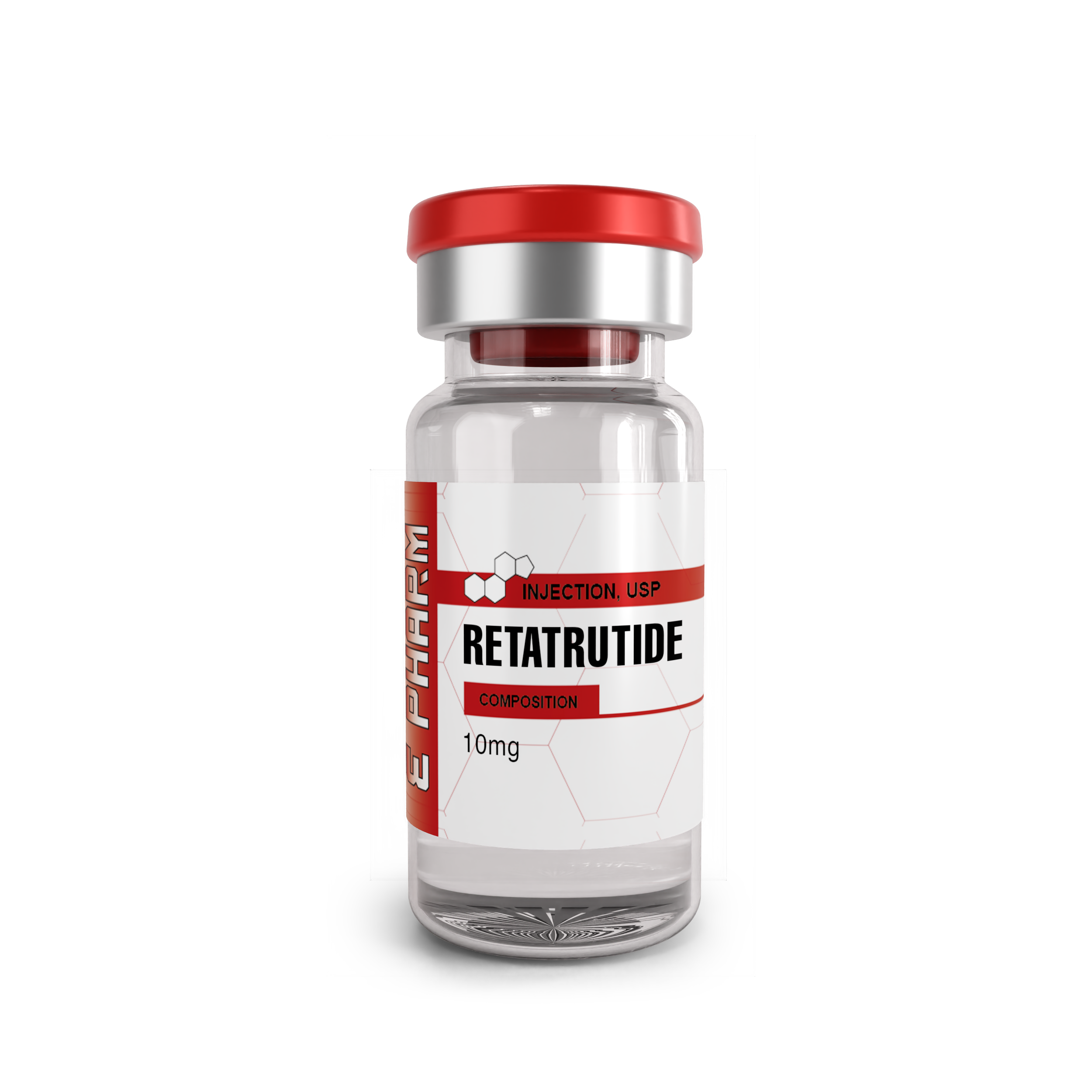
Peptide format also matters. Lyophilized material is often selected for stability and transport practicality, but it still requires appropriate packaging and storage. Exposure to heat, moisture, light, or repeated temperature swings can compromise material before it reaches the bench. A supplier that takes quality seriously thinks beyond the synthesis step and protects the product through final delivery.
This is where domestic fulfillment can be a practical advantage. Faster nationwide shipping can reduce extended warehouse exposure and long transit windows. It is not a guarantee of stability by itself, particularly during seasonal temperature extremes, but it is one controllable piece of a larger quality system.
How to Evaluate a Peptide Supplier Before Ordering
Start with transparency. Can the supplier clearly state whether its peptides are manufactured, packaged, and shipped in the United States? Can it distinguish between its own production controls and claims made by upstream partners? Vague origin language deserves a closer look.
Next, evaluate documentation. Lot-specific COAs, accessible analytical results, and clear product specifications demonstrate that quality is operational, not merely promotional. A supplier should also maintain consistent naming, labeling, and batch records across its catalog. Conflicting dosage language, recycled documents, or impossible purity claims are warning signs.
Then assess the purchasing experience as part of the quality signal. Professional product pages, accurate inventory status, responsive support, secure fulfillment, and clear research-use labeling reflect the discipline of the organization. None of these factors replaces analytical testing, but the absence of basic operational control should make buyers question what is happening behind the scenes.
Finally, consider whether the supplier respects the boundaries of the category. Research peptides should be sold and described for legitimate laboratory research purposes only, not as products intended for human consumption, diagnosis, treatment, or prevention of disease. Compliance-focused language is not less serious than performance-focused language. It is evidence that the supplier understands the responsibility attached to advanced research compounds.
Common Shortcuts That Create Expensive Problems
The lowest advertised price often reflects a decision made somewhere in the supply chain. It may mean less analytical verification, weaker cold-chain planning, inconsistent fill weights, poor packaging, or a broker model with limited visibility into the originating material. Low cost is not automatically disqualifying, but extreme price gaps need an explanation.
Another shortcut is treating a generic COA as proof for every bottle. A document without a matching batch number cannot establish the quality of the item in hand. Likewise, a purity percentage without a method, chromatogram, laboratory reference, or date offers little basis for comparison.
Buyers should also avoid confusing fast shipping with quality control. Speed is valuable, especially for sensitive materials, but it only matters when paired with sound packaging, appropriate storage practices, and traceable release standards. The best suppliers deliver both: efficient fulfillment and documented control from production through shipment.
A Higher Standard for Research Sourcing
For performance-oriented researchers, peptides used in body composition, metabolic, recovery, cognitive, or other investigational programs deserve the same sourcing discipline as any other research input. The compound name may attract attention, but the supplier’s controls determine whether the material is worthy of serious evaluation.
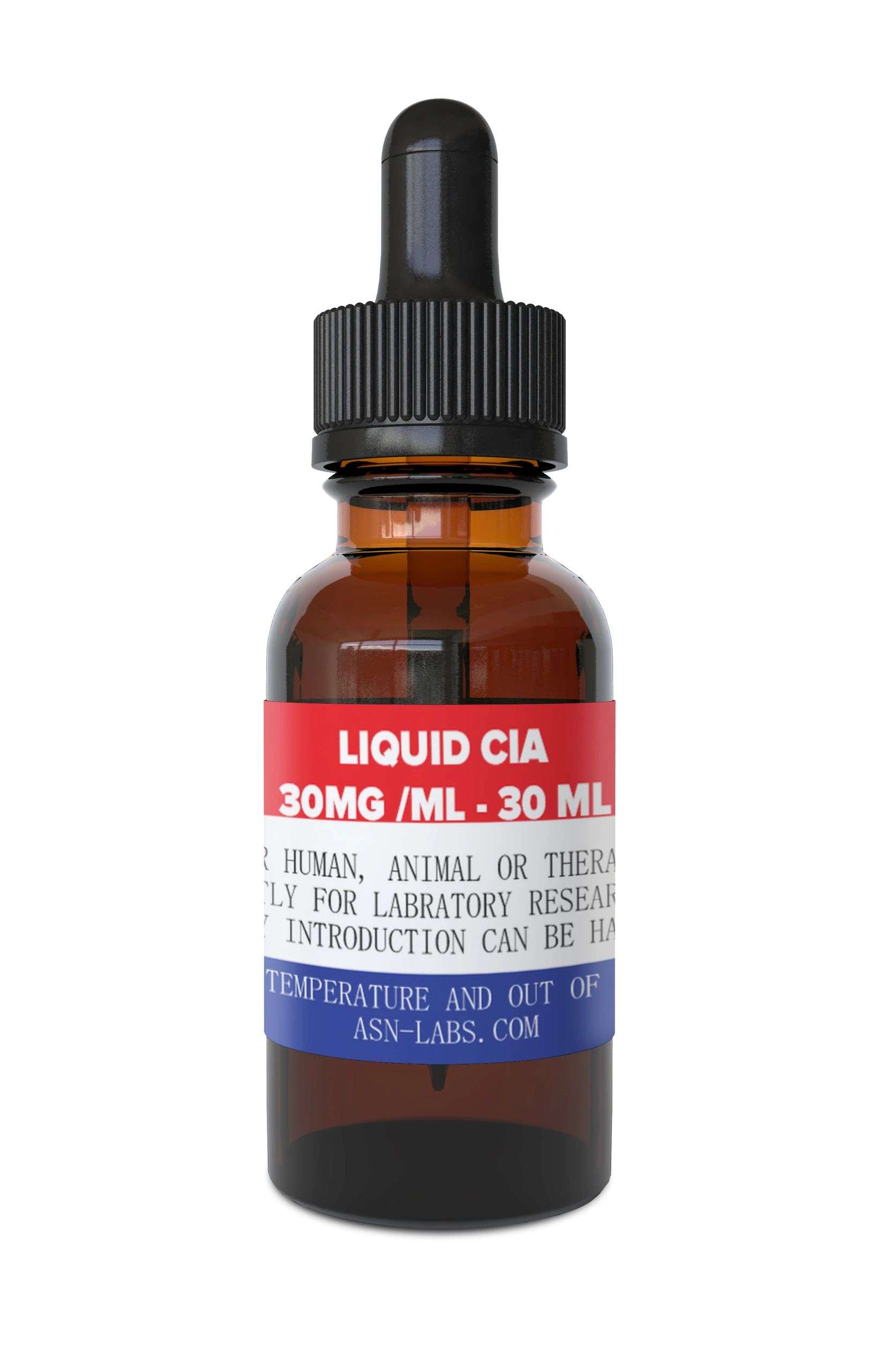
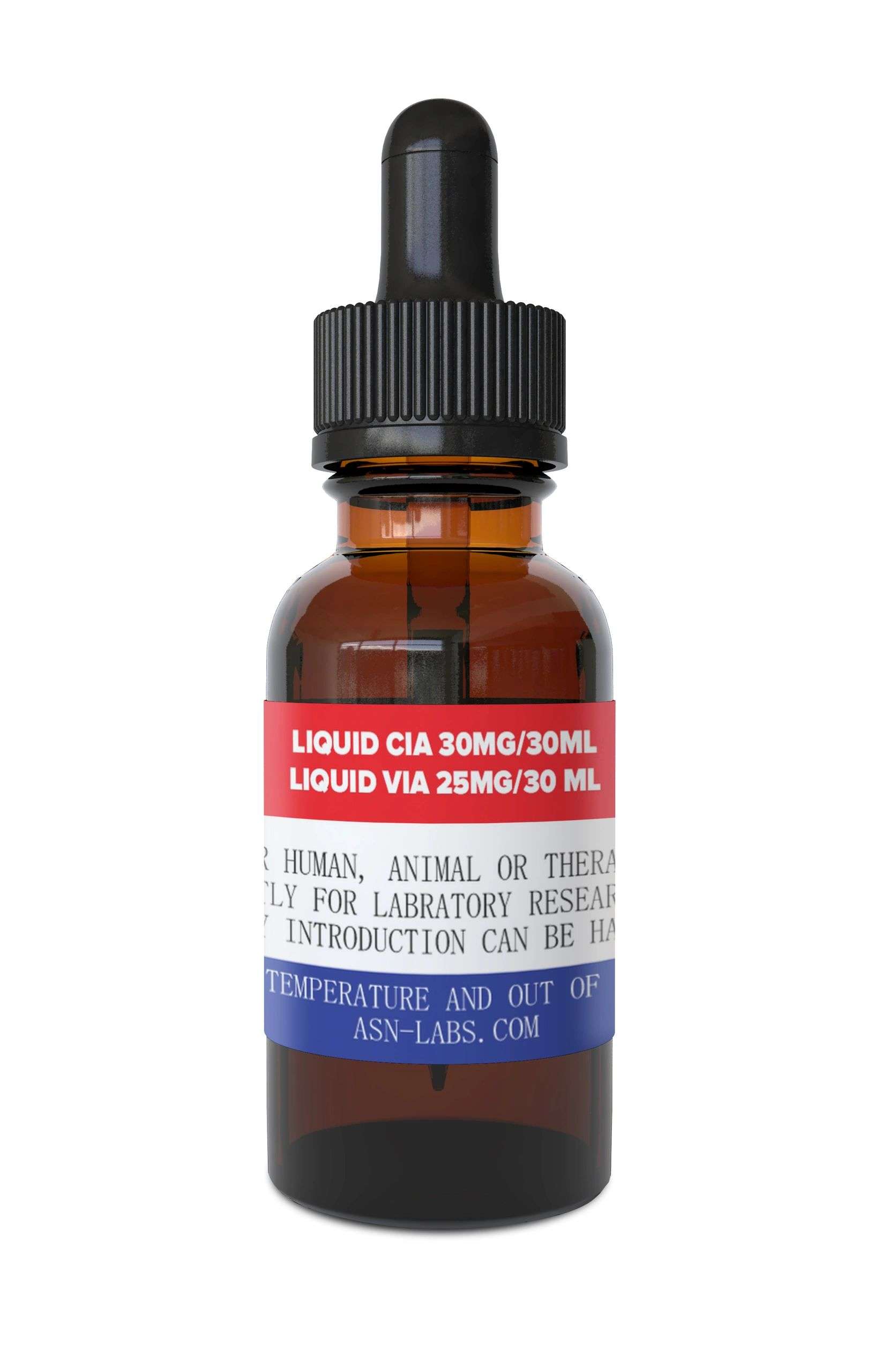
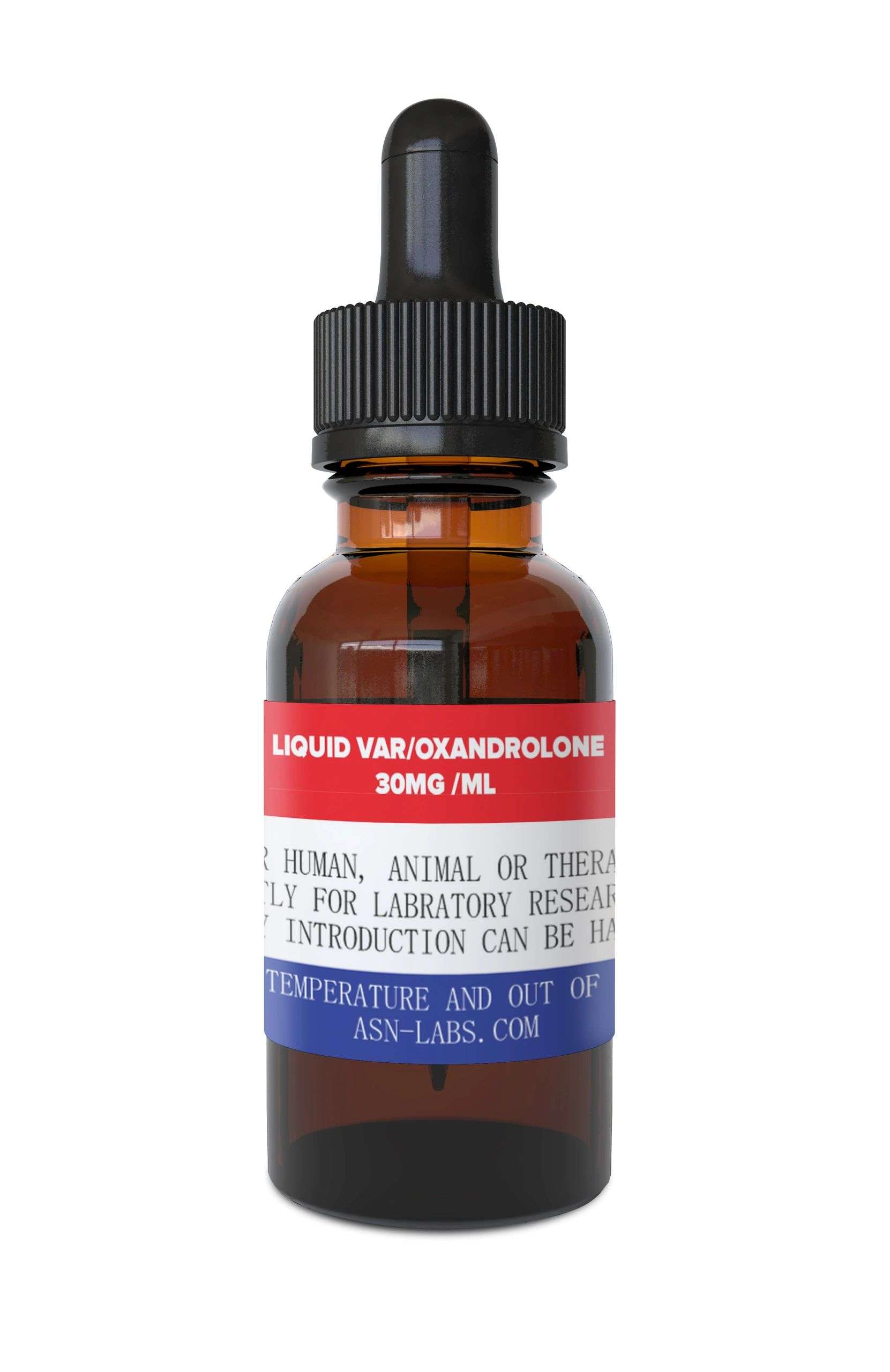
ASN-LABS approaches this standard through a quality-first, research-use framework built around lab-tested materials, transparent purity expectations, and dependable U.S. fulfillment. The goal is not to make louder claims. It is to give buyers stronger reasons to trust what arrives at their door.
When evaluating USA manufactured peptides, demand a specific origin story, batch-level analytical support, responsible handling, and professional accountability. A supplier that can prove those fundamentals gives your research a cleaner starting point – and that is where better decisions begin.