 Orders placed between June 24 and July 5 may experience slight processing delays due to inventory reconciliation and warehouse maintenance.



A label can claim 99% purity in bold type. That claim means very little unless the supplier can connect it to a real, recent, batch-specific laboratory result. For researchers evaluating third party tested SARMs, the difference is not cosmetic. It is the difference between documented identity and marketing copy, between a traceable research material and an unknown variable.
SARMs are frequently marketed with performance-heavy language, which makes verification even more valuable. A serious sourcing standard starts with independent analytical testing, clear documentation, and manufacturing controls that support repeatability from one batch to the next. No certificate can make a research compound approved for human use or eliminate every risk, but credible testing gives researchers a far stronger basis for evaluating what they are purchasing.
What “Third Party Tested” Should Actually Mean
Third-party testing means analysis is performed by an independent laboratory rather than solely by the company selling the material. That separation matters. An outside lab has no direct financial incentive to produce a preferred result, and its report can provide objective evidence about the sample submitted for testing.
Still, the phrase alone is not enough. A supplier can use “lab-tested” broadly while providing an outdated report, a report for a different batch, or a result that does not identify the actual compound. The documentation must be specific enough to verify. The strongest standard is a certificate of analysis, commonly called a COA, tied directly to the product’s current lot or batch number.
For research compounds, testing should support three core questions: Is the material what the label says it is? Does the measured purity align with the stated specification? Has the batch been screened for relevant contaminants or formulation issues? The exact test panel depends on whether a product is supplied as a raw material, solution, capsule, or another format. The principle does not change: the claimed standard should be backed by evidence.
The COA Is the Starting Point, Not the Finish Line
A credible COA should be readable, specific, and internally consistent. It should name the compound tested, identify the laboratory, show a report date, and include a batch or lot reference that matches the product in question. If a report simply says “SARM sample” or omits identifying information, it offers limited practical value.
The analytical method also matters. High-performance liquid chromatography, or HPLC, is commonly used to evaluate purity and profile components in a sample. Liquid chromatography-mass spectrometry, often abbreviated LC-MS, can add powerful identity confirmation by examining molecular mass and related characteristics. Depending on the material and test objective, other techniques may be appropriate as well.
A percentage alone does not tell the full story. “99% purity” should prompt useful follow-up questions. What was the 1%? Was the finding based on an appropriate validated method? Does the chromatogram or analytical summary show a clean, interpretable result? Is the report current enough to reflect the batch being sold? Strong suppliers do not treat these questions as an inconvenience. They understand that transparent quality control is part of the product.
Batch Matching Is the Detail That Separates Proof From Theater
A generic COA is easy to display. Batch matching is harder to fake and much more meaningful. The lot number on the documentation should correspond to the lot number assigned to the product inventory. This creates a chain of accountability from manufacturing through testing and fulfillment.
Without batch matching, a COA may show that a supplier once tested a material, not that the item currently offered was tested. That distinction is critical when sourcing compounds that can vary based on raw-material origin, handling, storage, or production run. Quality is not a one-time event. It is a system.
Researchers should also look for reasonable report dates. A report from years ago does not necessarily describe current inventory, particularly for products with multiple manufacturing cycles. Recent documentation, clear lot control, and consistent specifications give a supplier’s purity claims real weight.
Purity, Identity, and Contaminants Are Different Questions
Purity is often treated as the entire quality conversation. It is not. Purity evaluates how much of the tested sample is the intended material relative to detected impurities. Identity confirms whether the intended compound is actually present. Contaminant testing examines whether unwanted materials, residual solvents, microbial concerns, heavy metals, or other relevant impurities may be present.
The necessary scope depends on the product type. A raw research material and a liquid preparation do not present identical quality-control considerations. For example, a liquid formulation may require additional attention to concentration accuracy, solvent selection, fill consistency, and container compatibility. A finished capsule or tablet may require testing that accounts for excipients and uniformity.
This is why serious buyers should avoid reducing the decision to one headline number. A supplier that can explain its testing approach, specifications, manufacturing practices, and product handling is offering a more credible quality signal than one relying on a single purity graphic.
Why Independent Testing Matters in the SARMs Category
The research-compound market is crowded, and the barrier to making polished claims is low. Labels, product photos, and aggressive promises can be created quickly. Independent analytical documentation takes more work. It requires inventory discipline, laboratory coordination, and a willingness to let objective results stand behind the product.
For third party tested SARMs, that discipline is especially relevant because naming confusion, mislabeling, underdosing, and inconsistent formulations are real sourcing concerns across the broader market. A product name is not a guarantee of identity. A professional supplier should be prepared to support its claims with lot-specific evidence rather than asking buyers to rely on appearance or reputation alone.
There is also a practical research reason to prioritize consistency. Unverified inputs introduce uncertainty before any work even begins. When compound identity and composition are unclear, results become harder to interpret and reproduce. Better sourcing does not solve every research challenge, but it removes an avoidable one.
Red Flags That Deserve a Second Look
Transparency has a recognizable pattern, and so do weak quality claims. A supplier does not need to publish every internal document publicly, but it should be able to communicate clearly about what was tested and how product quality is controlled.
Be cautious when you see vague statements such as “pharmaceutical grade” with no supporting documentation, a COA that lacks a lab name or date, reports that do not reference a product lot, or results that appear copied across unrelated compounds. Claims of extreme purity without an identifiable method deserve scrutiny as well. So do sellers that refuse to distinguish between research-use materials and approved medications.
Another warning sign is confusion between testing and compliance language. Third-party testing can support a claim about a specific sample. It does not mean a compound is approved by the FDA, appropriate for human consumption, or free from risk. Suppliers that present testing as a substitute for regulatory status are not providing the clarity serious researchers need.
A Higher Standard for Supplier Evaluation
The best sourcing decisions combine documentation with operational signals. Look at whether the supplier maintains consistent lot control, uses protective packaging, provides reasonable storage guidance, and communicates clearly about intended research use. Evaluate whether its manufacturing and quality language is precise. “GMP-certified” is a specific claim that should not be confused with looser phrases such as GMP-oriented practices or quality-focused production.
Made in the USA claims should be equally clear. They may refer to final manufacturing, formulation, packaging, or another stage of production. A credible supplier can explain what the claim covers instead of using it as a vague trust badge. Precision in language reflects precision in operations.
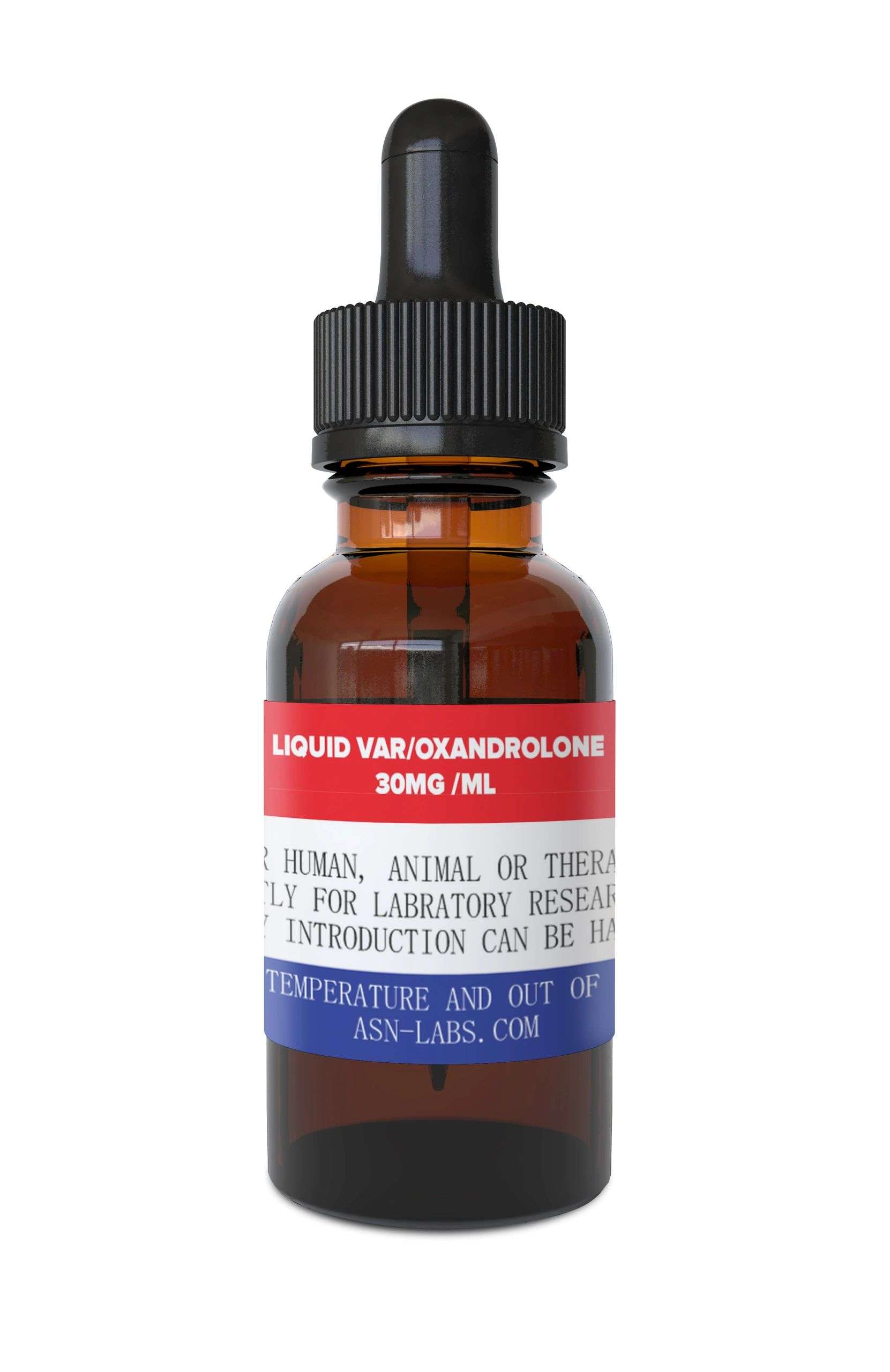
ASN-LABS approaches research-compound sourcing with that standard in mind: professional presentation, quality-centered documentation, and a research-use framework that does not blur the line between laboratory materials and approved consumer products. For buyers who value dependable sourcing, that clarity matters as much as the product label.
Documentation Should Build Confidence, Not Replace Judgment
A strong COA is a meaningful quality-control tool, but it is not a permission slip. SARMs are not FDA-approved for human consumption, and research compounds should be handled only within applicable laws, institutional requirements, and appropriate research protocols. Independent testing addresses product-verification questions. It does not answer medical, legal, or safety questions for an individual.
That distinction is where disciplined sourcing begins. Seek evidence that is current, batch-specific, and produced by an identifiable independent lab. Ask whether the testing method fits the claim being made. Pay attention to suppliers that communicate with precision instead of exaggeration.
When the label is backed by traceable proof, the research material stops being a guess. That is the standard worth demanding.