 Orders placed between June 24 and July 5 may experience slight processing delays due to inventory reconciliation and warehouse maintenance.



A research use only compounds label is not a shortcut around quality. It is a clear statement of intended use, and it raises the standard for everything behind the product: identity verification, purity testing, controlled handling, accurate labeling, and documentation that can be reviewed before a compound enters a research workflow.
For serious buyers, the difference is measurable. A product may carry a familiar compound name, but that name alone does not confirm what is in the container, whether the stated concentration is accurate, or whether the material was handled with the consistency a legitimate project requires. Precision starts with the supplier.
What Research Use Only Compounds Actually Mean
Research use only, often shortened to RUO, identifies materials intended exclusively for laboratory, analytical, educational, or other non-human research applications. They are not approved medicines, dietary supplements, or products for human consumption. That distinction must remain clear in product labeling, marketing, purchasing decisions, and downstream handling.
For researchers working with categories such as SARMs, peptides, nootropics, and metabolic research compounds, RUO status also means the material should be approached with a documented research purpose. The compound should be evaluated according to its specifications, known analytical properties, storage requirements, and appropriate laboratory controls, not through assumptions based on online hype or anecdotal claims.
This is where supplier discipline matters. The marketplace includes products that look similar at a glance but differ sharply in traceability and quality controls. A professional source makes it easier to distinguish between a label and a verifiable standard.
Quality Starts Before the Bottle Is Filled
Purity claims are only as useful as the process used to support them. High-quality research materials begin with controlled raw-material sourcing, defined manufacturing procedures, and testing that is relevant to the compound being sold. For many compounds, analytical methods such as HPLC can help assess purity, while mass spectrometry can support identity confirmation. The appropriate test package depends on the material and its intended research application.
The goal is not to chase an impressive number without context. A purity result should connect to a specific batch, a stated method, and a clear product identity. Researchers should be able to see whether the documentation matches the compound name, lot number, concentration where applicable, and date of analysis.
Consistency is just as important as a single test result. A supplier with disciplined batch controls, defined packaging procedures, and repeatable release standards is better positioned to deliver materials that remain aligned from one order to the next. That predictability matters when research depends on comparable inputs rather than guesswork.
Why Third-Party Testing Carries Weight
Independent testing can add an important layer of confidence because it provides verification beyond a seller’s internal claim. It does not eliminate the need for careful review, but it gives buyers a stronger basis for evaluating identity and purity.
A credible certificate of analysis should be readable and specific. Generic reports with no batch connection, missing dates, unclear methods, or mismatched product details should prompt questions. Strong documentation is not decorative marketing. It is part of the quality record.
How to Evaluate an RUO Supplier
The right supplier does more than stock a long catalog. It communicates a quality position that can withstand scrutiny. Start with transparency around testing and product specifications. If a supplier emphasizes lab testing, ask whether documentation is tied to the lot being purchased and whether it reflects the actual format of the product.
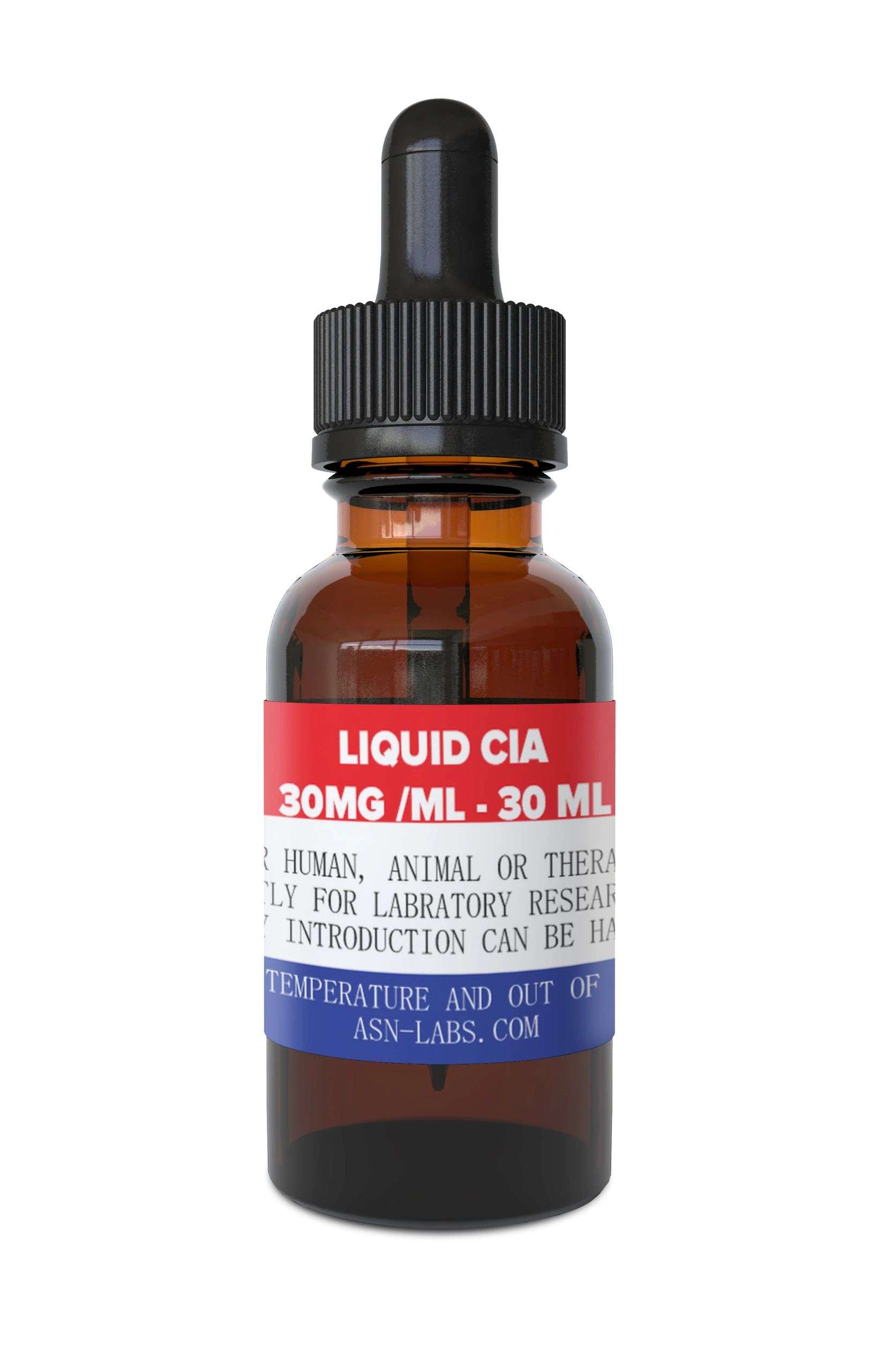
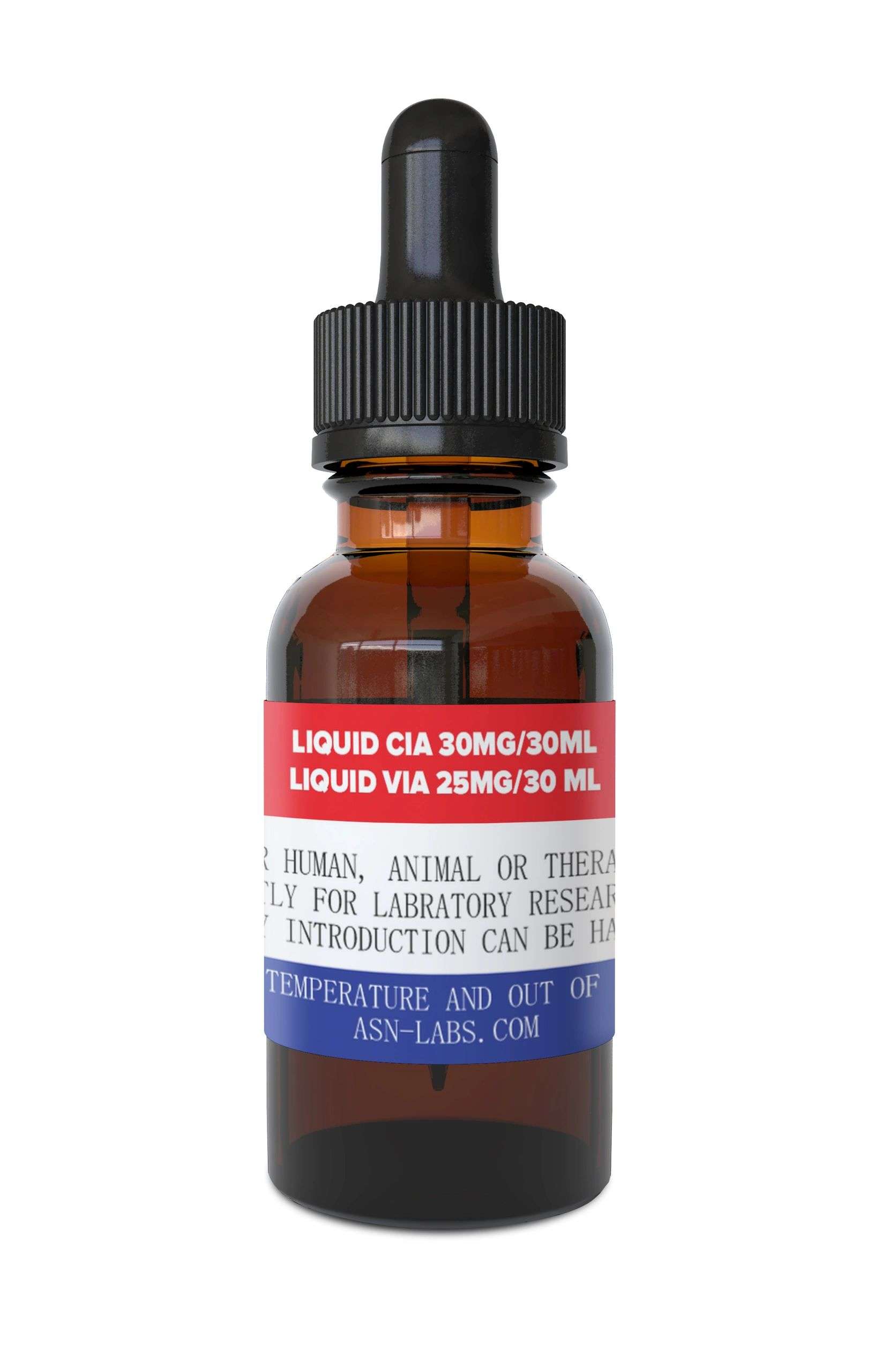
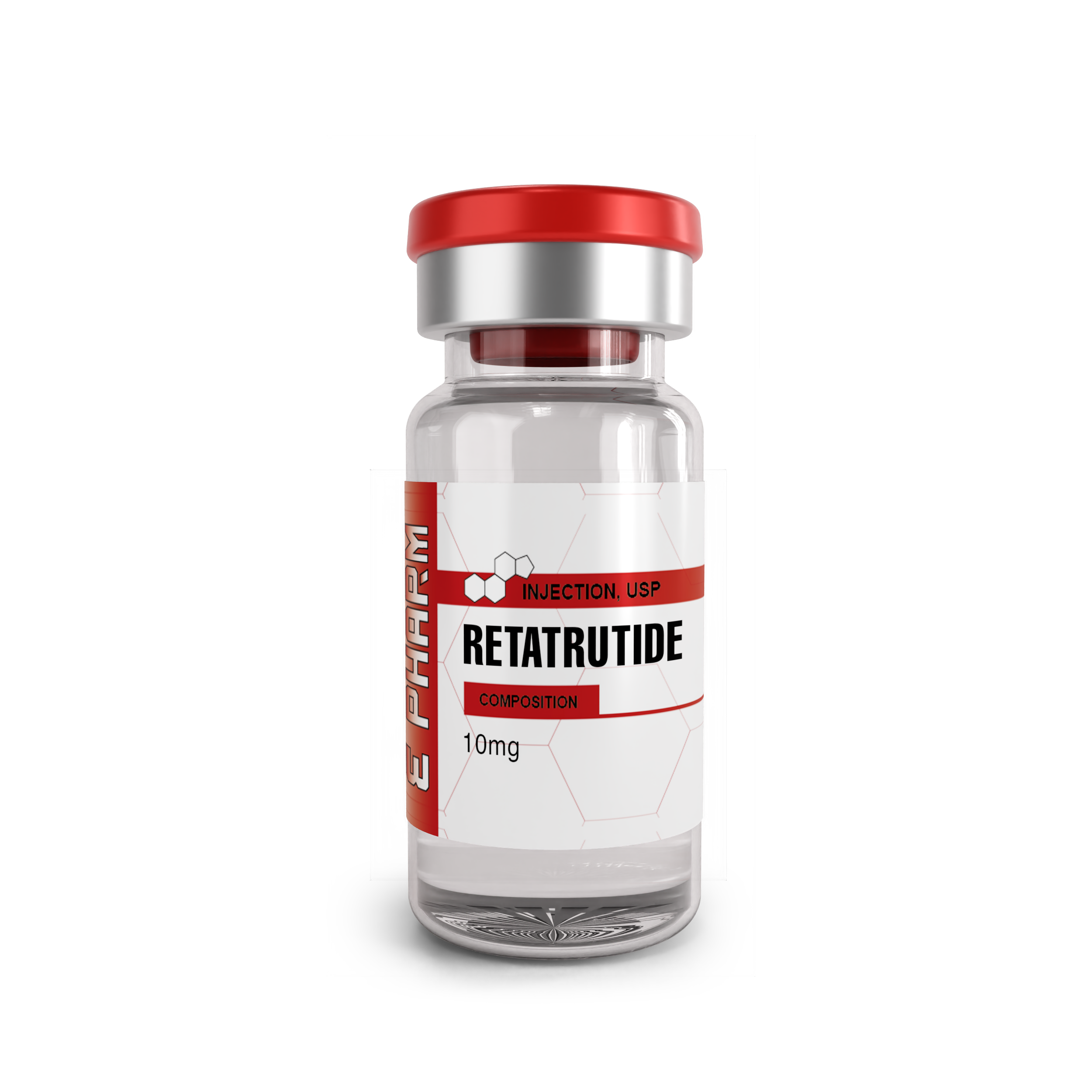
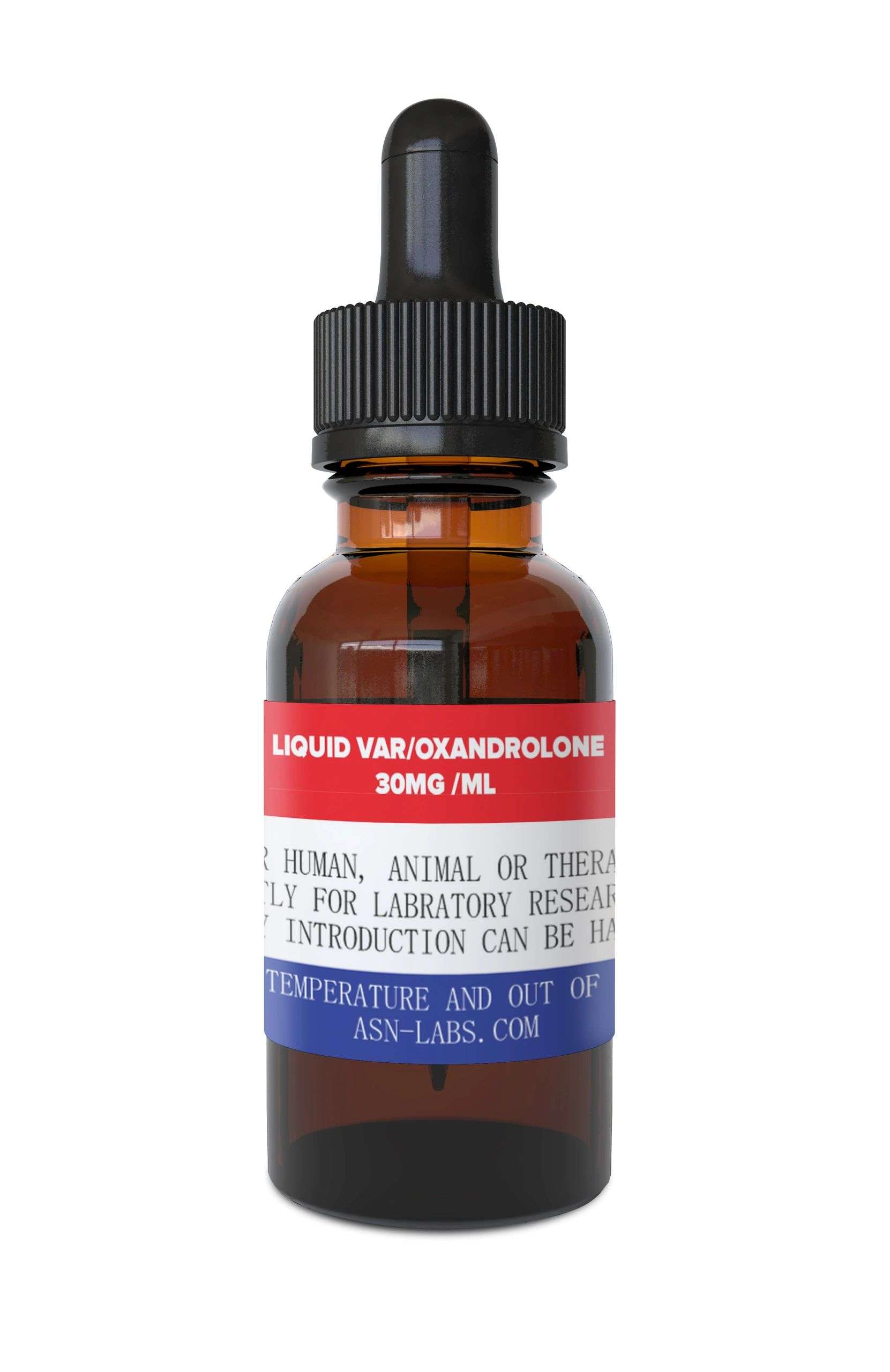
Next, assess how the company handles labeling and packaging. Research materials should be clearly identified, sealed appropriately, and labeled with details that support inventory control. Lot numbers, storage information, and intended-use statements are practical safeguards, not minor extras.
Shipping and fulfillment also affect the research experience. Fast domestic shipping is valuable, but speed should not come at the cost of careful packing or proper order accuracy. Materials that arrive mislabeled, poorly protected, or without the expected documentation create avoidable uncertainty before analysis even begins.
Finally, examine the supplier’s overall language. Serious providers do not blur the line between research use and human use. They can present technical product information, quality standards, and performance-oriented research categories without making unsupported therapeutic claims or encouraging consumption. That balance signals a more professional operation.
Documentation Is Part of the Product
A research compound is not only the contents of its container. The supporting information is part of what makes the material usable in a controlled setting. At minimum, buyers should expect a clear product name, batch or lot reference, stated quantity or concentration, storage guidance, and an RUO designation.
Certificates of analysis add another layer. Depending on the compound, useful documentation may address identity, purity, appearance, assay, residual solvents, microbial screening, or other relevant attributes. Not every assay applies to every material, so the question is not whether a document contains the longest possible list. The question is whether the testing is appropriate, current, and traceable.
Documentation also supports better internal records. When a material is received, researchers can log the supplier, lot number, receipt date, storage location, and associated test report. This simple discipline makes it easier to investigate inconsistent findings and preserve continuity across a project.
Storage, Handling, and Stability Cannot Be Ignored
Even a properly tested compound can become less dependable if it is stored or handled carelessly after delivery. Light, temperature, moisture, repeated opening, and incompatible containers can affect material stability. The correct conditions vary by compound, which is why supplier guidance and product-specific information should be followed rather than generalized.
For powdered materials, clean tools and controlled transfer practices help reduce cross-contamination. For solutions, concentration, solvent compatibility, container integrity, and storage temperature deserve attention. If a product arrives with compromised packaging, unclear labeling, or unexpected visual changes, it should be quarantined and evaluated instead of being treated as routine inventory.
This is not unnecessary caution. It is the operational side of quality. Reliable data requires reliable inputs, and reliable inputs require care from sourcing through storage.
Performance-Focused Research Requires Better Standards
Researchers interested in body-composition, cognitive, peptide, or metabolic pathways often work in categories crowded with bold claims. That makes quality verification even more valuable. A compound’s popularity does not establish its identity, purity, legal status, stability, or suitability for a particular research setting.
The strongest approach is disciplined rather than impulsive: define the research need, select materials with documentation that matches the batch, verify storage requirements, and maintain clear records. It may take more time than choosing the lowest price or the loudest marketing claim, but it reduces uncertainty where it matters.
ASN-LABS is built for buyers who expect that standard from a U.S.-based research supplier: transparent quality signals, professionally presented materials, and a firm research-use-only framework. Premium sourcing is not about inflated language. It is about giving serious research buyers clearer information and more consistent materials to evaluate.
When evaluating research use only compounds, let the documentation answer the hard questions before the material reaches your bench. That habit protects the quality of the work that follows.