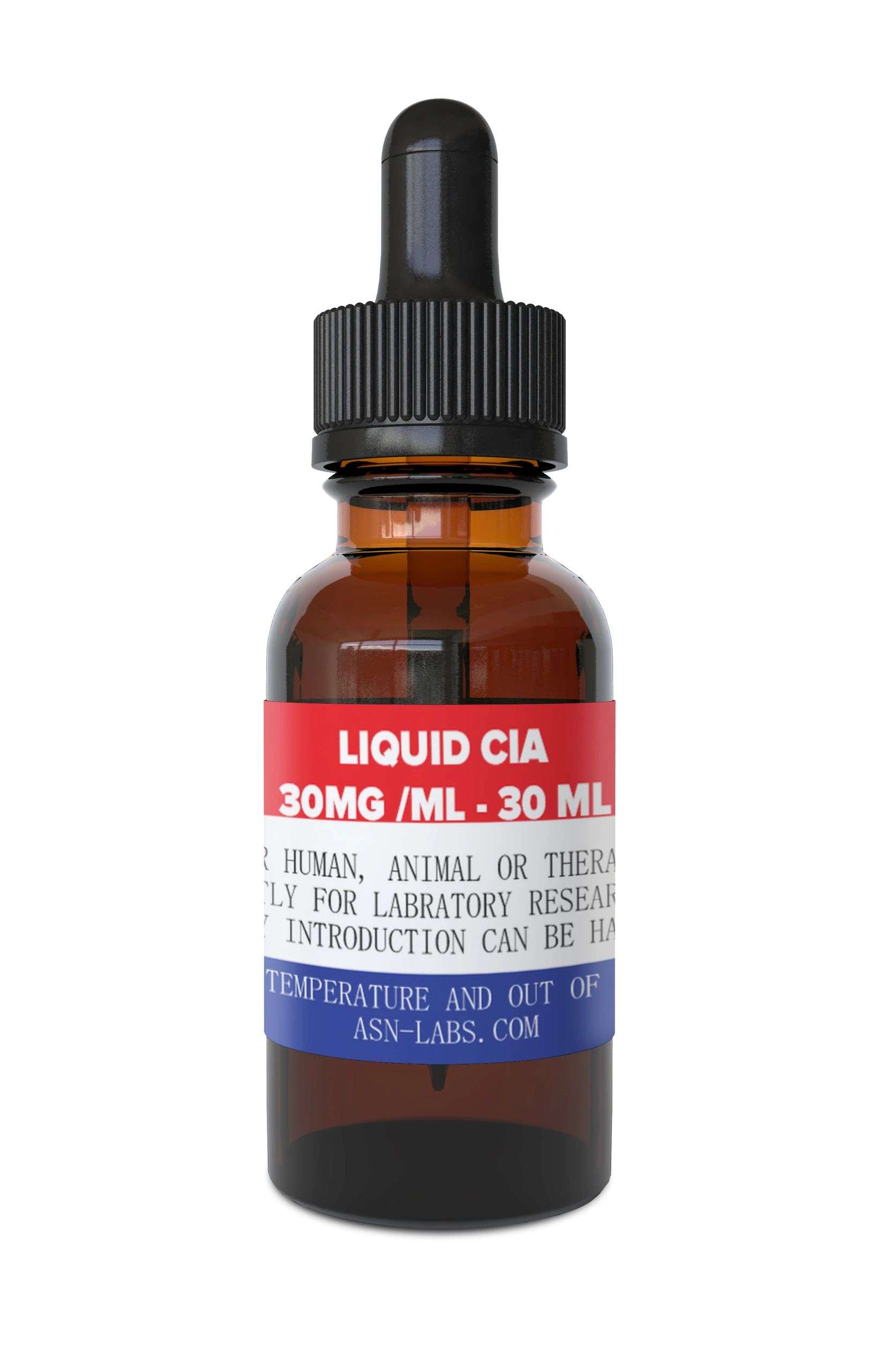
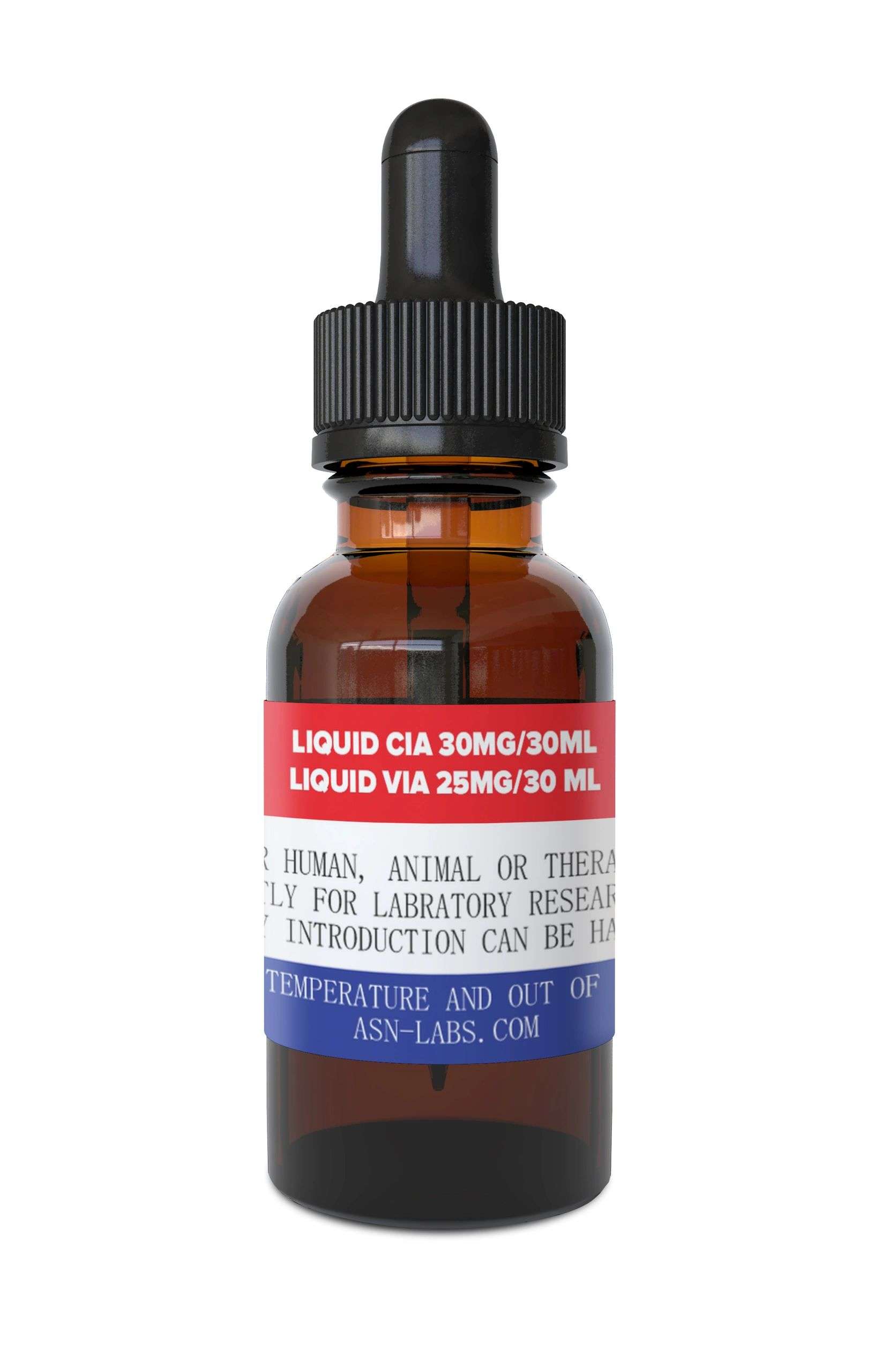
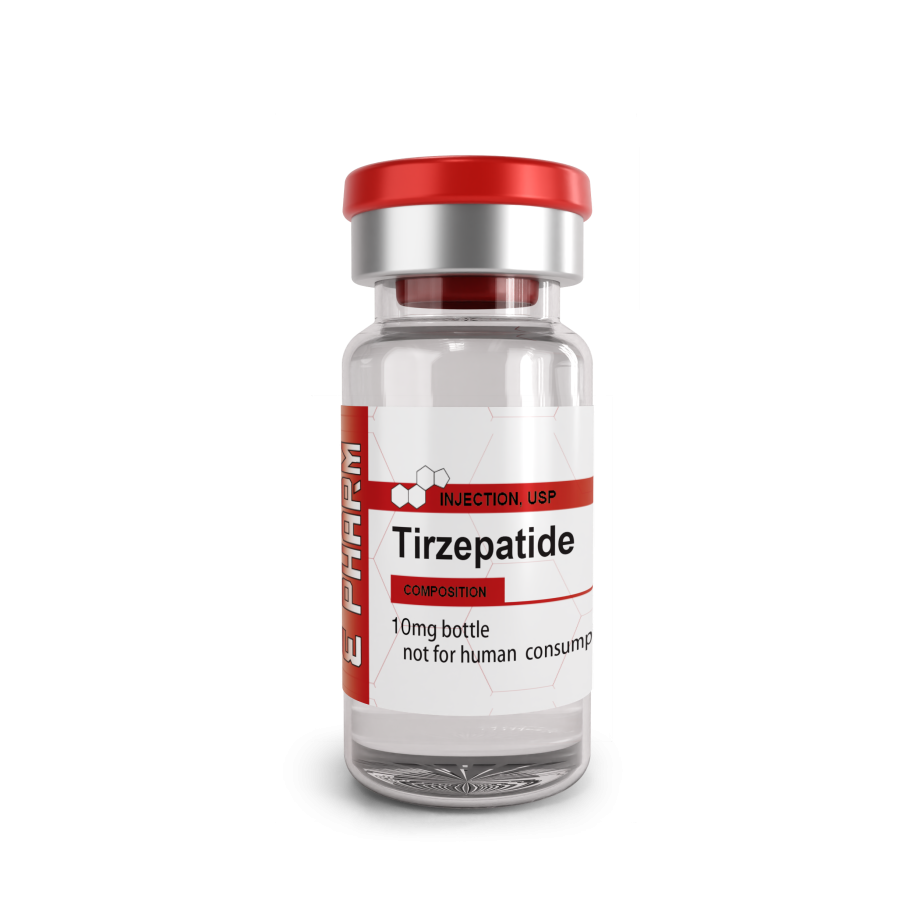
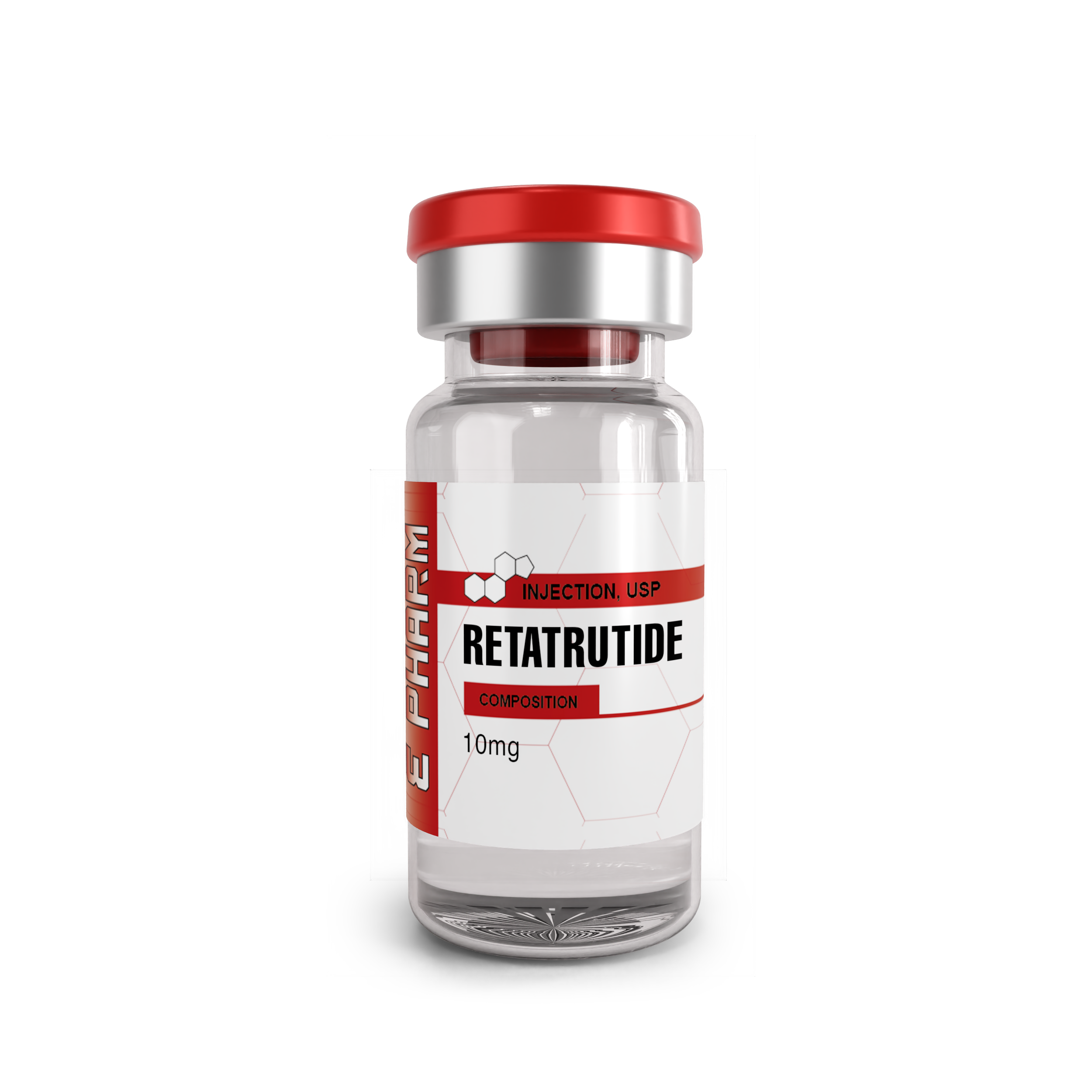
 Orders placed between June 24 and July 5 may experience slight processing delays due to inventory reconciliation and warehouse maintenance.



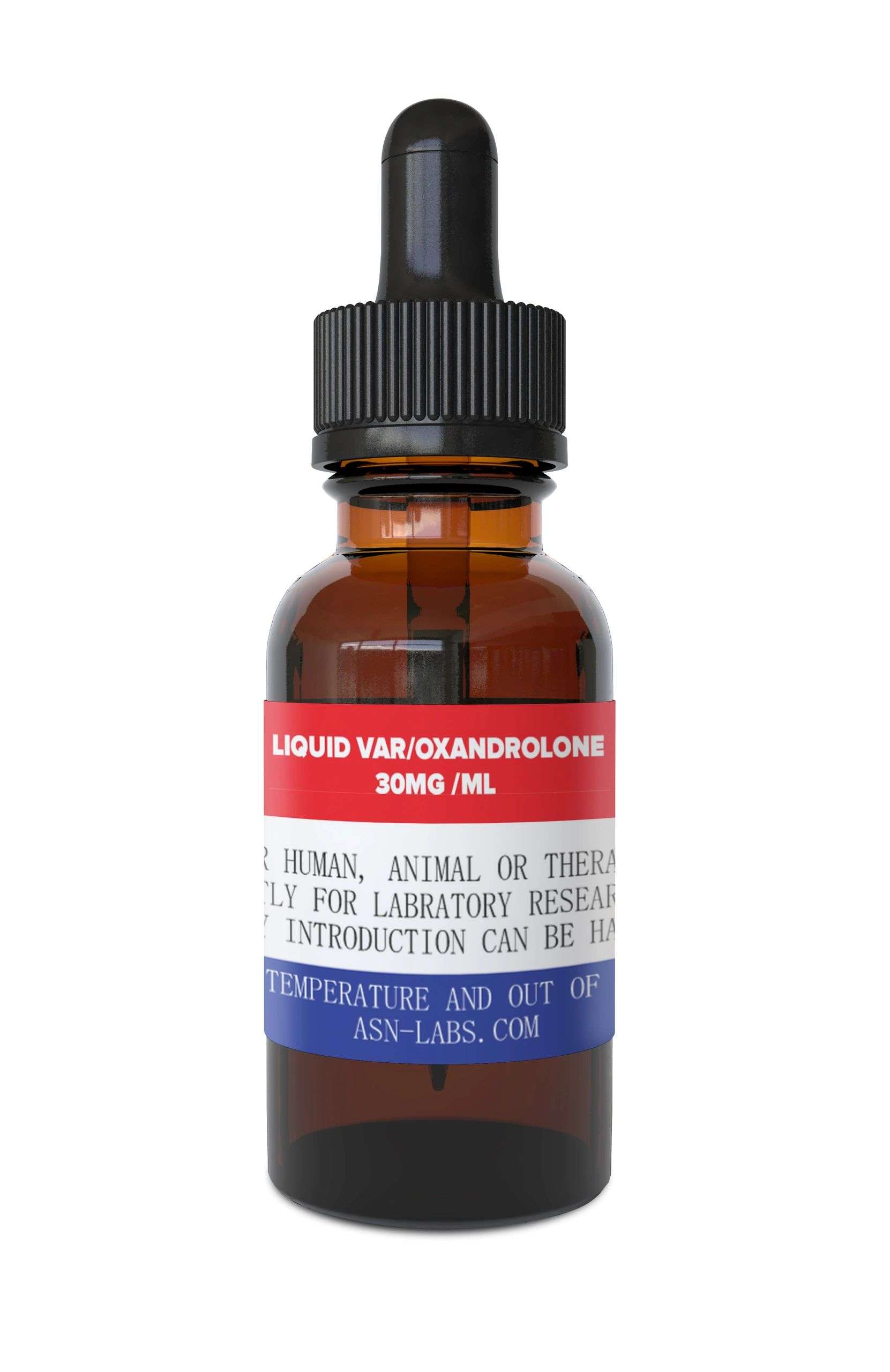
A compound name on a label is not proof of what is in the vial. For serious buyers and research-minded customers, that distinction is where the real question begins: what are research chemicals, and what separates a professionally documented material from an unknown product sold with big promises?
Research chemicals sit at the intersection of chemistry, pharmacology, and emerging scientific interest. They can include compounds being evaluated for receptor activity, metabolic pathways, cellular signaling, cognition, recovery-related mechanisms, and other research applications. Some are established tools in laboratory settings. Others are newer compounds with limited published data, evolving regulatory treatment, or both.
The category is broad. The standard for evaluating it should not be.
What Are Research Chemicals?
Research chemicals are chemical compounds supplied for scientific, analytical, educational, or laboratory research purposes. They may be used to study how a molecule behaves, interacts with a target, affects a pathway, or compares with related compounds in a controlled research setting.
The term does not describe one specific type of product. It can cover peptides, selective androgen receptor modulators (SARMs), nootropics, metabolic research compounds, reference materials, and other specialty molecules. What connects them is their intended research context, not a single chemical structure or a universal legal classification.
That last point matters. A compound may be legal to possess for certain research purposes while not being approved as a drug, dietary supplement, or product for human consumption. Regulatory status can vary by compound, formulation, jurisdiction, and intended use. Marketing language does not override those boundaries.
For buyers, the practical takeaway is simple: research-use labeling is not a loophole or a substitute for compliance. It is a statement of intended use. Legitimate suppliers make that limitation clear and support it with product documentation rather than vague claims.
Why This Category Draws So Much Attention
Research chemicals attract attention because they often relate to high-interest areas of performance and optimization. Researchers may examine SARMs for selective receptor activity, peptides for signaling pathways, nootropics for cognitive mechanisms, or metabolic compounds for their activity in relevant biological models.
That scientific interest does not automatically translate into established real-world outcomes. A promising mechanism is not the same thing as validated efficacy. Results from cell work, animal research, early-stage studies, or anecdotal discussion cannot be treated as interchangeable evidence.
This is where disciplined evaluation wins. The more active discussion a compound generates online, the more important it becomes to separate verified chemistry from speculation, research from consumption, and analytical evidence from marketing noise.
Research Chemicals Are Not All the Same
Lumping every specialty compound into one category creates confusion. Different classes present different research questions, handling requirements, stability profiles, and documentation needs.
SARMs
SARMs are compounds studied for their interaction with androgen receptors and their potential tissue-selective activity. They are frequently discussed in performance and body-composition circles, but their research status and regulatory considerations require careful attention. Product identity, analytical verification, and intended-use compliance matter substantially in this category.
Peptides
Peptides are short chains of amino acids used in a wide range of scientific research. Depending on the sequence, they may be studied in relation to signaling, receptor binding, immune pathways, tissue models, or metabolic processes. Peptide quality depends heavily on identity confirmation, purity testing, storage conditions, and batch consistency.
Nootropics and Cognitive Research Compounds
This category includes compounds investigated for neurological, cognitive, or neurochemical pathways. The evidence base varies widely. Some materials have a substantial research history, while others are newer and less characterized. Serious evaluation means paying attention to the depth and quality of available data, not just the appeal of a cognitive-performance narrative.
Metabolic and Weight-Management Research Compounds
Metabolic research may focus on appetite signaling, glucose regulation, energy balance, receptor agonism, or related pathways. These compounds generate significant interest, but they also demand precision. A small error in identity, concentration, purity, or storage can compromise research integrity before a study even begins.
Purity Is More Than a Marketing Word
For any research material, purity is central because impurities can distort findings. If a sample contains an unexpected byproduct, residual solvent, degradation compound, or incorrect active material, the resulting data may be unreliable.
A purity claim without supporting evidence is only a claim. A credible research supplier should be able to connect a product to a batch and provide documentation that identifies the material and reports relevant analytical results. Depending on the compound, that may include high-performance liquid chromatography testing, mass spectrometry, microbial testing where appropriate, or other methods used to assess identity and quality.
A certificate of analysis is useful, but it should be read critically. Look for a batch or lot number that matches the product, a named analyte, a reported result, a test method, and a testing source. Generic reports with no matching identifiers provide far less confidence than batch-specific documentation.
For precision-focused buyers, consistency matters just as much as the headline purity percentage. A supplier that can repeatedly deliver accurately labeled, professionally packaged research materials is more valuable than one that relies on aggressive claims and inconsistent inventory.
How to Assess a Research Chemical Supplier
The fastest route to a poor research outcome is treating sourcing as an afterthought. Price can matter, but the lowest listed price may become expensive when material quality, documentation, shipping, or customer support fails.
When evaluating a supplier, focus on four practical standards:
- Transparent testing: Products should have batch-specific analytical documentation that is relevant to the compound being sold.
- Clear research-use positioning: Responsible suppliers state that materials are not intended for human or veterinary use and avoid disguising that limitation.
- Professional manufacturing and handling: Look for clear standards around production controls, packaging, storage, and traceability. USA-based manufacturing and GMP-oriented practices can add confidence when they are backed by meaningful process transparency.
- Reliable fulfillment: Accurate inventory, secure packaging, responsive support, and fast domestic shipping help protect time-sensitive research schedules.
No supplier can eliminate the need for independent due diligence. But transparent operations reduce avoidable uncertainty. That is particularly valuable when working with compounds that are sensitive to heat, moisture, light, oxidation, or repeated handling.
Documentation, Storage, and Chain of Custody
Quality does not end when a product leaves a facility. Research materials can degrade when stored improperly, exposed to unsuitable temperatures, or transferred without appropriate controls. The supplier’s packaging and shipping practices are part of the quality equation, especially for sensitive peptide and specialty-compound categories.
Buyers should retain product labels, lot numbers, certificates of analysis, purchase records, and storage information. This creates a basic chain of custody and makes it easier to identify potential variables if results are inconsistent.
Documentation also supports better decision-making before a purchase. If a supplier cannot explain what is being sold, how it was tested, or how it should be stored for research handling, that lack of clarity is itself useful information.
The Difference Between Research Interest and Proven Results
Research chemicals are often surrounded by confident language. The compound is described as cutting-edge, game-changing, or essential for a specific goal. Those labels may be effective marketing, but they are not scientific evidence.
A credible approach asks more demanding questions. What is known about the compound’s identity? What evidence exists for the mechanism being discussed? Is the available research early, preclinical, mixed, or well-established? Are there legal restrictions or safety concerns that limit how it can be handled or studied?
It depends is often the most honest answer. The significance of a research chemical depends on the specific molecule, the quality of the available evidence, the design of the research, and the integrity of the material itself.
A Higher Standard for Research Materials
Research chemicals are not defined by hype, and they should never be chosen by hype. They are specialized materials that demand accurate labeling, verifiable testing, careful handling, and strict respect for research-use boundaries.
For performance-minded researchers and buyers, the strongest move is to raise the standard at the source. Choose documented materials, verify the batch, respect applicable rules, and treat every purchase as part of a larger commitment to precision. Quality chemistry starts long before any research begins.