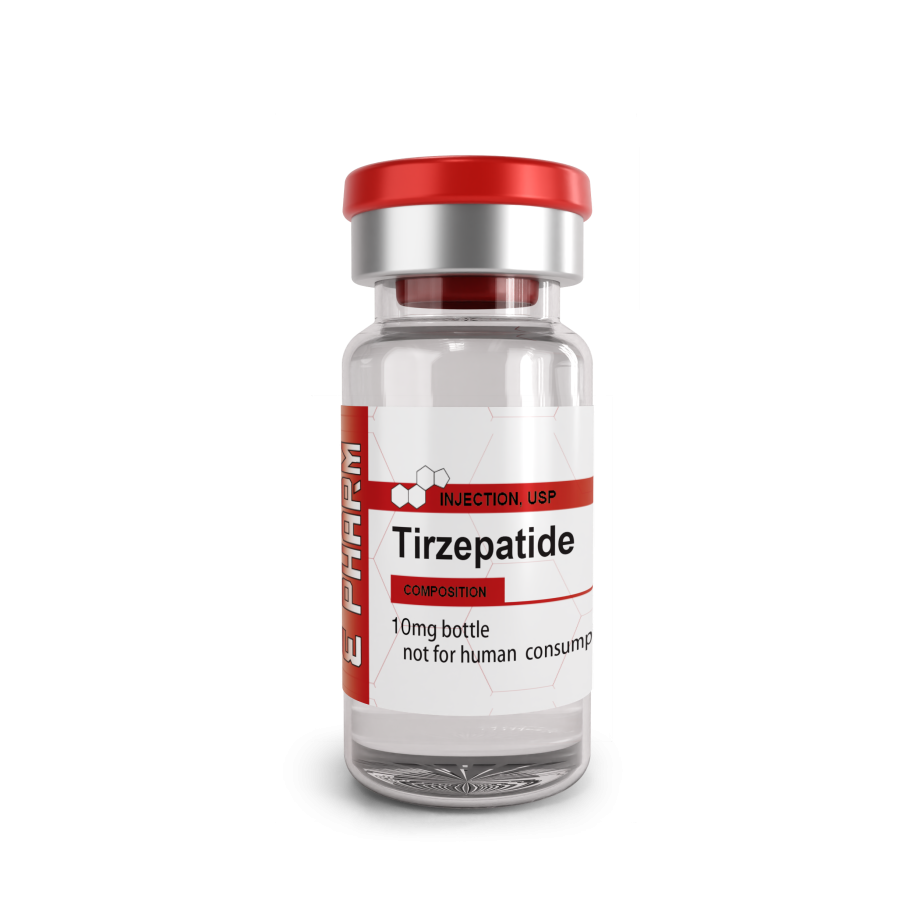
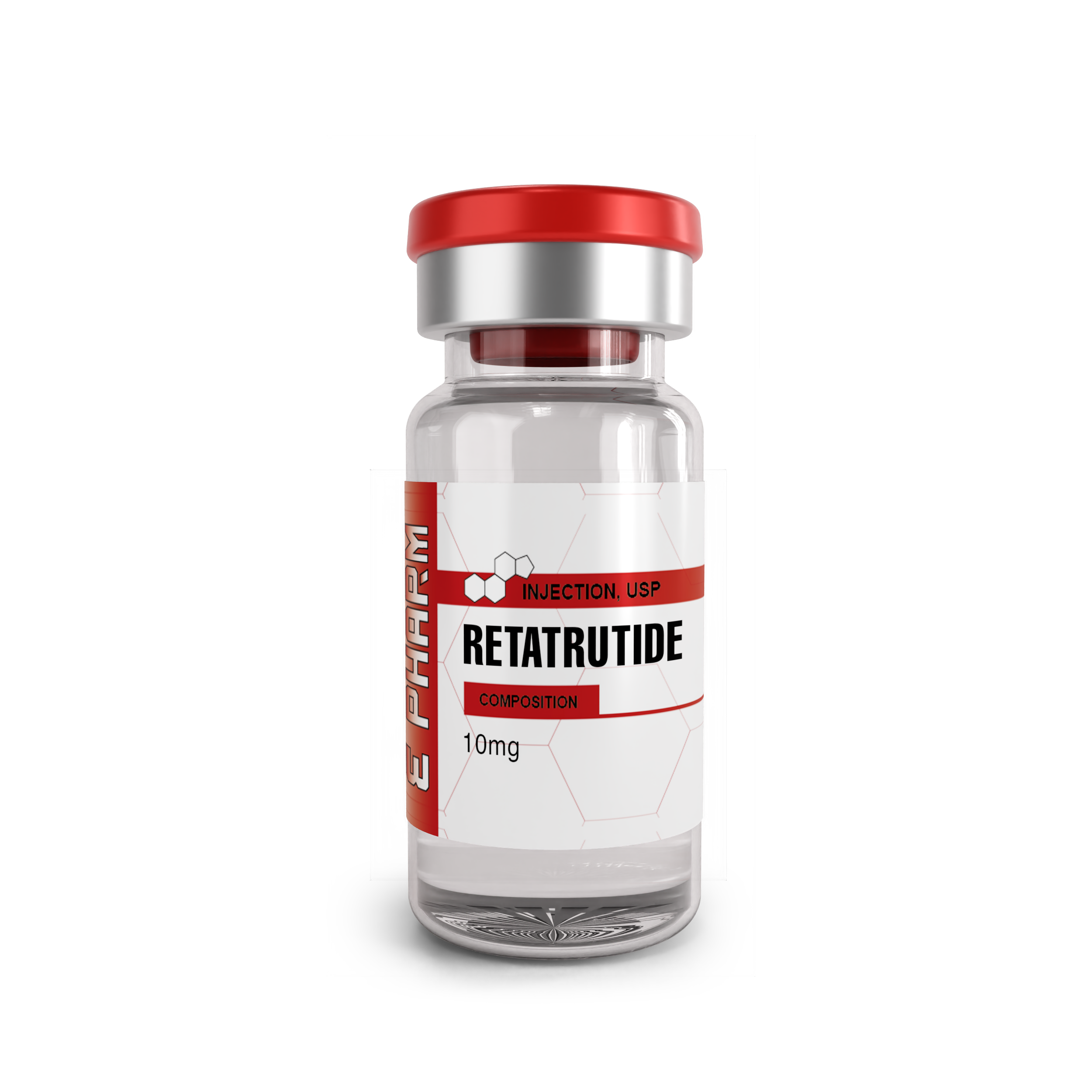
 Orders placed between June 24 and July 5 may experience slight processing delays due to inventory reconciliation and warehouse maintenance.



A compound can generate attention long before the evidence catches up. That is especially true with research peptides for weight loss, where interest often centers on appetite signaling, glucose regulation, energy balance, and changes in body composition. For serious researchers, the standard cannot be hype or a label claim. It has to be identity, purity, study design, and a clear understanding of what the data can – and cannot – support.
Peptides are short chains of amino acids designed to interact with specific biological targets. Their precision is part of the appeal. Unlike broad-stroke stimulant approaches, peptide research often examines defined signaling pathways involved in hunger, satiety, insulin response, gastric emptying, fat metabolism, and lean-mass retention. But targeted activity does not automatically equal predictable outcomes. Metabolic biology is complex, and the quality of the material and the quality of the research both matter.
Why Research Peptides for Weight Loss Draw Attention
The most closely watched weight-management peptide research involves incretin-related pathways. These pathways influence how the body responds to meals and communicate with areas of the brain involved in appetite and satiety. Researchers are interested in whether selective activation of these receptors may affect calorie intake, glycemic control, and body-weight trends over time.
Some investigational compounds focus on a single pathway, while others are engineered to examine activity across more than one receptor. That distinction matters. Multi-pathway research may produce a different metabolic profile than single-target research, but it can also introduce more variables. A stronger mechanism on paper is not a substitute for controlled, reproducible evidence.
Body composition is another reason this category receives attention. A lower number on the scale does not necessarily reflect a favorable shift in fat mass, lean tissue, hydration, or performance capacity. Well-designed research looks beyond total weight and considers the full picture: food intake, activity level, metabolic markers, tissue composition, and the duration of observed effects.
The Mechanisms Worth Understanding
Appetite regulation is the headline mechanism, but it is not the only one. Peptide-based metabolic research may explore how signaling changes meal size, food preference, post-meal fullness, and the pace at which nutrients move through the digestive system. These factors can influence energy intake, yet they vary widely across experimental settings.
Glucose and insulin signaling are also central. Metabolic health and body-weight regulation overlap, but they are not identical goals. A compound that changes a glycemic marker in a research model does not automatically demonstrate meaningful or durable body-composition effects. Researchers should avoid treating isolated biomarkers as a finished answer.
Energy expenditure is often discussed with more certainty than the evidence deserves. Appetite-related pathways may alter intake more directly than they alter the number of calories expended at rest. Depending on the compound and the study model, changes in body weight may be driven primarily by reduced energy consumption rather than a dramatic increase in metabolic rate.
The lean-mass question deserves equal attention. Any weight-management model that ignores muscle retention is incomplete, particularly for performance-focused research. Reduced intake, training status, protein availability, and the speed of weight change can all affect lean tissue outcomes. Weight loss without context is just a number.
Purity Is a Research Variable, Not a Marketing Detail
In peptide research, analytical quality is foundational. A product label alone does not establish identity, concentration, or purity. If the material is inconsistent, degraded, mislabeled, or contaminated, the resulting data may be unreliable before the experiment even begins.
A disciplined sourcing standard starts with transparent batch documentation and independent analytical testing. Researchers commonly look for methods such as high-performance liquid chromatography to assess purity and mass spectrometry to help verify molecular identity. Lot-level traceability, controlled handling, and clear storage information further strengthen confidence that the material being evaluated matches the intended compound.
Peptides can be sensitive to environmental conditions. Heat, light, moisture, repeated handling, and poor storage practices can compromise integrity. That makes chain-of-custody discipline more than an operational preference. It is part of experimental control.
ASN-LABS positions its research compounds around lab-tested quality, USA-based manufacturing standards, and professional fulfillment because consistency is the baseline serious buyers should demand. Research-grade sourcing should be evaluated with the same skepticism applied to the study itself: verify the documentation, examine the batch information, and reject vague purity claims.
What Strong Weight-Management Research Looks Like
The difference between a compelling result and a misleading one often comes down to study design. Research involving metabolic peptides should establish a clear hypothesis before data collection begins. Is the question about appetite signaling, body composition, glucose handling, receptor activity, or a combination of endpoints? Blending every possible goal into one vague outcome invites weak interpretation.
Controls are essential. A useful experimental framework accounts for baseline differences, dietary conditions, movement or training variables, timing of measurements, and relevant comparator groups. When researchers track body weight, they should also consider the conditions surrounding that measurement. Hydration shifts and short-term dietary changes can create noise that looks meaningful when it is not.
Duration matters as well. Early changes may not reflect sustained adaptation. In metabolic research, a short observation period can identify an initial signal, but it cannot answer every question about durability, compensation, tolerability, or longer-term body-composition effects.
Reproducibility is the standard that separates a promising observation from a dependable finding. Can the result be observed under similar conditions using verified material? Does it align with the broader body of evidence, or does it stand alone? Precision-driven research does not chase a single favorable data point.
Common Errors That Weaken the Data
The first error is treating peptide research as a shortcut rather than a controlled investigation. Metabolic outcomes are shaped by multiple variables, and a compound cannot be meaningfully assessed when the surrounding conditions are undefined.
The second is overreading mechanism. Receptor activity, preclinical findings, and early observations can guide a hypothesis, but they do not establish an outcome in every model. Translation from one research context to another is never automatic.
The third is overlooking product verification. Low-quality material can distort an entire project. Researchers focused on measurable outcomes should be equally focused on measurable quality standards.
Finally, researchers should avoid confusing research-use materials with approved treatments. Many peptides discussed in metabolic circles are investigational, restricted to research contexts, or subject to specific regulatory oversight. Research compounds are not intended for human consumption, diagnosis, treatment, or self-directed weight management. Any clinical decision belongs with a qualified healthcare professional using legally prescribed, approved therapies where appropriate.
A More Disciplined Way to Evaluate the Category
The most productive question is not, “Which peptide is strongest?” It is, “What exact hypothesis is this material suited to test, and is the evidence quality high enough to justify the attention?” That shift filters out speculation and puts the focus back on scientific discipline.
For researchers evaluating this space, start with the target pathway and expected endpoint. Then evaluate available evidence, confirm the quality controls behind the material, and build a method capable of distinguishing a real signal from noise. Appetite, scale weight, body composition, metabolic markers, and performance capacity should not be treated as interchangeable outcomes.
Weight-management science rewards precision. The most credible work will come from researchers who demand clean materials, controlled conditions, transparent records, and conclusions no larger than the data can support.