 Orders placed between June 24 and July 5 may experience slight processing delays due to inventory reconciliation and warehouse maintenance.



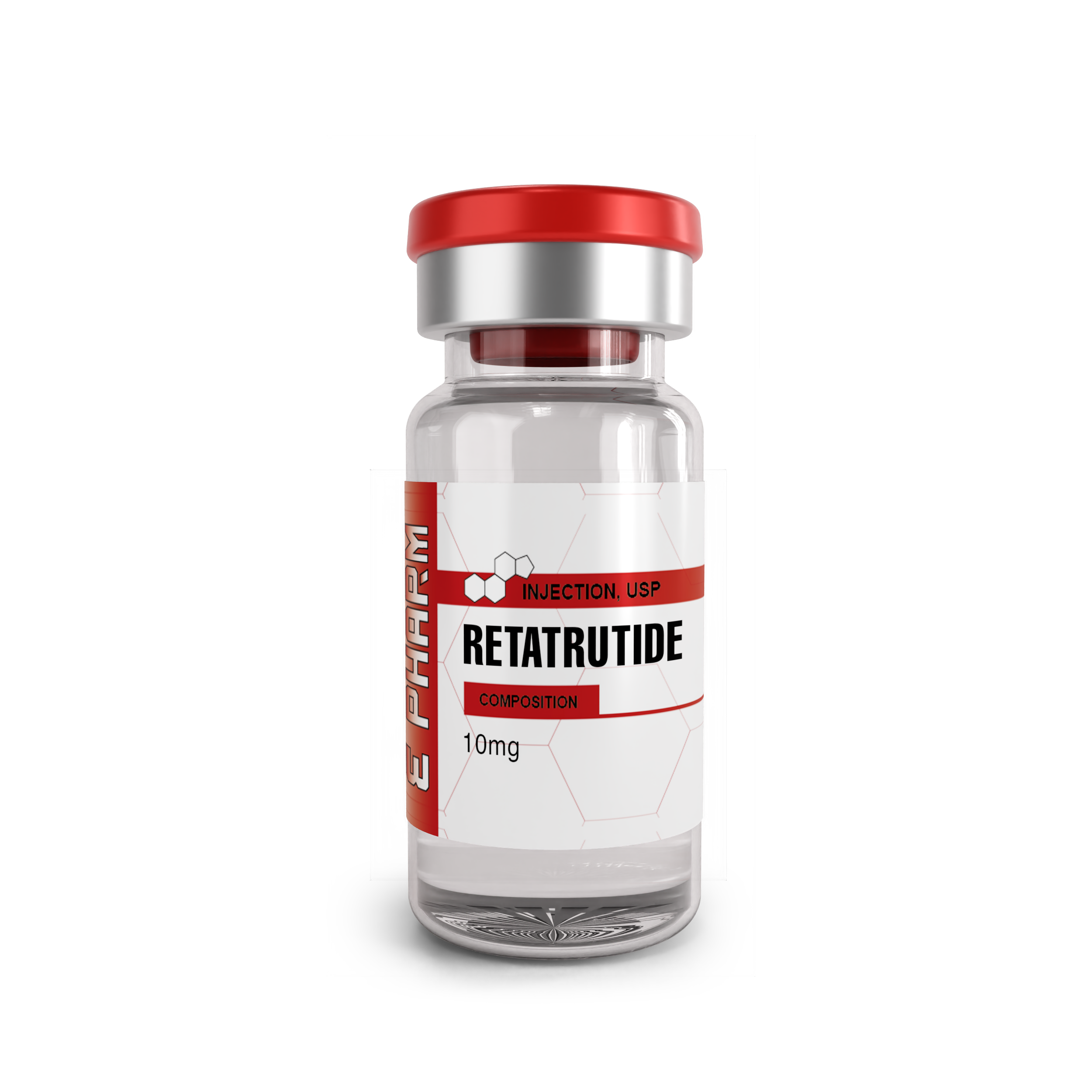
Retatrutide is drawing serious attention because it is designed to engage three metabolic signaling targets in a single investigational peptide. That makes retatrutide for research use a category where precision matters from the first supplier review through final documentation. A vague purity claim, missing batch data, or weak handling controls can compromise meaningful work before the study begins.
Retatrutide remains an investigational compound. It is not approved by the FDA for human use and must be handled strictly within lawful research-use parameters. For researchers and knowledgeable buyers evaluating this category, the standard should be clear: verify the material, verify the records, and verify that the supplier treats quality as a measurable process rather than a marketing phrase.
Why Retatrutide Has Become a Major Research Focus
Retatrutide is commonly described in scientific literature as a triple agonist with activity involving the GLP-1, GIP, and glucagon receptors. Each pathway has a distinct role in metabolic research, and the combined receptor profile is what separates retatrutide from compounds built around a single signaling target.
GLP-1-related research often examines appetite signaling, glucose-dependent insulin activity, and gastric emptying pathways. GIP research adds another incretin-related dimension, while glucagon receptor activity introduces questions around energy expenditure, substrate utilization, and metabolic balance. The value of retatrutide as a research subject lies in the interaction of these mechanisms, not in reducing the compound to a one-line claim.
That complexity also raises the bar for material quality. Researchers assessing receptor activity, stability, degradation behavior, or comparative signaling need confidence that observed outcomes relate to the intended analyte rather than impurities, incorrect identity, inconsistent concentration, or poor storage history.
Retatrutide for Research Use Requires Identity Verification
A product label alone is not identity verification. A reliable research chemical supplier should be able to connect the supplied material to a defined batch and analytical record. For a peptide such as retatrutide, that record should establish what was tested, which batch was tested, when testing occurred, and how the result relates to the material being offered.
High-performance liquid chromatography is widely used to assess purity profiles. Mass spectrometry can support molecular identity confirmation. These methods answer different questions: chromatography helps characterize the primary peak and detectable impurities, while mass analysis helps confirm whether the molecular mass aligns with the expected peptide. Strong documentation makes the scope of each test understandable rather than presenting a generic percentage with no context.
A certificate of analysis is useful only when it is batch-specific, readable, and consistent with the product details. Look for lot identification, testing date, method references, reported result, and clear supplier attribution. If a certificate appears recycled across unrelated lots or omits the actual material identifier, it provides far less confidence than the headline purity number suggests.
Purity claims also need realistic interpretation. A high reported purity is meaningful, but it does not independently establish proper packaging, stability after shipment, concentration accuracy, or end-to-end chain of custody. Quality is cumulative. One attractive data point cannot replace a disciplined sourcing process.
What documentation should establish
The objective is not paperwork for its own sake. Documentation should allow a researcher to trace the material and make an informed decision about whether it is suitable for the intended non-human research setting. At a minimum, the file should support identity, stated purity, lot traceability, storage expectations, and supplier accountability.
For serious work, retain incoming records alongside internal receipt dates and storage logs. This provides continuity if later results require review. It also distinguishes controlled research handling from casual, unverifiable sourcing.
Purity Is Only One Part of Research-Grade Quality
Peptides are sensitive materials. Even a correctly identified, high-purity batch can become less dependable when it is exposed to unsuitable temperatures, moisture, repeated handling, or extended storage outside defined conditions. The practical question is not simply, “Was this material pure when tested?” It is, “Has the material been protected from the point of testing to the point of use?”
Packaging and fulfillment practices matter here. Appropriate sealed containers, clear labeling, protective shipping measures, and transparent storage instructions all support research continuity. Fast domestic fulfillment can reduce transit uncertainty, but speed should never be treated as a substitute for proper temperature-aware packaging and batch control.
Researchers should follow the storage guidance associated with the specific material and maintain internal controls appropriate to their environment. Avoid relying on assumptions borrowed from unrelated peptides. Molecular structure, formulation state, container type, and study timeline can all affect handling decisions.
There is also a difference between a supplier that sells a compound and a supplier that can support a quality-centered purchasing decision. Trusted sourcing means clear product specifications, accessible records, consistent labeling, and professional customer communication. ASN-LABS positions its research catalog around those standards: lab-tested materials, USA-based manufacturing priorities, and a research-use framework built for buyers who demand traceability.
Research Context: Ask Better Questions of Retatrutide Data
Because retatrutide is associated with multiple receptor pathways, simplistic interpretations can create weak research design. The central value of a triple agonist is not that it automatically produces a predetermined outcome. It is that it offers a defined tool for investigating coordinated metabolic signaling.
A well-framed research question might examine comparative receptor engagement, downstream signaling patterns, analyte stability, assay behavior, or how results differ relative to a single-pathway comparator. The right question depends on the model, assay, controls, and endpoint. It also depends on whether the work is exploratory, analytical, or mechanistic.
Researchers should be careful when translating findings across settings. Results in one experimental model do not automatically predict another. Assay conditions, species differences, receptor expression, baseline metabolic state, and study duration can each change how data should be interpreted. That is not a weakness of the compound. It is the reality of serious research.
Quality materials help reduce avoidable uncertainty, but they do not eliminate scientific uncertainty. Good sourcing and good study design work together. One cannot compensate for the other.
Compliance Is Part of Supplier Credibility
The phrase “for research use only” should represent an actual operating boundary, not decorative language. Retatrutide should not be represented as a dietary supplement, prescription substitute, or product intended for human consumption. Any supplier that blurs these lines creates unnecessary risk for buyers and undermines the professional standards expected in the research compound market.
A credible research-use position includes accurate labeling, appropriate product descriptions, documented testing claims, and clear limitations around intended use. It also means avoiding promises that exceed available evidence. Technical confidence is earned through precision, not exaggerated outcomes.
For buyers, this is a useful filter. Evaluate whether the supplier communicates like a controlled research-material provider or relies on hype with little supporting detail. A premium research chemical operation should be prepared to stand behind its batch records, packaging standards, and product consistency without making claims that do not belong in a research-use category.
A Practical Standard for Evaluating Suppliers
When comparing retatrutide sources, start with traceability rather than price alone. Lower cost can be relevant, but a lower entry price means little if the material cannot be tied to credible testing, clear lot records, and dependable handling practices. The real cost of a questionable batch is not limited to the invoice. It can include lost time, uncertain data, repeated testing, and compromised project confidence.
Look for a supplier that presents exact product identity, batch-aware documentation, transparent purity information, professionally labeled packaging, and direct statements about research-only status. Domestic operations and efficient shipping can add practical value, particularly when they are paired with responsible fulfillment standards. Still, each batch should be assessed on its own records rather than assumed to be identical to the last one.
Retatrutide research rewards disciplined decisions. Start with a clearly defined research question, insist on traceable material, maintain clean handling records, and let verified quality set the baseline for every result that follows.