 Orders placed between June 24 and July 5 may experience slight processing delays due to inventory reconciliation and warehouse maintenance.



A peptide label that says “99% purity” is not proof. For serious research, the number only matters when it is tied to a specific lot, a defined analytical method, and documentation you can inspect. Knowing how to verify peptide purity means looking past marketing claims and evaluating the evidence behind the vial.
Peptides are sensitive, complex materials. A result can be affected by synthesis quality, purification, handling, transport conditions, and storage. The strongest suppliers treat purity as a documented quality-control standard, not a number printed on a product page.
Start With a Batch-Specific Certificate of Analysis
A certificate of analysis, or COA, is the first document to request. The key word is batch-specific. A generic report for a compound does not establish the quality of the material currently offered for sale. The lot number on the COA should match the lot number on the product label or packaging.
Review whether the report identifies the peptide by name, batch number, test date, analytical method, result, and testing laboratory. It should also state the reported purity as a percentage. A professional COA includes enough information for a buyer or research team to understand what was tested rather than simply accepting an unverified claim.
A COA alone is not the finish line. It is a summary document, and its value depends on the underlying data. If a supplier cannot provide a lot-matched COA or avoids basic questions about testing, that is a signal to move on.
How to Verify Peptide Purity With HPLC Data
High-performance liquid chromatography, usually abbreviated as HPLC, is one of the most common methods used to assess peptide purity. UPLC may also be used. These methods separate components in a sample, allowing the analyst to estimate how much of the tested material corresponds to the primary peptide peak versus impurities.
Ask to see the chromatogram when it is available. A clean chromatogram typically shows one dominant peak at the expected retention time. Smaller peaks may reflect synthesis-related impurities, deletion sequences, oxidation products, solvent remnants, or other closely related materials. A stated purity percentage should align with what the chromatogram shows.
Do not assume that a single tall peak automatically proves exceptional quality. The method parameters matter. Detection wavelength, column type, gradient, sample preparation, and integration settings can all affect the result. For most buyers, the practical standard is straightforward: the supplier should be able to identify the method used, show a credible chromatogram, and connect it to the exact lot being sold.
HPLC purity also does not prove identity by itself. A clean-looking peak only indicates a predominant component under that testing method. That component must still be confirmed as the intended peptide.
Confirm Identity With Mass Spectrometry
Mass spectrometry, commonly shown as LC-MS or MS data, provides critical identity support. It measures mass-to-charge ratios and helps confirm that the primary material has the expected molecular weight for the target peptide.
When reviewing a mass spectrum, check that the reported calculated mass and observed mass are reasonably aligned. Peptides often appear with multiple charge states, so the spectrum may not look like a single simple line. What matters is whether the analytical interpretation clearly supports the expected molecular mass.
This is why HPLC and LC-MS work better together than either method alone. HPLC estimates chemical purity. Mass spectrometry supports identity. A supplier presenting both is offering a substantially stronger quality case than one relying on a broad “high purity” statement with no supporting records.
For more demanding research requirements, additional characterization may be appropriate. Amino acid analysis, peptide mapping, or sequence confirmation can add confidence, particularly for longer peptides or projects where sequence accuracy is central. The right level of testing depends on the compound, the experimental design, and the risk tolerance of the research program.
Check What “Purity” Includes – and What It Does Not
Purity is not a universal, all-inclusive measure. A peptide can meet a high HPLC purity result while still requiring separate assessment for other quality attributes. The COA or supporting documentation should make clear whether the reported number is based on area percentage, mass balance, or another calculation.
For lyophilized peptide materials, water content can matter. Residual solvents may matter, especially where synthesis and purification processes use organic solvents. Counterions, such as acetate or trifluoroacetate, can affect the material’s reported mass and composition. Depending on the research application, bioburden, endotoxin, and microbial testing may also be relevant.
These are not reasons to reject every product without an exhaustive analytical package. They are reasons to match the documentation to the intended research standard. A basic screening project may prioritize identity, HPLC purity, and lot traceability. A more sensitive analytical or biological research setting may require a deeper release panel.
Evaluate the Supplier’s Testing Chain
Reliable documentation has a traceable story behind it. Look for a supplier that can explain whether testing is performed in-house, by an independent third-party laboratory, or through a combination of both. Third-party testing can add objectivity, but the report should still be current, legible, and tied to the exact batch.
The strongest quality systems also include controlled manufacturing records, defined specifications, and documented release procedures. “GMP-certified” should never be used as a vague decoration. Ask what standard applies to the facility or process and what controls are actually in place. GMP-oriented practices, trained personnel, controlled environments, and lot-level records are meaningful when they are supported by evidence.
ASN-LABS emphasizes lab-tested, USA-manufactured research compounds because sourcing discipline is not optional when consistency is the objective. Still, buyers should evaluate every lot on its own documentation rather than treating any brand name as a substitute for verification.
Watch for Documentation Red Flags
Low-quality suppliers often rely on presentation instead of proof. A polished product image, an aggressive purity claim, or a downloadable report without a lot number does not establish material quality.
Be cautious when you encounter these warning signs:
- A COA with no batch or lot identifier, no test date, or no named analytical method.
- The same report attached to every peptide product regardless of product strength or batch.
- Purity claims without a chromatogram, mass data, or explanation of how the result was generated.
- Obvious mismatches between the product label, compound name, lot number, and COA.
- Reports that appear edited, incomplete, poorly scanned, or missing laboratory identification.
- A supplier that refuses reasonable pre-purchase questions about testing or storage.
One red flag is not always definitive. Administrative errors happen. But several gaps at once usually indicate that quality assurance is being treated as a marketing layer rather than an operating standard.
Do Not Ignore Packaging and Storage Controls
Even accurately tested material can be compromised after release if it is packaged or stored poorly. Peptides may be vulnerable to moisture, heat, light, oxidation, and repeated temperature swings. Review the stated storage conditions and confirm that packaging is appropriate for protecting a lyophilized material.
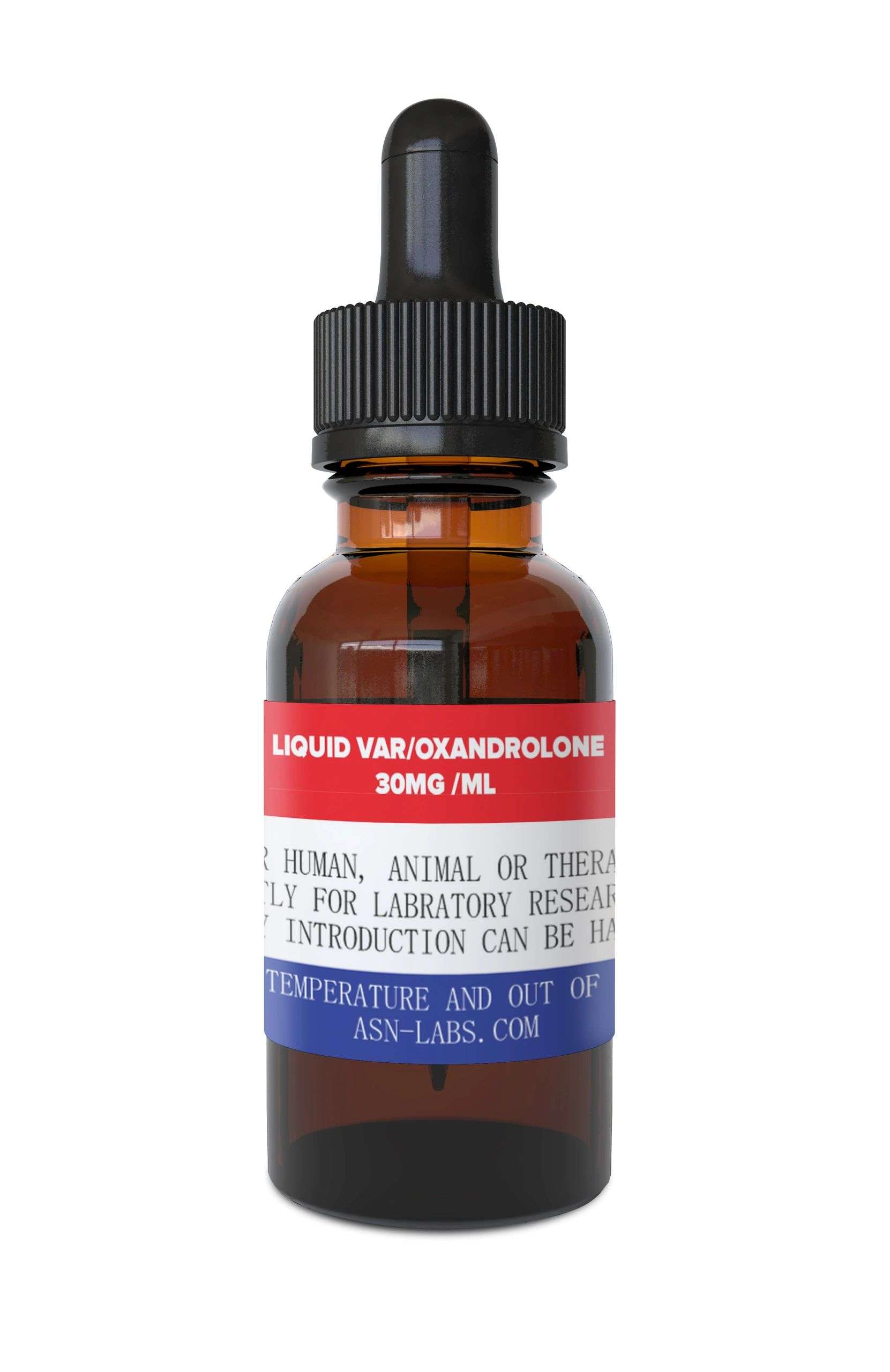
A quality-focused supplier should use clearly labeled containers with lot identification, compound name, and relevant storage guidance. Consider the shipping process as well. Extreme weather, extended transit times, and unclear fulfillment practices can introduce avoidable uncertainty.
Visual inspection has limits, but packaging condition still matters. Broken seals, missing labels, unexplained discoloration, or visible moisture exposure justify further questions before the material enters a research workflow. Never use appearance as a replacement for analytical verification, but do treat poor presentation as a potential handling concern.
Build a Repeatable Verification Standard
The most efficient approach is to apply the same buying standard every time. Confirm the lot number, review the COA, look for HPLC or UPLC purity data, verify mass spectrometry support, and assess whether the supplier can explain its testing and storage controls. Keep the records associated with each lot used in research.
That process creates consistency across orders and makes it easier to identify whether unexpected research results may be connected to material variation. It also prevents a common mistake: evaluating a supplier only once, then assuming every future batch meets the same standard.
Precision starts before a vial reaches the bench. Choose documented evidence over broad claims, insist on lot-level transparency, and treat every batch as a quality decision.