 Orders placed between June 24 and July 5 may experience slight processing delays due to inventory reconciliation and warehouse maintenance.



A peptide label is not proof of peptide quality. For researchers and serious compound buyers, research peptides must be evaluated on what stands behind the vial: verified identity, meaningful purity data, controlled manufacturing, lot-level consistency, and packaging that protects the material before it reaches the lab. When the work depends on precise inputs, the source is part of the experiment.
What Research Peptides Are Designed to Do
Research peptides are short chains of amino acids used to examine biological signaling, receptor activity, molecular pathways, analytical behavior, and stability characteristics. Their significance comes from specificity. Small differences in sequence, purity, degradation profile, or storage history can change how a material behaves under study.
That precision makes peptides fundamentally different from generic wellness products or loosely labeled supplements. A compound may be associated with topics such as tissue signaling, metabolic pathways, recovery mechanisms, immune research, or body-composition models, but a credible research material is not defined by marketing language. It is defined by whether its composition and documentation can support controlled, repeatable work.
For that reason, research-grade sourcing is not a minor purchasing detail. It is a quality-control decision. A low-confidence vial can introduce uncertainty before a protocol even begins, creating noise that no amount of careful data review can fully correct.
The Quality Standard for Research Peptides
The strongest peptide suppliers do not ask buyers to accept broad claims at face value. They make quality visible through disciplined processes and documentation. Purity matters, but purity alone is not the entire conversation.
A reported purity percentage can help assess the proportion of the intended material in a sample. It does not automatically establish that the intended peptide sequence is correct, that the product has been handled appropriately, or that the same standard applies to every future lot. Identity confirmation, analytical testing, batch traceability, and protective fulfillment all contribute to a more complete picture.
Identity and purity answer different questions
Identity asks whether the material is actually the compound stated on the label. Purity asks how much of the sample corresponds to that intended material versus related impurities, residuals, or degradation products. Both are essential.
A high-purity result without credible identity verification leaves a gap. Likewise, a correctly identified compound with poor purity may not be suitable for research that requires tight analytical control. Experienced buyers look for evidence that the supplier understands this distinction rather than reducing quality to one oversized number on a product page.
Lot-level documentation creates accountability
A certificate of analysis, or COA, should be more than decorative paperwork. Useful documentation connects a specific lot to test results, identifies the material clearly, and gives the buyer a basis for evaluating the supplier’s controls. Independent or third-party testing can add another layer of confidence when it is current, relevant to the product, and tied to a traceable batch.
Documentation should also be read critically. Ask whether the test result corresponds to the exact item and lot being purchased, whether the analytical method is identified, and whether the reported result addresses the claim being made. Precision in the paperwork reflects precision in the operation.
Manufacturing and fulfillment protect the investment
Peptides are sensitive research materials. Even an accurately synthesized product can be compromised by careless packaging, extended transit exposure, or poor inventory handling. Quality-minded operations treat manufacturing, storage, packing, and shipping as one connected system.
Made-in-the-USA manufacturing, professional packaging, clear lot practices, and fast domestic fulfillment can reduce avoidable uncertainty for U.S. buyers. They are not substitutes for analytical data, but they support a purchasing process built around consistency rather than chance. The goal is simple: receive material that is as close as possible to the documented condition in which it was tested.
Research Peptides Require a Clearer Buying Framework
Performance-oriented research can create pressure to chase the newest compound, the lowest price, or the strongest headline. That is often where poor sourcing wins attention. A discount can look attractive until inconsistent material forces a project to be repeated or makes data difficult to interpret.
A better framework begins with the research question. Is the work centered on receptor interactions, peptide stability, molecular characterization, cellular signaling, or comparative analytical testing? The answer determines how much emphasis should be placed on sequence confidence, purity thresholds, formulation details, and documentation depth.
It also depends on the intended standard of the work. Exploratory research and highly controlled analytical programs do not always require the same level of supporting documentation. Still, every project benefits from knowing exactly what is known about the material and where uncertainty remains.
For buyers evaluating a supplier, four signals deserve attention:
- Clear research-use positioning that does not blur the line between laboratory materials and consumer products.
- Transparent quality claims supported by lot information and relevant analytical documentation.
- Consistent product presentation, professional packaging, and controlled domestic shipping practices.
- A supplier reputation built on reliability rather than exaggerated promises or vague purity language.
These signals cannot guarantee an experimental outcome. They can, however, help reduce preventable variables at the point of purchase.
Why Research-Use Compliance Matters
Credible suppliers maintain a clear boundary around research compounds. Research peptides are not approved consumer therapies, and they are not intended for human consumption, diagnosis, treatment, or prevention of disease. That distinction is not fine print. It is the foundation for responsible product positioning and responsible procurement.
Clear compliance language protects the integrity of the category. It keeps attention on proper laboratory research, analytical evaluation, and controlled study rather than unsupported personal-use claims. Buyers who value precision should expect this standard, not view it as an obstacle.
The same discipline applies after purchase. Materials should be handled only by qualified personnel in an appropriate research setting, with records that preserve lot information, receipt condition, and project context. If a result is unexpected, those records make it easier to separate a genuine observation from a sourcing, storage, or process variable.
The Cost of Treating Quality as an Afterthought
In peptide research, inconsistency rarely announces itself immediately. It can appear as conflicting data, unexplained variation, poor reproducibility, or uncertainty about whether a finding reflects the compound under study at all. That is why a premium sourcing standard is less about aesthetics and more about protecting the value of the research.
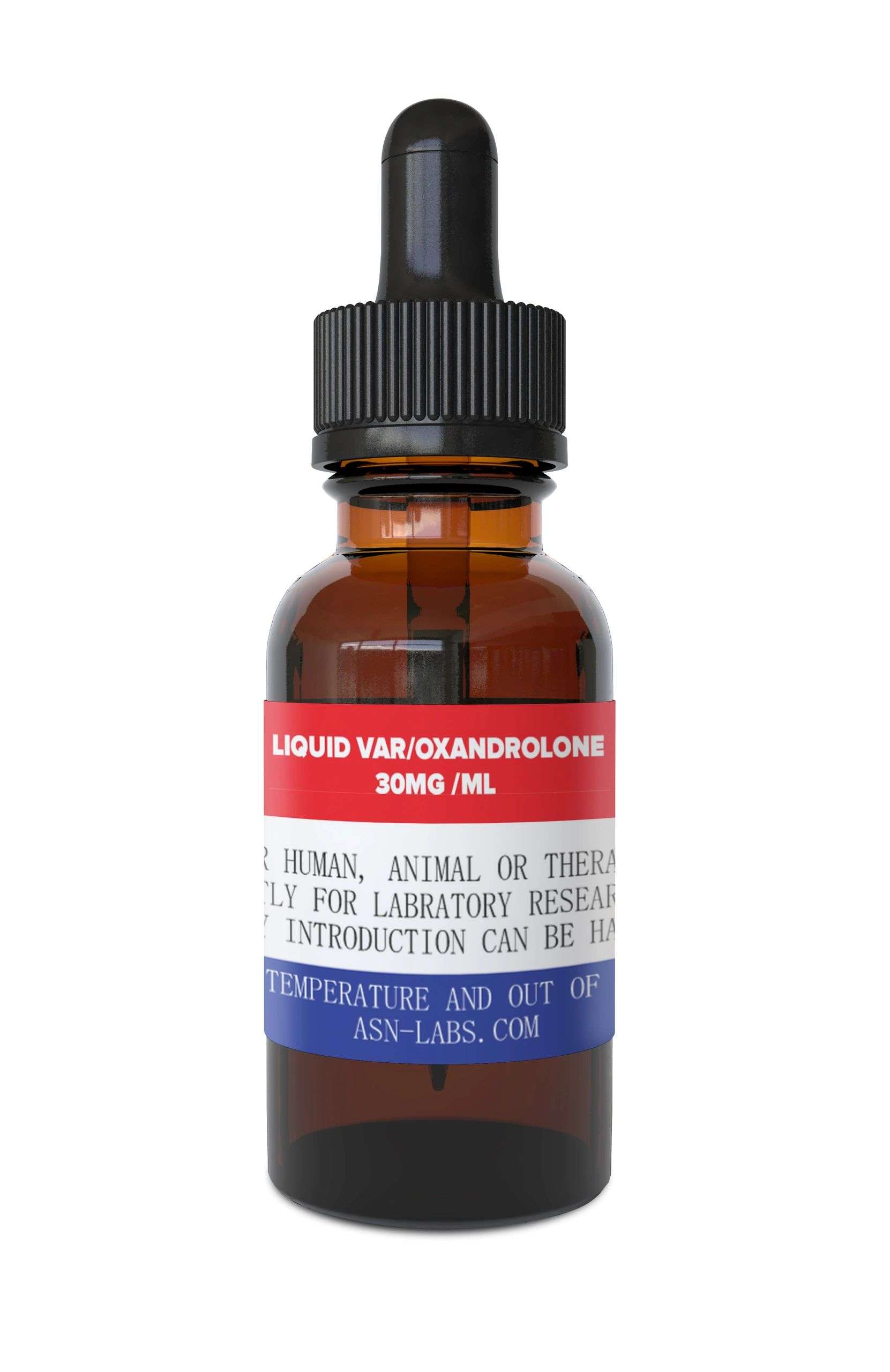
The right supplier should make confidence easier to build. Look for direct communication, a professional purchasing experience, transparent testing expectations, and a product catalog organized around serious research categories rather than hype. ASN-LABS approaches this market with a performance-focused standard built around lab-tested materials, U.S. manufacturing priorities, and dependable fulfillment for qualified research use.
The next time a peptide product catches your attention, look beyond the name and the price. Ask what supports the label, what verifies the lot, and whether the supplier treats precision as a claim or as an operating standard. Better research starts with materials that can stand up to scrutiny.