 Orders placed between June 24 and July 5 may experience slight processing delays due to inventory reconciliation and warehouse maintenance.



A product label does not decide legal status by itself. When buyers ask, are SARMs legal for research, the answer depends on the compound, the intended use, how it is marketed, and which federal and state rules apply. For legitimate laboratory work, precision matters just as much in compliance as it does in purity testing.
Are SARMs Legal for Research? The Direct Answer
SARMs are not a single legal category with one universal rule. In the United States, a SARM may be sold for legitimate in vitro or non-human research when it is accurately represented as a research chemical and handled within applicable laws. That does not mean the same compound is approved for human use, legal to sell as a dietary supplement, or permitted in competitive athletics.
The central distinction is purpose. Research-use materials are intended for controlled laboratory investigation, analytical work, and other non-human applications. Products represented for bodybuilding, fat loss, muscle gain, recovery, or any other human outcome can trigger a very different regulatory response.
A research-only label is not a workaround for human-use laws. If a seller’s marketing, product presentation, customer instructions, or surrounding claims suggest human consumption, the label alone offers little protection. Serious buyers should view research-use positioning as an operating standard, not a phrase printed on a bottle.
FDA Status: Not Approved for Human Consumption
No SARM is approved by the U.S. Food and Drug Administration for recreational physique enhancement or as an over-the-counter dietary supplement. The FDA has repeatedly warned that products marketed as SARMs may pose significant safety concerns and that SARMs cannot be lawfully marketed as dietary supplements.
This distinction matters because many compounds commonly discussed in performance circles have been investigated as potential drugs. Being investigated is not the same as being approved. A compound can have published research, a recognizable chemical name, and a substantial online market while still lacking FDA approval for consumer use.
For any project involving people, standard research-use material is not a substitute for an approved clinical pathway. Human studies can require institutional review, informed consent, appropriate investigational authorization, qualified oversight, and other safeguards. Purchasing a research chemical online does not create permission to administer it to human subjects.
Federal Law Is More Nuanced Than “Legal” or “Illegal”
People often assume that a compound is either legal everywhere or prohibited everywhere. The real framework is more technical. A substance may not be scheduled under the federal Controlled Substances Act while still being restricted by FDA rules governing drugs, supplements, labeling, interstate commerce, and intended use.
In other words, a compound’s absence from a controlled-substance schedule does not make it lawful to market for human consumption. Likewise, a seller’s research-use disclaimer does not automatically make every transaction compliant. Product claims, advertising language, buyer intent, documentation, and the specific substance involved can all affect the analysis.
Federal policy can also change. Proposed legislation, agency enforcement priorities, and state-level rules evolve. A disciplined lab or procurement team verifies the status of the exact compound before ordering, rather than relying on a broad statement about SARMs as a class.
Research Use Only Means Exactly That
A compliant research-use purchase begins with a clear, non-human research purpose. That includes controlled work such as receptor-binding investigation, analytical method development, stability evaluation, reference comparison, or other laboratory applications performed by qualified personnel.
It does not include self-experimentation, athletic performance use, physique use, or retail resale for human consumption. These uses create legal and safety exposure that cannot be corrected with careful packaging or a research label.
Research organizations should also consider their own institutional policies. Universities, contract research organizations, private labs, and commercial facilities may impose standards that exceed baseline legal requirements. Procurement teams may require vendor qualification, chain-of-custody records, safety documentation, restricted storage, or approval from an internal compliance officer before a material can enter the facility.
Sports Rules Are Separate From Research Legality
Even where a SARM is obtained for a legitimate research purpose, that has no bearing on anti-doping rules. SARMs are prohibited in sport under the World Anti-Doping Agency framework. Athletes subject to testing can face sanctions for a positive result, including when exposure is claimed to be accidental or related to a mislabeled product.
This is a separate issue from FDA regulation and controlled-substance law. A compound can be available as a research material and still be prohibited in tested competition. Competitive athletes, coaches, and support personnel should treat those as two different compliance questions.
State Rules, Shipping Rules, and Local Requirements Matter
Federal rules are only part of the picture. States may regulate particular chemicals, impose additional consumer-protection requirements, or enforce their own restrictions around drug marketing and distribution. Local rules and professional licensing obligations can add another layer for laboratories and businesses.
Shipping also demands attention. A supplier can have a professional online storefront, but buyers remain responsible for confirming whether a compound can be received, stored, and used at their location for the stated purpose. Cross-border shipments add further complications involving customs rules and destination-country controls.
For that reason, the strongest approach is to verify the exact material, destination, project scope, and institutional requirements before a purchase is made. General online discussions are not a substitute for current legal or regulatory guidance.
What a Serious Research Supplier Should Provide
Legal positioning and product quality are connected, but they are not identical. A research-use label does not prove identity or purity. For work that depends on repeatability, buyers should demand documentation that supports what is actually in the container.
A credible sourcing process should include four essentials:
- Clear research-use-only labeling with no human-consumption claims.
- Batch-specific documentation identifying the material and reported purity.
- Third-party analytical testing where appropriate, with methods relevant to identity and contaminants.
- Traceable lot information, professional packaging, and records that support internal quality review.
These standards help reduce avoidable uncertainty. They also separate disciplined sourcing from anonymous products that rely on aggressive claims without providing the documentation needed for serious research.
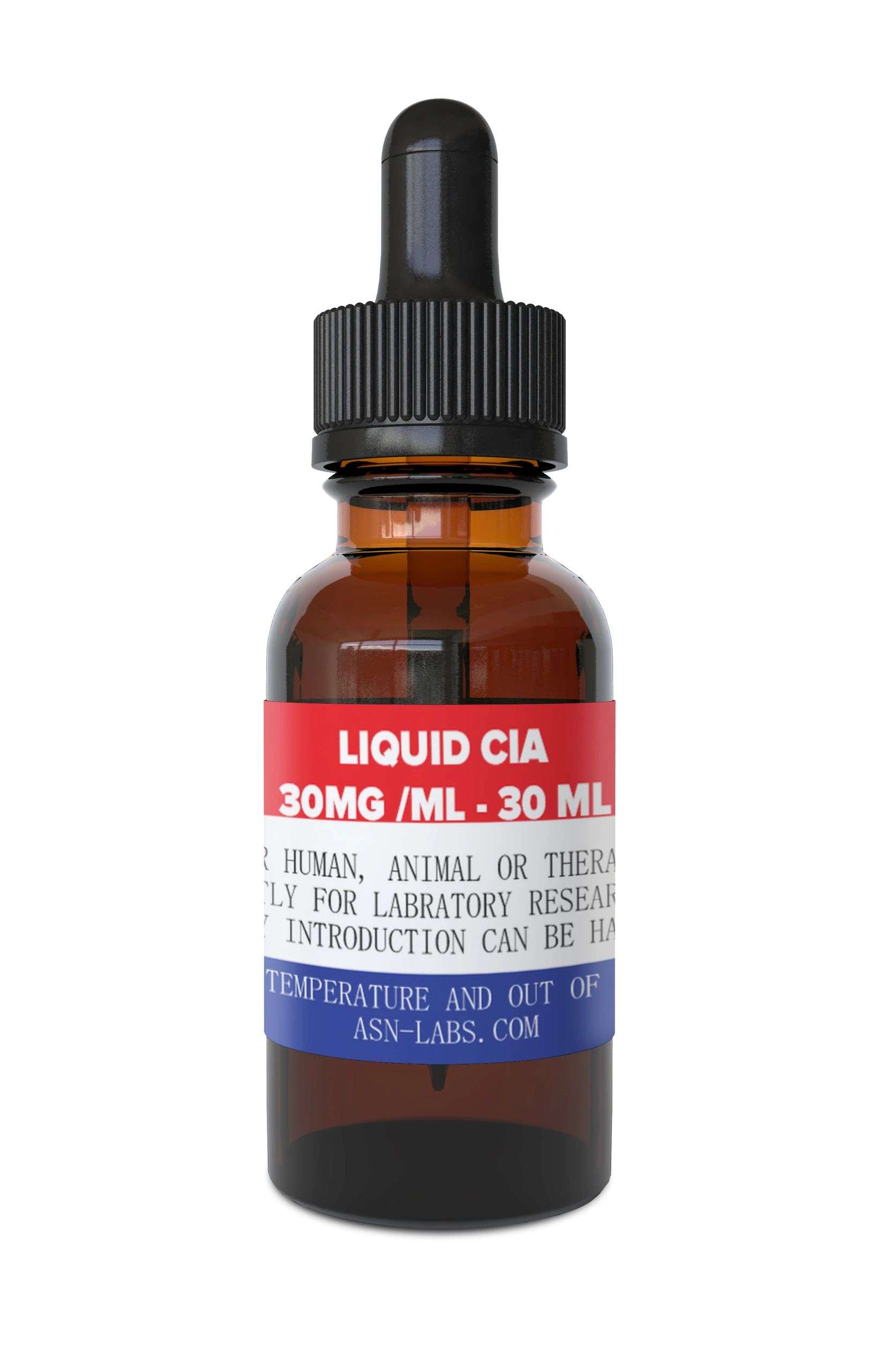
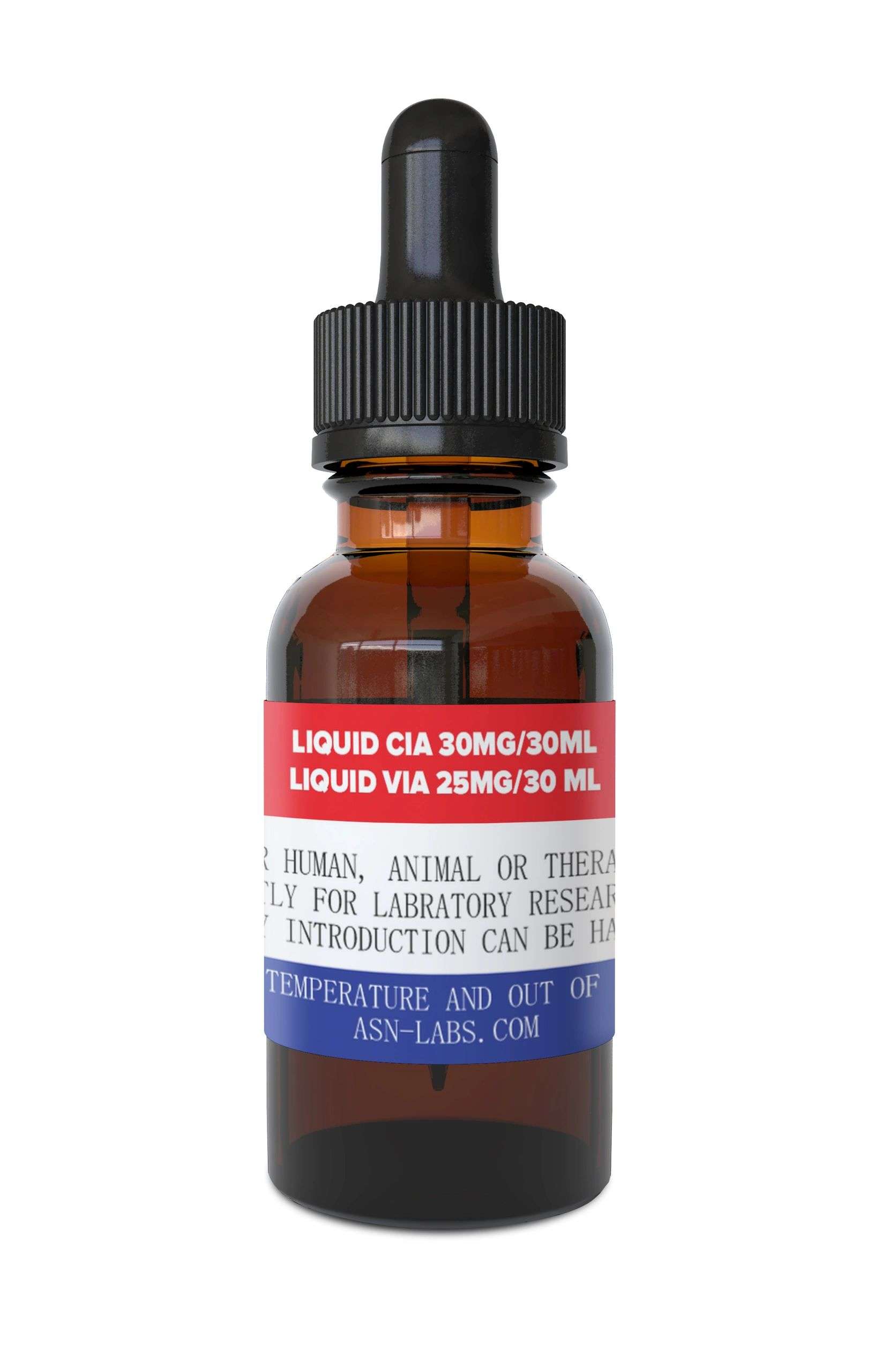
At ASN-LABS, the standard should be straightforward: buyers who value precision should expect transparent testing, consistent batch handling, and research-first product presentation. Those are practical quality controls, not marketing decoration.
A Smarter Compliance Check Before You Buy
Before acquiring any SARM for research, confirm the compound’s current legal status, confirm that the project is non-human and properly authorized, and review the supplier’s testing and labeling practices. Keep purchase records, certificates of analysis, lot details, and any internal approvals with the project file.
If the intended use has anything to do with personal consumption, fitness outcomes, or sports performance, stop there. That is not research use, and it carries a different regulatory and safety profile. A qualified attorney, regulatory professional, or institutional compliance office can provide guidance tailored to the facts of a specific project.
The buyers who make the best decisions are not chasing vague claims of legality. They verify the exact compound, protect the integrity of the research, and source with the same discipline they expect from every result.