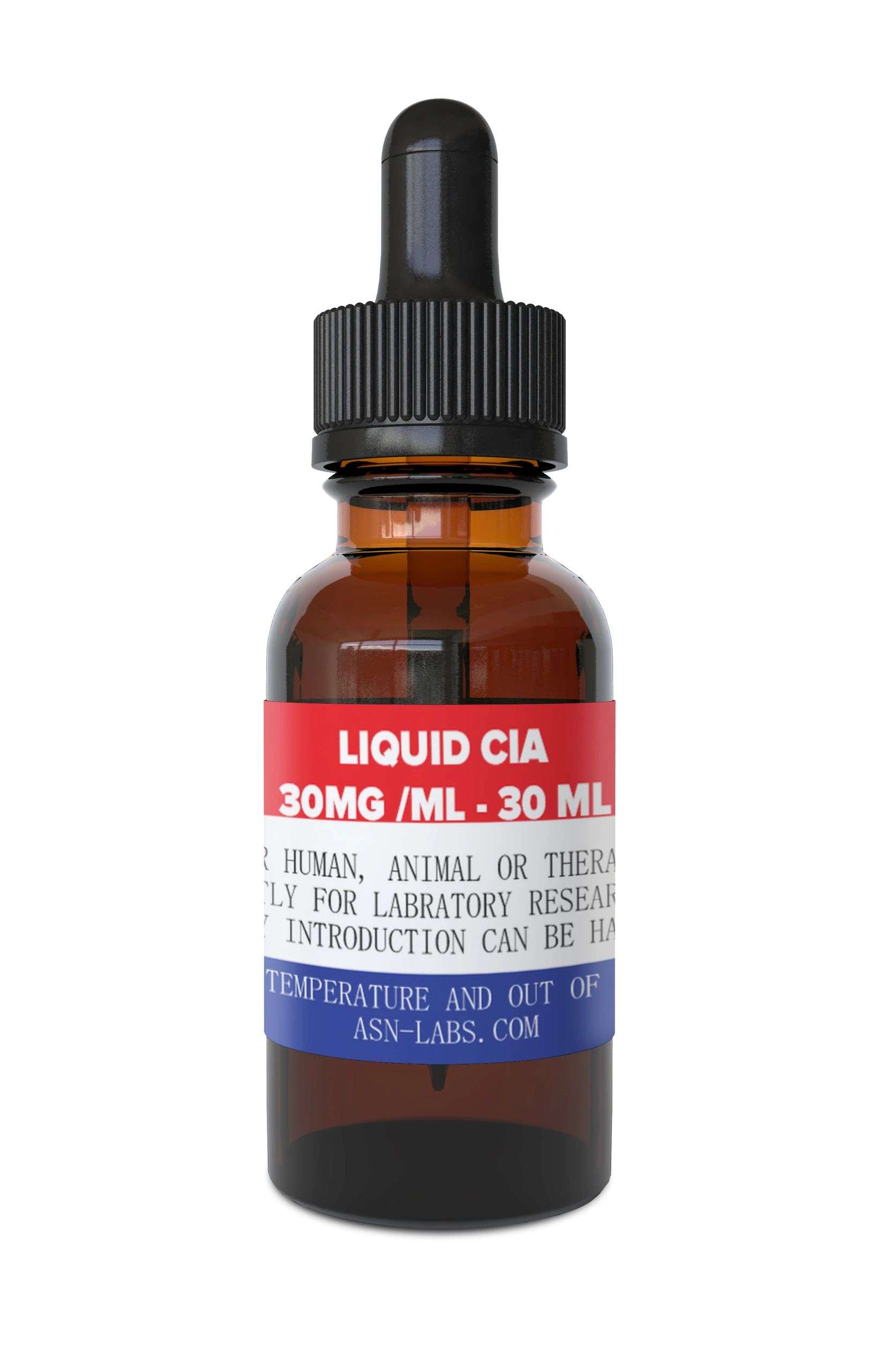
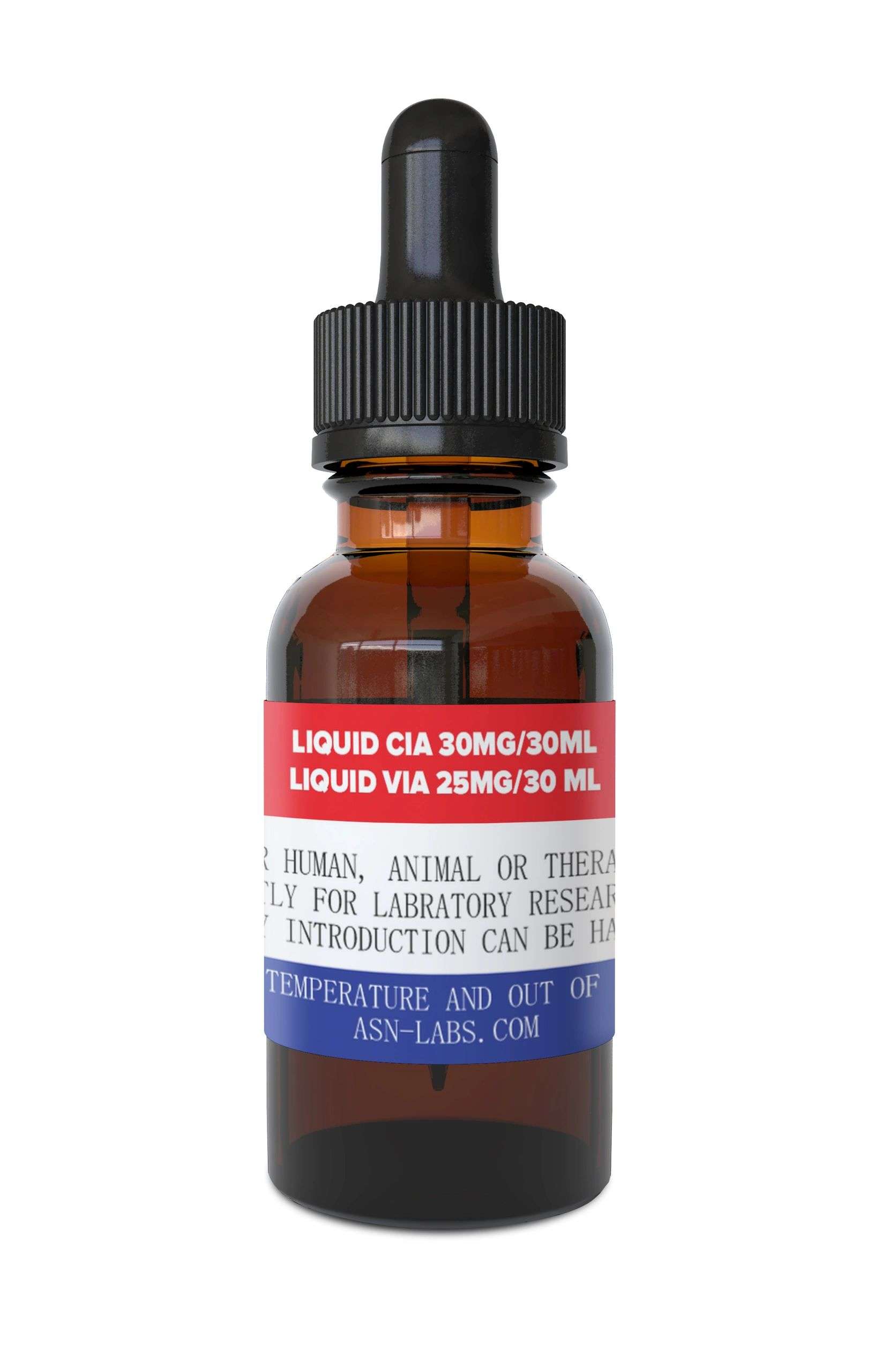
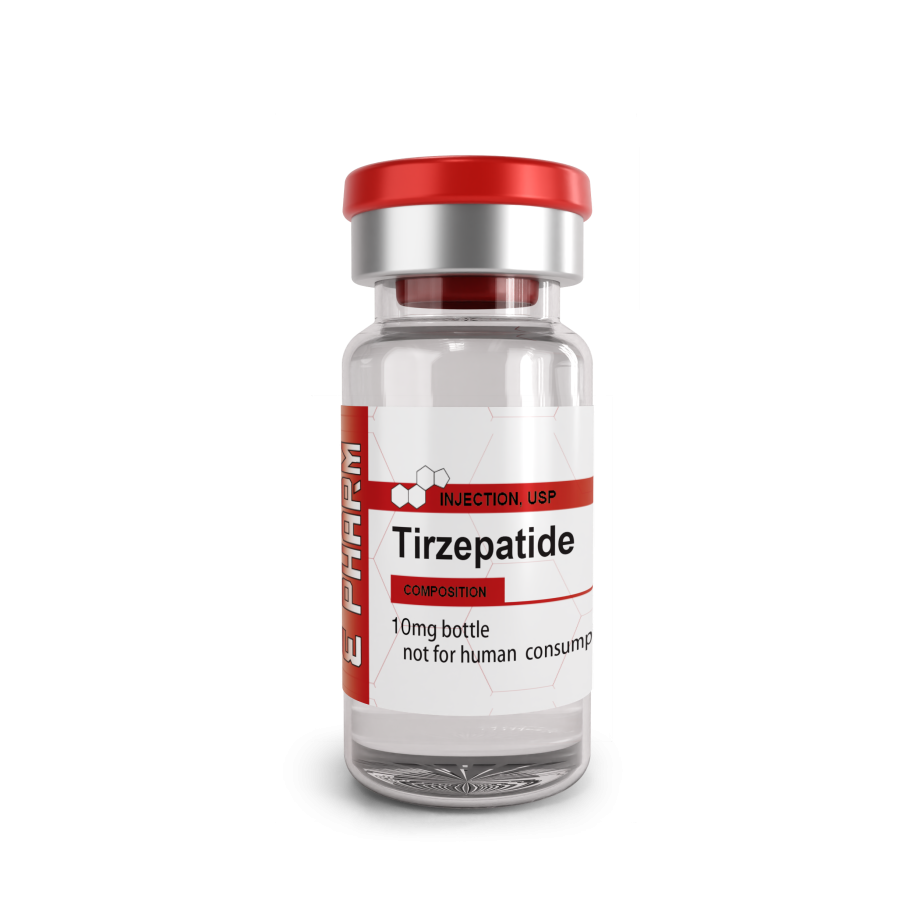
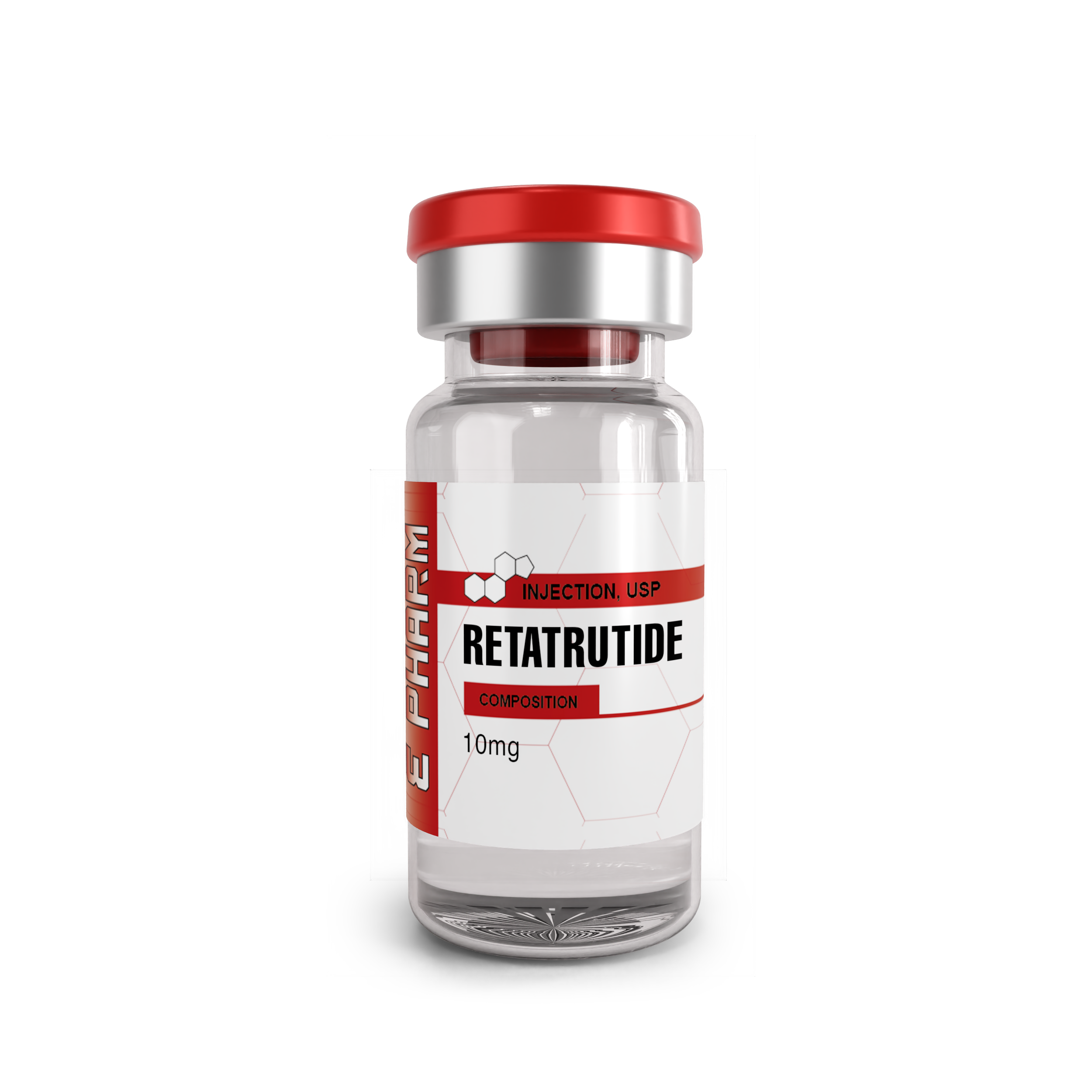
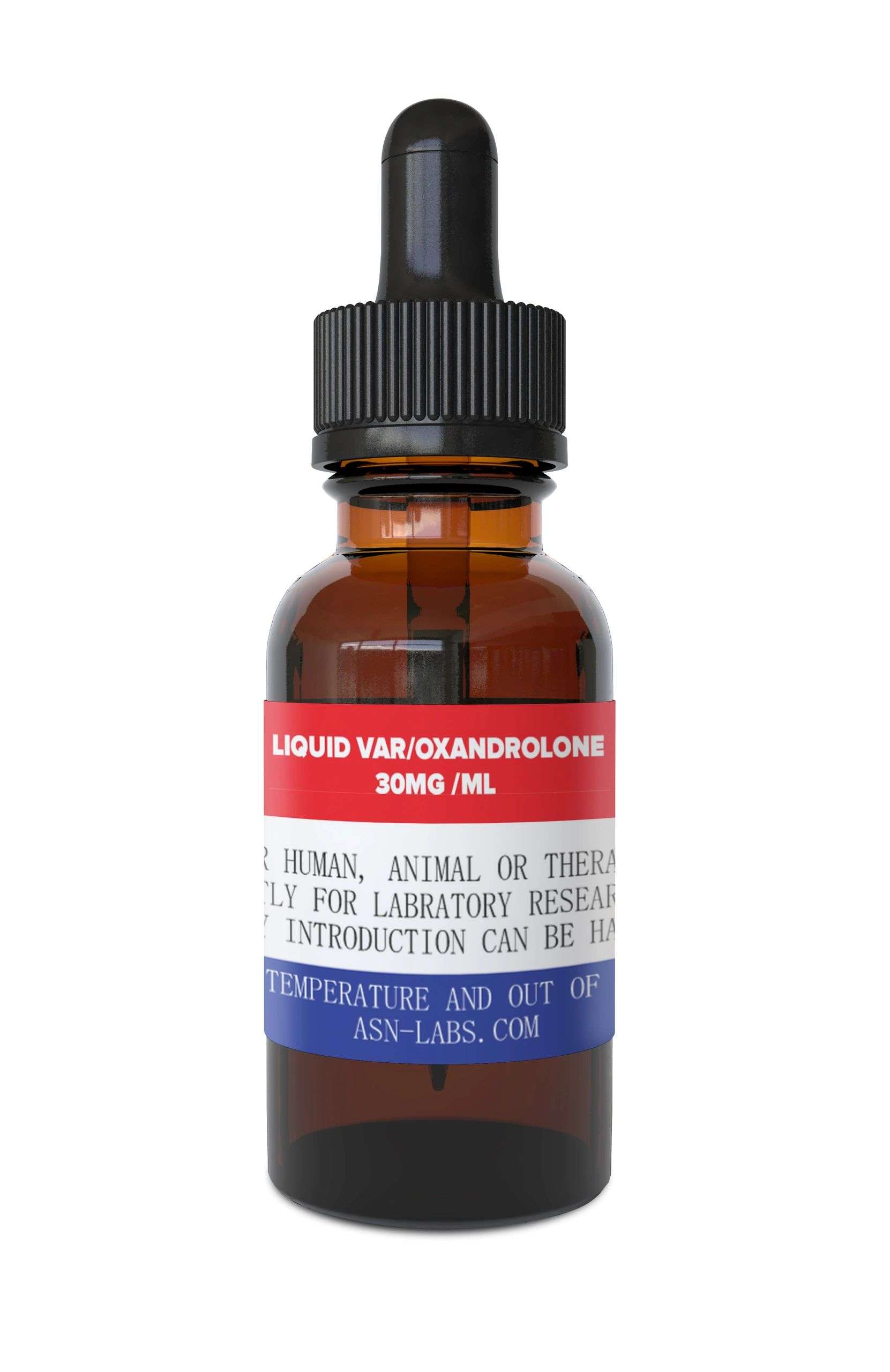
 Orders placed between June 24 and July 5 may experience slight processing delays due to inventory reconciliation and warehouse maintenance.



A research compound is only as dependable as the evidence behind it. Lab tested research compounds give serious buyers a stronger starting point: documented identity, measurable purity, and greater confidence that the material in the container matches the material on the label. When sourcing categories such as SARMs, peptides, nootropics, or metabolic research compounds, that standard is not a bonus. It is the baseline.
The market has no shortage of aggressive claims. What separates a trusted supplier from a flashy label is the ability to substantiate those claims with disciplined quality controls. For performance-minded buyers and research-focused customers, the goal is simple: source material built for consistency, backed by testing, and handled with professional precision.
What Lab Tested Research Compounds Actually Mean
“Lab tested” should mean more than a line on a product page. At its strongest, it describes a quality process that evaluates a compound against defined specifications before it is released for sale. The most relevant testing verifies what the compound is, assesses how pure it is, and helps identify whether unexpected materials may be present.
Identity testing answers the foundational question: is the stated compound actually present? Purity testing then measures the proportion of the desired material relative to other detectable components. Depending on the compound type and the testing method, analytical review may also provide information about impurities, residual solvents, moisture, microbial burden, or other factors that can affect material quality.
The exact panel should fit the compound. A peptide requires a different analytical approach than a capsule-based nootropic or a powdered SARM. That is why buyers should be skeptical of one-size-fits-all quality language. Credible standards are specific enough to match the product, yet clear enough for a customer to understand what was evaluated.
Why Testing Matters to Serious Research Buyers
Consistency is the difference between organized research and guesswork. If a compound’s identity or purity varies from one order to the next, any observations tied to that material become harder to interpret. A lower price does not offset an unreliable input when the source itself introduces uncertainty.
For buyers comparing suppliers, testing also provides a practical filter. Packaging design, bold product names, and oversized promises are easy to produce. Documentation and disciplined batch controls require an actual investment in quality. A supplier that treats testing as part of its operating standard signals that precision matters before the order ever leaves the facility.
This is particularly relevant in categories that attract high demand and uneven sourcing. SARMs, peptide materials, nootropics, and advanced performance-oriented compounds are often marketed with more confidence than proof. Buyers who prioritize verified quality are better positioned to avoid mislabeled, diluted, degraded, or inconsistently handled products.
Purity Is Not the Only Quality Metric
A high purity percentage is valuable, but it does not tell the entire story. A number without context can create false confidence. Buyers should consider whether the sample was associated with the correct lot, whether the test date is current, what analytical method was used, and whether the report clearly identifies the product tested.
Material handling matters as well. Compounds can be affected by heat, humidity, light exposure, packaging quality, and storage practices. A strong analytical result at one point in time does not excuse careless fulfillment afterward. Professional sourcing connects testing, packaging, inventory control, and shipping into one quality-minded process.
What to Look for in a Certificate of Analysis
A certificate of analysis, commonly called a COA, should help connect a product claim to a defined batch of material. It should not be treated as decorative marketing. While report formats vary, a useful COA typically identifies the compound, includes a batch or lot reference, shows relevant test results, and indicates the laboratory or testing source.
The best reports are easy to match to the product being sold. If a supplier presents a generic document with no clear lot linkage, no dates, or no meaningful analytical data, it offers limited value. Likewise, a report that only repeats a purity claim without identifying the material or method leaves critical questions unanswered.
Ask whether the documentation is current and applicable to the exact product format. A raw material report may not fully represent a finished capsule, solution, or blended product. This does not automatically mean the supplier is unreliable, but it does mean buyers should understand what the report covers before assigning it too much weight.
Third-Party Testing Adds Accountability
Independent testing can strengthen confidence because it introduces an outside analytical checkpoint. A supplier may maintain internal quality procedures, but third-party verification helps demonstrate that claims are not solely self-reported.
That said, “third-party tested” is only meaningful when the documentation is traceable and relevant. The strongest quality programs pair outside analysis with documented specifications, controlled manufacturing practices, careful lot management, and transparent product information. No single phrase replaces a complete system.
Manufacturing and Fulfillment Are Part of the Standard
Quality is not created by testing alone. It starts with sourcing and manufacturing discipline, then continues through packaging and fulfillment. For U.S. buyers, USA-manufactured products can offer practical advantages when a supplier has greater oversight of production, inventory, and nationwide delivery. Faster fulfillment is valuable, but speed should never come at the expense of proper handling.
GMP-oriented processes are another meaningful signal when they reflect real operational discipline. The core idea is repeatability: defined procedures, controlled production environments, documented batches, and standards designed to reduce avoidable variation. Buyers should distinguish between vague quality language and a supplier that clearly centers consistency in its process.
At ASN-LABS, that performance standard is built around professionally sourced, lab-tested research compounds, transparent quality positioning, and dependable U.S. fulfillment. The focus is direct: provide research-use materials for customers who refuse to make quality an afterthought.
How to Evaluate a Supplier Before You Buy
Start by looking past the headline claim. Does the supplier clearly describe the product, its intended research-use status, and the relevant quality information? Are purity and testing statements specific, or are they repeated without evidence? A professional supplier does not need to rely on mystery, pressure tactics, or exaggerated promises.
Next, consider consistency across the buying experience. Product pages, labeling, documentation, packaging, and customer communication should tell the same story. If a company promotes premium quality but cannot provide basic product clarity, that mismatch deserves attention.
Finally, match the supplier to the standards your work requires. Some buyers prioritize a particular compound category. Others value domestic inventory, fast shipping, batch traceability, or materials that align with a defined research protocol. The right choice depends on the application, but verified identity and transparent quality controls should remain non-negotiable.
Research-Use Discipline Still Matters
Lab tested research compounds are sold for research purposes only and are not approved for human consumption, diagnosis, treatment, or prevention of disease. Testing documentation supports material quality claims. It does not transform a research compound into an approved drug, establish safety for personal use, or replace legal and scientific due diligence.
Serious buyers understand this distinction. They maintain appropriate handling practices, review product documentation, follow applicable laws and institutional requirements, and keep research decisions grounded in the intended use of the material. Precision begins with the compound, but it also depends on the discipline of the person sourcing and handling it.
When quality is the priority, do not settle for a label alone. Choose research materials supported by traceable testing, clear specifications, and a supplier that treats every batch like its reputation depends on it.