 Orders placed between June 24 and July 5 may experience slight processing delays due to inventory reconciliation and warehouse maintenance.



A low price is not proof of a smart source. When deciding where to buy research compounds, the real standard is whether a supplier can support every claim with documentation, consistent manufacturing, and a professional research-use purchasing process. For serious buyers, sourcing is part of the work. A compound without a credible quality trail can compromise data, waste time, and create avoidable uncertainty.
The market is crowded with aggressive claims, inconsistent labeling, and sellers that disappear as quickly as they appear. The difference between a dependable source and a risky one is rarely the flashiest product page. It is the discipline behind the product: testing, lot control, storage practices, fulfillment, and clear compliance language.
Where to Buy Research Compounds: Start With Verification
Research compounds should be purchased from suppliers that treat quality as a system, not a marketing line. Look beyond a label that says “high purity” and ask what validates that statement. A professional supplier should be able to identify products clearly, maintain consistent specifications, and make relevant quality information available for review.
Third-party analytical testing is one of the strongest signals to look for. A certificate of analysis, often called a COA, should correspond to the compound and ideally to the specific lot or batch being sold. While a COA does not eliminate every risk, it is far more meaningful than an unsupported purity claim. It shows that the supplier recognizes verification as part of the transaction.
The best sourcing decisions also account for the limits of documentation. A report with no identifying information, no date, no laboratory details, or no connection to the listed product should raise questions. Buyers should expect transparency, not vague assurances.
What a credible quality record looks like
Documentation should make it easier to evaluate the material, not harder. Relevant records may identify the compound, lot number, assay or purity result, testing methodology, and date of analysis. Packaging and product labeling should align with the information supplied online.
Consistency matters just as much as a single test result. A supplier with established manufacturing controls, stable product presentation, and repeatable batch practices is better positioned to deliver reliable materials over time. For ongoing research, that continuity can matter more than saving a few dollars on one order.
Evaluate the Supplier, Not Just the Compound
A product name alone tells you very little about how it was made, handled, or shipped. Before purchasing SARMs, peptides, nootropics, metabolic research materials, or performance-oriented compounds, evaluate the company behind the listing.
A trusted U.S. supplier should provide a professional storefront, clear business practices, responsive customer support, and direct information about its research-use policy. The site should not blur the line between laboratory research and human consumption. Compounds offered for research use are not approved drugs, supplements, or products intended to diagnose, treat, cure, or prevent disease.
That distinction is not fine print. It is a sign that the supplier understands the category and operates with appropriate boundaries. Be cautious when a seller makes exaggerated therapeutic promises, presents research materials as lifestyle products, or uses language designed to bypass compliance expectations.
Manufacturing location is another practical factor. U.S.-based manufacturing and domestic fulfillment can support faster shipping, simpler communication, and greater operational visibility. It does not replace testing, but it can strengthen the overall sourcing profile when paired with documented quality standards.
The Non-Negotiables Before You Place an Order
When comparing sources, use a disciplined filter instead of relying on hype. The following factors separate a professional research compound supplier from a questionable marketplace listing:
- Independent testing and accessible COAs: Look for meaningful analytical documentation rather than generic claims of purity.
- Clear identity and labeling: Product names, concentrations, formats, and lot details should be presented consistently across the site, documentation, and packaging.
- Manufacturing and handling standards: Suppliers should communicate their quality approach, including GMP-oriented processes where applicable, controlled production, and appropriate storage.
- Research-use compliance: Responsible sellers state that products are for laboratory research only and are not for human or veterinary use.
- Reliable domestic fulfillment: Accurate inventory, secure packaging, tracking, and timely shipping reduce unnecessary interruption to legitimate research workflows.
- Professional support: A supplier should be able to answer product-documentation and order-related questions directly, without evasive responses or pressure tactics.
A source may look polished and still fall short in one or more of these areas. That is why comparison should be based on evidence, not website design, social media activity, or a temporary discount code.
Why the Cheapest Option Often Costs More
Price is a valid consideration, especially for buyers managing recurring research needs or evaluating multiple compounds. But unusually low pricing deserves scrutiny. It may reflect reduced testing, poor storage, diluted material, inconsistent batches, or a seller that is not investing in traceability at all.
The true cost of weak sourcing is not limited to the purchase price. Uncertain material can produce unreliable results, force a project restart, and make comparisons between batches meaningless. For compounds tied to performance, body-composition, cognitive, immune, vitality, or weight-management research, consistency is the baseline. Without it, even a well-designed research plan loses value.
Premium pricing is not automatically proof of premium quality, either. The better question is whether the price is supported by verifiable standards. A supplier that invests in third-party testing, U.S. manufacturing, controlled fulfillment, and transparent product records has a stronger case for its pricing than one that relies on scarcity language and bold claims alone.
Match the Product Format to the Research Need
Research compounds are not interchangeable simply because they sit within the same category. A SARM, peptide, nootropic, or metabolic research compound may differ in format, concentration, stability considerations, and documentation requirements. Buying the right material starts with defining the research objective and the specifications needed to support it.
For example, a buyer evaluating a single compound may prioritize isolated product documentation and batch consistency. A buyer organizing a broader research program may prefer a supplier that maintains a consistent catalog and clearly differentiates standalone materials from bundled research stacks. Bundles can simplify procurement, but they should never replace a careful review of each component.
Storage and shipping conditions also deserve attention. Some materials are more sensitive to temperature, light, or handling than others. A serious supplier should package products appropriately and provide clear information that helps research buyers manage materials responsibly after delivery. If the product format or storage expectations are unclear, pause before purchasing.
Red Flags That Should End the Search
Some warning signs are obvious: no business identity, no support channel, no product details, and no discussion of research-use restrictions. Others are more subtle. Be skeptical of recycled COAs that appear across unrelated products, identical purity numbers with no batch context, labels that omit key information, or pages that make sweeping medical promises.
Pressure is another red flag. A credible supplier does not need to force a decision through countdown clocks, implausible claims, or evasive answers. Urgency may be appropriate for a genuine inventory event, but it should not be the foundation of the brand’s credibility.
The same applies to marketplace-style sourcing. A third-party listing may be convenient, yet it can make chain-of-custody, storage history, and authentic documentation harder to verify. Direct purchasing from an established supplier generally provides a clearer path to product records, order support, and accountability.
Build a Sourcing Standard You Can Repeat
The strongest buyers do not reinvent their process every time they need a new research material. They establish a standard: verify documentation, confirm labeling, assess the supplier’s quality practices, review fulfillment reliability, and maintain records of lots received. This approach creates a cleaner foundation for evaluating materials over time.
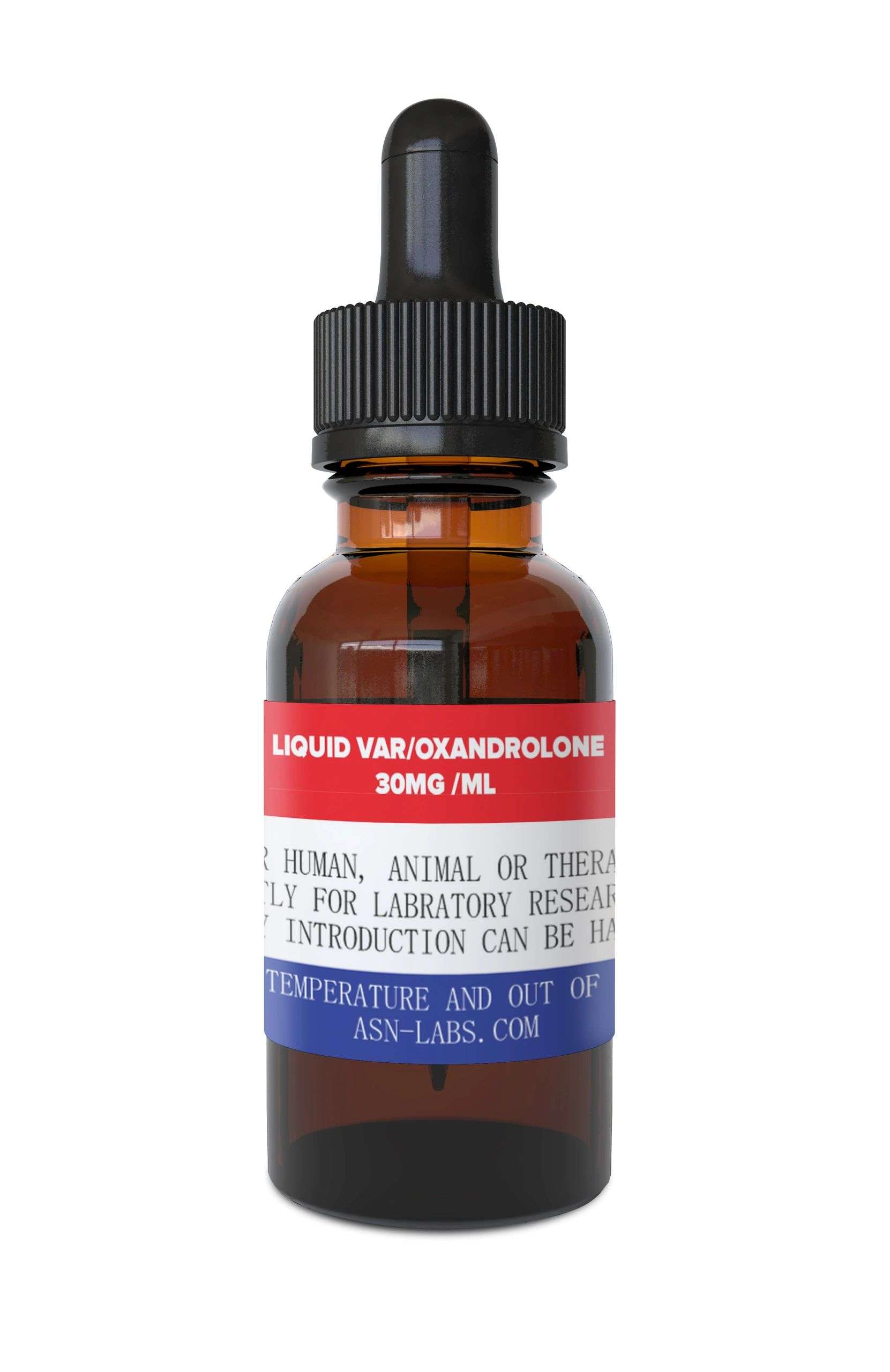
ASN-LABS is built for buyers who expect that level of discipline, with lab-tested, USA-manufactured research compounds, professional fulfillment, and a research-use-only framework designed around clarity and consistency. The goal is not to make bigger promises. It is to provide a more dependable standard for sourcing performance-focused research materials.
Choose the supplier that makes verification straightforward. When the paperwork, product information, quality controls, and fulfillment process all point in the same direction, you can spend less time questioning the source and more time focused on the research.